Accommodation and Experiences in Cape Town and the Western Cape: Planning Your Stay
South Africa’s Western Cape offers a diverse mix of coastal scenery, pine-forested mountains, world-class wines and a calendar of outdoor activities. When planning a stay in Cape Town and its wider surroundings, travellers benefit from choosing a base that matches their interests—whether coastal breezes and sunsets, historic districts, or vineyard escapes. From intimate guesthouses and boutique hotels to self-catering apartments and coastal lodges, the region accommodates a range of budgets and travel styles.
In Cape Town itself, areas such as the city centre and the vibrant Atlantic Seaboard provide easy access to landmarks, restaurants, and nightlife. The City Bowl puts you within walking distance of museums, markets and viewpoints, while Camps Bay and Clifton offer dramatic seascapes and beachside dining. For a quieter, more residential atmosphere, the Constantia Valley wine route or the southern coastline around Muizenberg and Kalk Bay can be appealing, often with larger properties and gardens. Venture further afield to the Cape Winelands—Stellenbosch and Franschhoek are glorious for day trips or weekend escapes, with vineyards, bistros and, in season, colourful fruit markets.
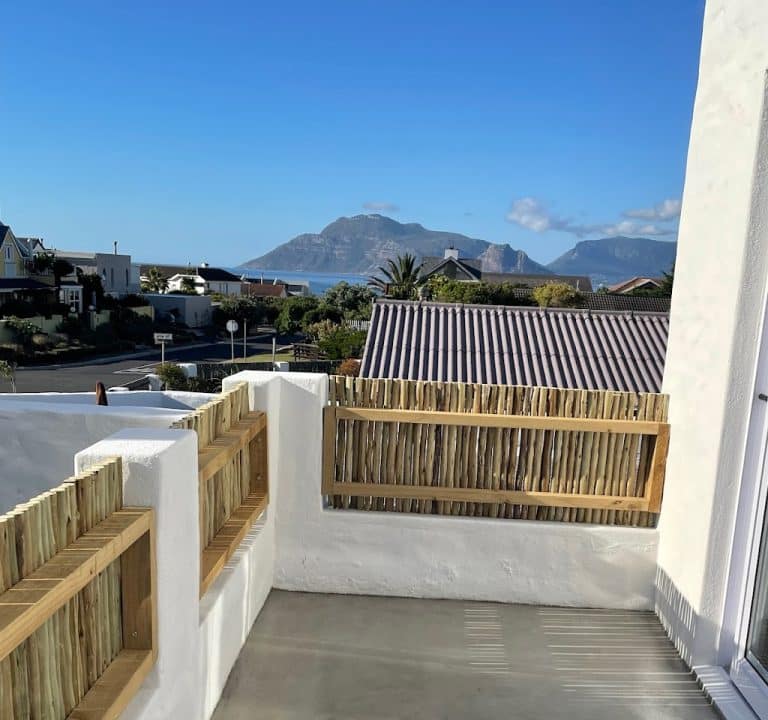
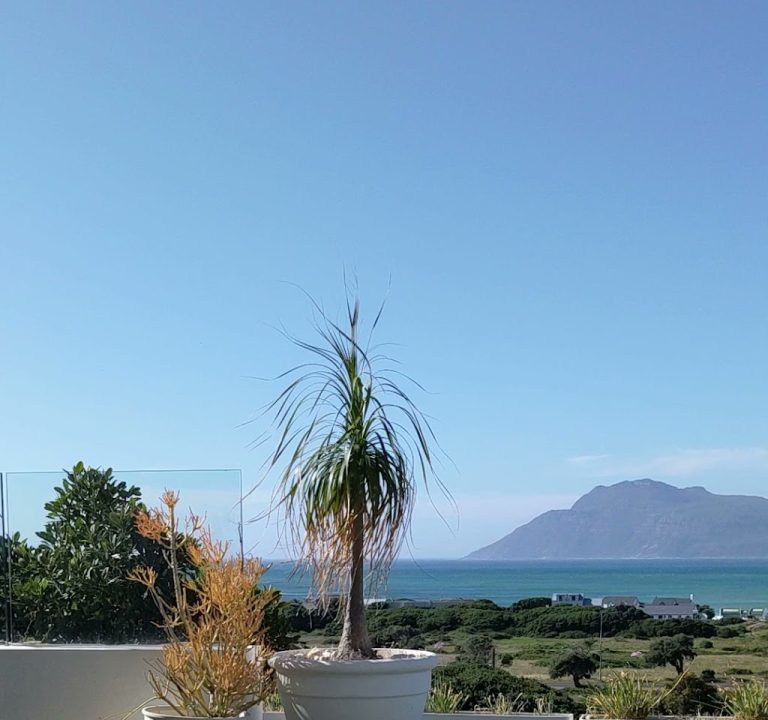
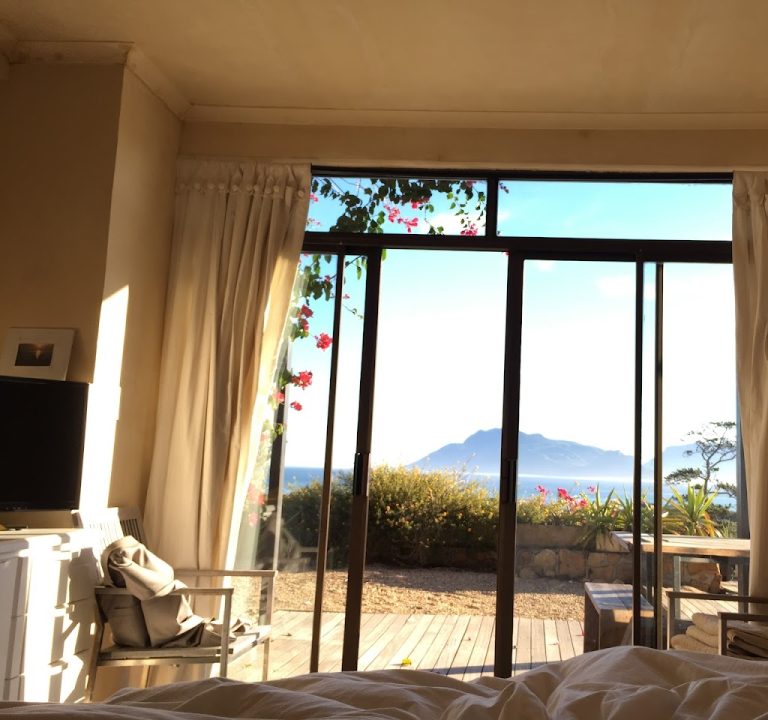
Accommodation styles vary widely. Boutique hotels and stylish guesthouses provide personalised service and a sense of place, while lodges and country inns in the Constantia and neighbouring valley pockets offer extended stays with larger grounds. Self-catering apartments and villas near the coast are popular for families and longer breaks, giving guests flexibility to cook and relax at their own pace. One notable example in a scenic coastal setting is Kommetjie Retreat, which presents a peaceful option within reach of Cape Town’s attractions. Visit the property’s site for more details: Kommetjie Retreat.
Typical amenities to expect vary by style and price, but common features include comfortable beds with quality linens, free Wi‑Fi, parking on-site, and daily housekeeping with some properties offering additional indulgences such as private balconies, outdoor pools, or garden spaces. Guest-focused facilities may also include fully equipped kitchens, laundry services, and flexible check-in options. When booking, consider whether you prefer a property with in-house dining, on-site spa services, or easy access to public transport and car hire.
Transport in and around Cape Town is straightforward but planning ahead saves time. If you plan to see the wine region or the Cape Peninsula, renting a car offers the greatest flexibility. For urban explorations, the MyCiTi bus network and a growing number of ride-sharing services provide convenient options. If you stay in City Bowl or the Atlantic Seaboard, many attractions are within a short drive or a pleasant walk, while further afield, road trips to the Cape Point, Hout Bay, or the wider Winelands are best done with a vehicle.
Best time to visit Cape Town varies by activity. Spring and autumn (around September to November and March to May) offer mild weather, fewer crowds and excellent conditions for hiking and vineyard visits. Winter, with its cooler, wetter days, can still be pleasant for scenery and gastronomy, while summer (December to February) brings longer days, busy beaches and peak outdoor calendars. If you plan to follow wildflowers or whale-watching, check seasonal calendars in advance and consider booking accommodation early during peak periods.
Creating a practical itinerary also means balancing ourdoor adventures with food and culture. In addition to iconic natural landmarks, you’ll find markets and harbour-side eateries that showcase local produce and flavours. When selecting places to stay, read reviews for transparency on cleanliness, service, and proximity to attractions. Ask about guest services such as guided tours, airport transfers, or restaurant recommendations, which can help you make the most of a short stay or a relaxed break.
Here are some planning tips to keep in mind:
- Decide on a base that aligns with your interests—City Bowl for culture and access, the Atlantic Seaboard for beaches and sunsets, Constantia for wine, or Kommetjie and the southern coast for quieter escapes.
- Check whether breakfast is offered and if there are self-catering options for flexibility with morning routines.
- Consider transport needs: a car offers maximum flexibility, while central stays can minimise driving and maximise walking and ridesharing.
- Look for properties with easy access to public transport and clear directions for scenic routes and famous viewpoints.
- Balance comfort and experiences: a well-equipped kitchen, comfortable living spaces, and a knowledgeable host who can suggest local markets, hiking trails, and scenic drives can enhance your trip.
Beyond the bed, Cape Town and the Western Cape offer an abundance of experiences. Natural wonders such as flat-topped mountains, dramatic coastlines, and nature reserves sit alongside world-class dining scenes and markets that celebrate regional flavours. On the water, you might encounter penguin colonies along the False Bay coast, while on land, you can trace historical routes and enjoy contemporary art and craft markets. For dining, expect menus that blend coastal seafood with fresh produce and South African flavours, presented in settings ranging from casual cafés to elegant bistros.
Whether you are seeking a city-based getaway with easy access to museums and viewpoints or a longer retreat to the wine lands and coastal towns, Cape Town and the Western Cape offer a durable mix of accommodation and activities. By choosing a property that suits your travel tempo and interests, you can enjoy a balanced stay—lazy mornings with sea breezes, afternoon explorations in the hills, and evenings spent sampling regional flavours at your own pace.