Stellenbosch: Where to stay and how to make the most of the Western Cape
Stellenbosch, a historic town set against the backdrop of vineyards and mountains, offers a welcoming blend of old-world charm and modern comforts. When planning a stay, consider the different neighbourhoods and what each has to offer. The central stretch around the town’s university, museums and historic streets is ideally suited to those who want compact access on foot or by a short taxi ride. The surrounding winelands lie a little further out and are perfect for guests seeking a tranquil retreat with scenic drives and cellar doors along the route. For a peaceful rural atmosphere still within easy reach of town, look to guest houses and lodges set among pine groves or near farm farmland where birdsong and quiet mornings prevail.
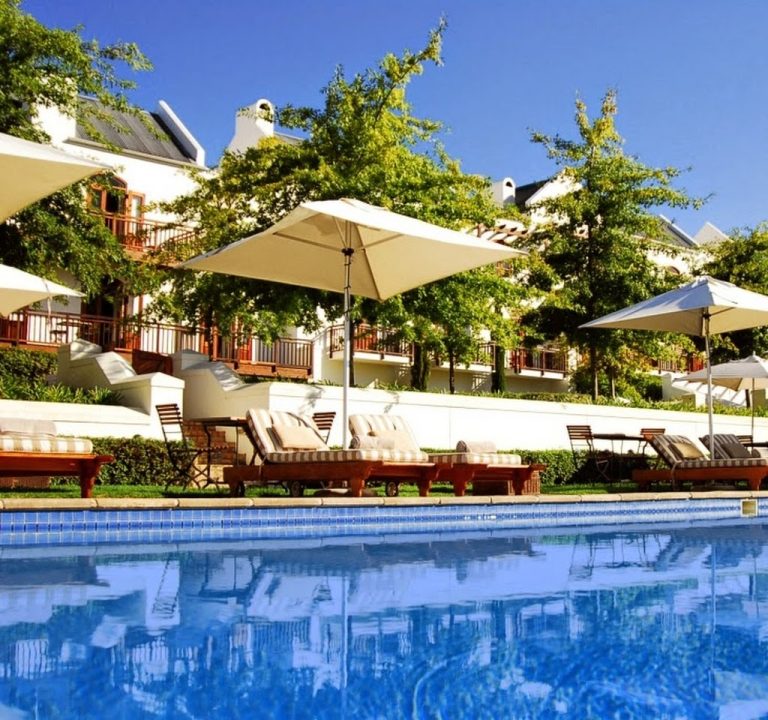
Accommodation options in Stellenbosch range from boutique guest houses to family-friendly lodges and self-catering cottages. When choosing where to stay, think about what you want from your base: proximity to vineyards, a quick walk to eateries and galleries, or a more secluded setting with a garden and pool. Key factors to weigh include room configuration (couple-friendly vs. family-friendly), on-site dining options, parking availability, and the approach of the host or team. Many guest houses offer breakfast rooms or continental spreads, while lodges and larger properties may provide flexible meal plans or self-catering facilities.
Typical amenities to look for include reliable Wi‑Fi, secure parking, air conditioning or ceiling fans, and private en-suite bathrooms. Depending on your itinerary, you may value a pool for sunny afternoons, a well-equipped kitchen or kitchenette, and easy access to outdoor spaces for morning coffee or sunset views. In Stellenbosch, some properties also provide spaces suitable for work travellers, with quiet corners, desks, and charging facilities, should you need to check emails or plan day trips between vineyard visits.
Transport to and around Stellenbosch is straightforward. The town centre is walkable in many areas, and taxis or rideshare services offer a convenient option for late dinners or wine tours. If you plan to visit several vineyards or nature reserves, renting a car is often the most efficient way to organise your days. For those who prefer not to drive, some guest houses arrange guided tours or provide suggestions for day trips with reputable operators. If you intend to explore beyond Stellenbosch, the region’s road network connects well to nearby towns in the Cape Winelands and Cape Town’s city hub.
The best time to visit Stellenbosch depends on your interests. The spring months bring greenery and mild temperatures, which are ideal for outdoor tastings and walking tours. Summer is lively, with longer days, outdoor markets and waterfront-style dining nearby. Autumn harvest seasons are popular with oenophiles, as the vineyards glow with colours and the air smells of ripening grapes. Winters are cooler but still charming, with cosy guest houses and fireside corners. Regardless of the season, advance planning helps, especially for popular weekends and public holidays, when reservations are essential.
When booking, consider a few practical tips to make the most of your stay. First, confirm the check-in and check-out times and whether the accommodation offers flexible hours for late arrivals. Second, clarify what meals are included and whether there are nearby dining options if you prefer to eat out. Third, ask about accessibility features, especially if you have mobility considerations or heavy luggage. Finally, check cancellation policies and whether the property is able to assist with transfers from the airport or train station.
In addition to sleeping arrangements, it helps to plan how you will spend your days. A classic Stellenbosch itinerary might include a morning visit to the town’s historic core, followed by an afternoon tasting at one or more nearby vineyards. Wine country drives can be arranged through the accommodation or by independent operators, with options ranging from leisurely winery strolls to more structured vineyard tours. For a change of pace, explore the town’s art studios, wine‑and‑dine experiences, and culinary markets that showcase local produce. If you enjoy nature, reserve a half‑day for botanical gardens, nature reserves, or a scenic mountain route where there are viewpoints and gentle walks.
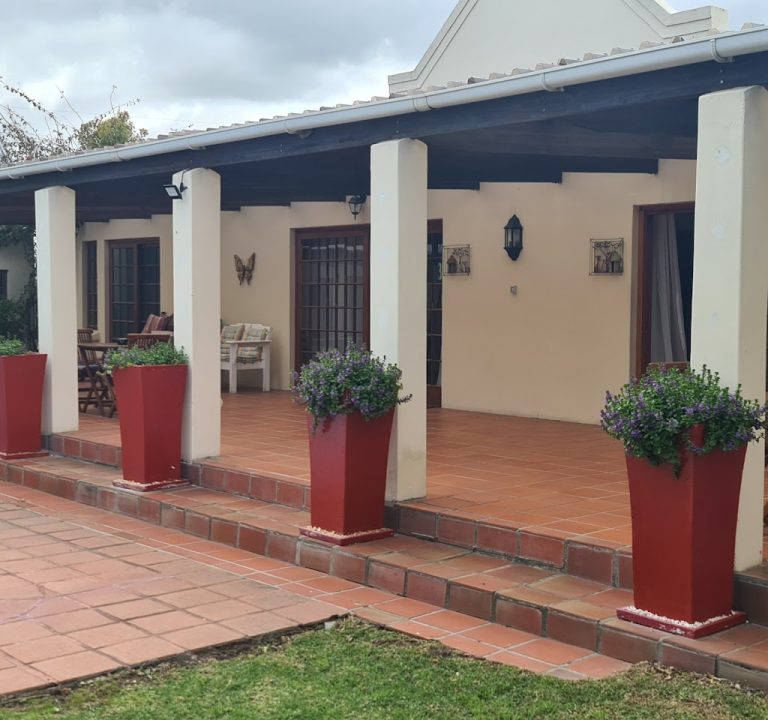
For a stay that pairs comfort with a strong sense of place, consider Kleinbosch Lodge, a guest house located in a tranquil setting within easy reach of Stellenbosch centre and the surrounding wine routes. It combines guest house hospitality with well‑appointed rooms and a serene garden environment, offering a convenient base for exploring the region. More information can be found on the property’s website: Kleinbosch Lodge.
Dining and culinary options in and around Stellenbosch are varied, ranging from intimate bistros to elegant restaurants showcasing local produce and wine pairing. While exact menus and prices can change, visitors generally find that well‑regarded establishments emphasise seasonal ingredients, seafood and meat dishes, and a respectful nod to traditional South African flavours. When planning meals, consider leaving room for a relaxed lunch in a vineyard restaurant or a cosy dinner in the town centre, where craft coffee shops, patisseries and gastropubs offer appealing daytime and evening choices.
- Consider an early start to enjoy the town before the crowds and to reserve tastings at popular vineyards.
- Pack layers for changing weather, especially if you plan long outdoor days in spring or autumn.
- Check transport options in advance if you intend to visit multiple wineries in a single day.