Staying in Stellenbosch: where to base yourself and what to do
Stellenbosch, in the Western Cape, offers a blend of university-town vibrancy, historic charm and a surrounding wine-and-mountain landscape that makes for a practical and gratifying stay. Whether you are after a cosy self-catering retreat, a boutique guesthouse, or a self-contained farm stay, there are options that put you close to vineyards, oak-lined lanes and the town’s culinary and cultural offerings. For travellers seeking a quintessential countryside base with easy access to Cape Town and the coast, Stellenbosch provides a convenient hub with a variety of accommodation styles and neighbourhoods to match different itineraries.
Areas to consider when planning your stay include central Stellenbosch, which keeps you within easy reach of the town’s historic streets, museums and markets, and the surrounding wine routes such as Devon Valley, Blaauwklidder and the Drakenstein valley, where many farms offer guest accommodation, some with self-catering facilities. For those who prefer a more rural feel, hillside or vineyard-edge properties near the Jonkershoek and Simonsberg ranges provide scenic views, hiking access and a sense of space while still being reachable from town. If you are travelling with family or a group, a self-contained unit on a working farm or a larger guesthouse with communal spaces can provide both privacy and social areas for shared meals and downtime.
When it comes to booking, think about what is most important for your stay. If you relish mornings with coffee and a kitchen, a self-catering option with a well-equipped kitchenette, a private entrance and reliable Wi‑Fi can be ideal. If you want a more social atmosphere or breakfast included, consider a guesthouse or boutique hotel with a reception, curated local recommendations and on-site dining. Look for properties with clear access details for travel planning, parking facilities if you’re driving, and descriptions of how the host can assist with winery visits, restaurant reservations or day trips.
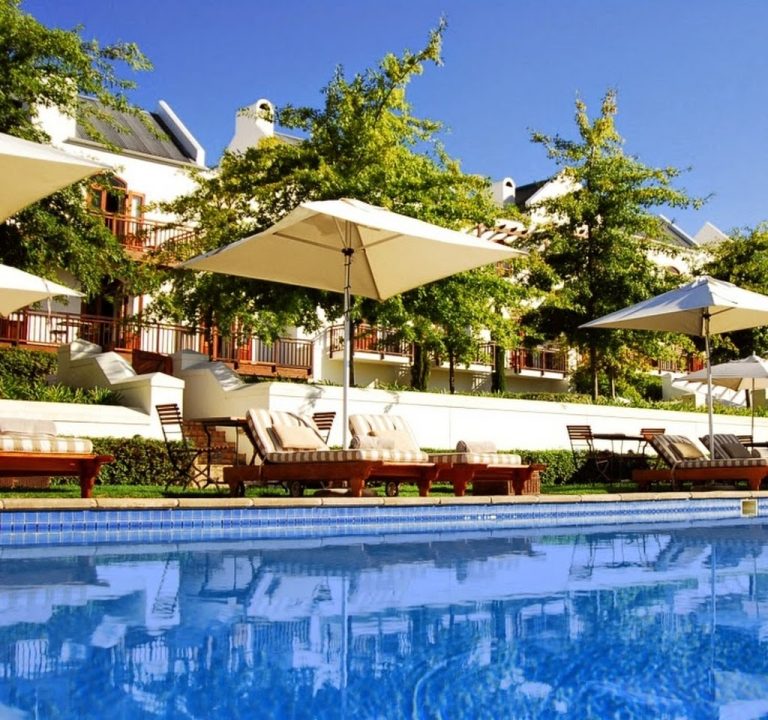
Typical amenities in Stellenbosch accommodation range from private kitchens or kitchenettes, outdoor terraces or verandas, and air conditioning or heating for the mountain climate, to efficient housekeeping and laundry facilities. A number of properties offer secure parking, swimming pools, and garden spaces for guests, alongside modern conveniences like streaming television and coffee-making equipment. If you are visiting during the harvest or peak visitor periods, ask about access to bikes, guided tours, or shuttle arrangements to nearby estates. Families may appreciate child-friendly furnishings and space to spread out, while couples often value quieter rooms, romantic courtyards, and easy walkability to town streets and viewing points.
Transport in and around Stellenbosch is straightforward with a car usually the most convenient option, especially if you plan to explore multiple wine estates or venture into surrounding towns. Roads to vineyards can be rural and winding, so a comfortable vehicle helps. Some accommodation providers may offer airport transfers or local shuttle services, and several estates are accessible by organised tours or private drivers. If you prefer public transport, check proximity to bus routes or rail links and confirm walking distances from your chosen base to the town centre or major attractions.
The best time to visit Stellenbosch for weather, scenery and activity levels is generally spring (August to October) and autumn (March to May). Spring brings blossoming gardens and renewed greenery, while autumn offers comfortable temperatures for vineyard visits and outdoor exploring. Summer is lively with markets and outdoor dining, but it can be busier, and winters are mild with cooler evenings—great for cosy stays and wine-tasting indoors. Always consider harvest schedules if you want to observe the wine-making cycle, but be mindful that peak seasons can shorten the window for vacancies and drive higher demand for popular properties.
Practical tips for a smooth stay:
- Book accommodation with parking if you will travel by car, and confirm access details for late arrivals or gate codes for rural properties.
- Check whether the property offers self-catering facilities or breakfast options, and whether a kitchen, laundry or outdoor grill is included.
- Ask about proximity to centres of interest such as the town, markets or vineyard routes, and whether the host can arrange tastings, reservations or guided tours.
- Consider a mix of day trips and downtime at your base; the area is well suited to scenic drives, gentle hikes, and relaxed dining in winery settings or town restaurants.
- Pack layers for variable weather, a good pair of walking shoes, and a camera to capture vineyard views and Cape Dutch architecture.
Attractions and experiences in and around Stellenbosch are primarily built around the winelands, historic architecture and natural landscapes. Visitors typically enjoy self-guided strolls through the town’s architectural heritage, visits to botanical displays, and time spent exploring nearby farms and their trails. In terms of dining, Stellenbosch offers a range of eateries—from contemporary cafes to refined wine-estate restaurants—where you can sample local produce, seasonal dishes and regionally inspired menus. For a broader experience, day trips to nearby Cape Town, the Atlantic coast, or coastal towns along the winelands route are common choices, with many travellers planning a longer stay to combine vineyard visits with cultural and outdoor pursuits.
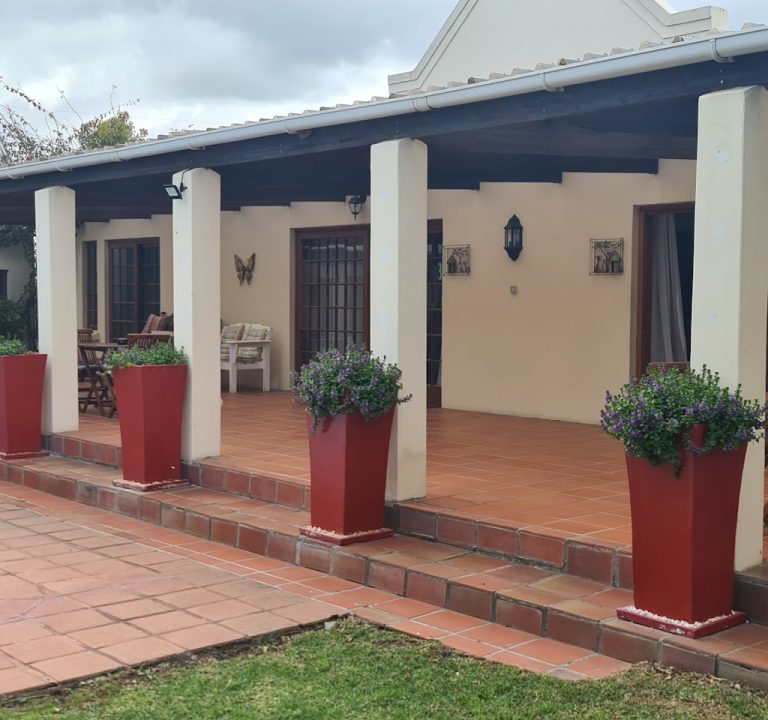
As you refine your plans, consider a representative accommodation such as a self-catering option at a farm like De Oude Schuur Accommodation on Drie Lande Farm, which exemplifies the type of stay many visitors seek in the region. Such stays emphasise independence, access to outdoor space, and immersion in rural surroundings, while remaining within reach of Stellenbosch’s amenities and wine routes. For more information and to compare options, reputable travel sites and the official Stellenbosch tourism pages can provide current listings, guest reviews and practical booking details. A balanced itinerary that includes a couple of wine tastings, a historic stroll, and a relaxed meals-out plan will help you make the most of a stay in this picturesque Western Cape town.