Stellenbosch: Where to stay, what to do and how to plan your visit
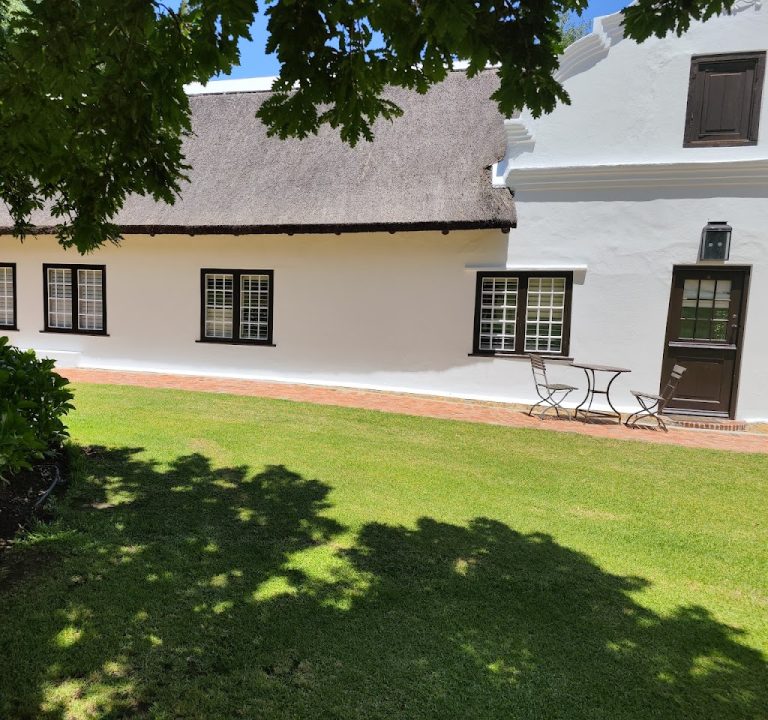
Stellenbosch, in the Western Cape, blends Cape Dutch architecture with modern comfort and a renowned viticultural heritage. When planning a stay, consider the town centre for easy access to eateries and colonial streets, or opt for surrounding vinos towns and wine farms for a quieter countryside ambience. Lodges, guesthouses, boutique hotels and self‑catering escapes sit alongside family‑run guesthouses that offer a warm, personalised welcome. A stay here should balance relaxed winery visits with time to explore historic streets, art galleries and the university’s leafy campus precinct.
Accommodation options and typical amenities
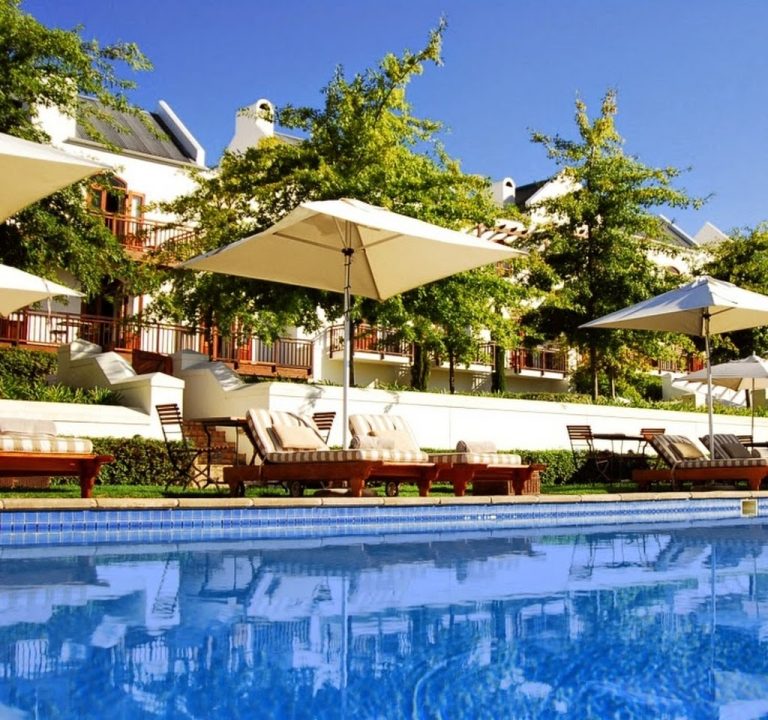
Good lodging in Stellenbosch often emphasises comfort and a sense of place. You’ll find stylish lodges and boutique hotels with country‑house charm, many set on or near wine estates. Common amenities include en suite bathrooms, seasonal pools, terraces or verandas, and on‑site dining rooms or wine pairing options. Guesthouses frequently offer homemade breakfasts, curated local recommendations, and the chance to mingle with other travellers in communal lounges. For families or groups, self‑catering cottages or apartment suites provide flexibility and value, while privacy‑conscious travellers may prefer discreet boutique options with private entrances and dedicated parking.
Areas to consider
The town centre is compact and walkable, ideal for guests who want to stroll to cafés, bookshops and galleries. The Botanic Garden and historic university precinct offer pleasant day excursions without needing a car. For a vineyard‑first experience, stay on one of the nearby wine estates or in properties along the Constantia or Helshoogte corridors, where tranquillity, wide views and easy vineyard access are the highlights. If you prefer a resort atmosphere with a focus on leisure facilities, choose lodges on larger estates that combine accommodation with pools, spa treatments and fine dining.
Transport and getting around
Stellenbosch is easy to navigate by car, with picturesque routes between the town and surrounding vineyards. Public transport options are available but less frequent than you might expect, so many visitors rent a car or join guided wine tours. If you stay near the town centre, you can comfortably walk to restaurants and basic amenities. For day trips to nearby activity hubs or coastal towns, a car partner offers flexibility to schedule visits between tastings and scenic viewpoints.
Best time to visit and seasonal tips
Spring and autumn (September to November, March to May) offer mild weather for vineyard visits and outdoor activities, with fewer crowded peak‑season days. Summer (December to February) brings long days and vibrant agricultural landscapes, but can be busier with tourists and accommodation prices rising around peak school holidays. Winter (June to August) is cooler and greener in the mountains, with crisp mornings—great for enjoying warm meals and cosy lodges by the fire after a day of exploring. Pack layers, a sunglasses case, and comfortable walking shoes suitable for cobbled streets and vineyard paths.
Planning your stay: what to look for when booking
When booking, prioritise location in relation to your aims—close proximity to the town centre for nightlife and casual dining, or near a wine estate for immersive tastings. Consider the property type that suits your style: a small guesthouse with personal hosts can offer insightful local tips, while a lodge on a vineyard estate may provide on‑site dining and a spa. Check for parking access if you’ll drive, and confirm whether the rate includes breakfast or access to communal facilities such as pools or lounges. Look for reviews that mention cleanliness, responsiveness, and the helpfulness of staff, and confirm cancellation terms that suit your travel plans. If you have mobility needs, ensure the property has appropriate access and facilities described in the listing.
- Budget and value: compare daily rates, breakfast inclusion, and whether taxes are included in the price.
- Amenities that matter: private parking, well‑equipped kitchens, laundry facilities, and slow‑paced itineraries on site.
- Transport needs: proximity to main roads, availability of transfers or guided tours, and walkability to key sites.
- On‑site experiences: whether the property arranges tastings, cellar tours, or culinary experiences, and if sister wineries offer guest privileges.
Attractions and experiences in general terms
Within Stellenbosch you can expect scenic vineyard landscapes, historic architecture, and markets showcasing local crafts. Wine estates commonly offer tastings, hillside views, and seasonal culinary experiences. The town itself hosts galleries, museums and a variety of cafés and eateries that celebrate local ingredients. Beyond the city, the wider Winelands region invites day trips to additional wine estates, scenic drives through rolling valleys, and opportunities for hiking in nearby hills. Food lovers may enjoy farm‑to‑table lunches and casual bistro meals that focus on seasonal produce and regional flavours.
Practical tips for travellers
Book in advance during peak seasons to secure preferred rooms and dates, and consider mid‑week stays for quieter experiences and potentially better value. Bring a light jacket for cooler evenings and a hat for midday sun. Have a flexible plan to accommodate tasting slots and estate closures, and always reserve winery visits where possible to avoid disappointment. Check locally about public holidays which may affect hours of operation. If you plan to visit a specific lodge, you can explore examples such as De Zalze Lodge, which offers a tranquil lodge setting with access to vineyard views and on‑site facilities; more information can be found on the property’s website: http://dezalzelodge.co.za/. Finally, respect the environment and local communities by choosing properties that prioritise sustainable practices and supporting local producers where you dine and shop.