Stellenbosch: accommodation, attractions and planning your stay in the Western Cape
Stellenbosch is renowned for its historic town centre, rolling vineyards and easy access to the winelands. When planning a stay, travellers can choose from a spectrum of accommodation styles, from intimate guest houses and boutique hotels to self‑catering cottages and contemporary lodges. The town’s compact layout makes it convenient to explore on foot, while nearby estates and mountain scenery offer tranquil day trips. A well‑planned stay balances leisurely mornings with engaging tastings and cultural discoveries.
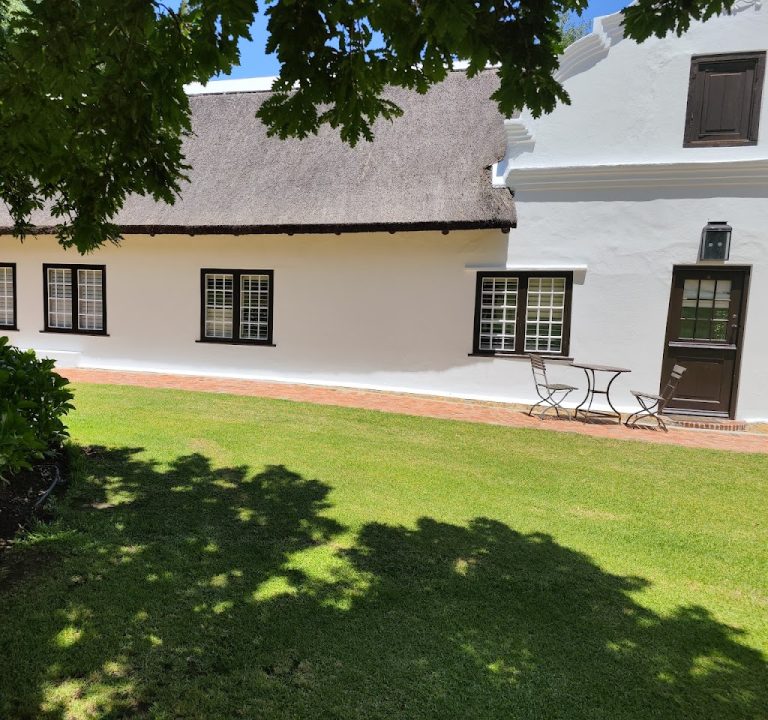
Areas to consider when booking your stay include the centre around the historic Dorp Street and Plein, where many guest houses and small hotels cluster amid Cape Dutch façades. This area is ideal if you enjoy strolls to coffee shops, bookshops and bakeries, with convenient access to the town’s museums and universities. For a more vineyard‑focused experience, look toward the Helderberg and Devon Valley routes, where boutique stays may be paired with on‑site wine tastings or arranging visits to nearby estates. If you prefer a peaceful rural setting, consider countryside lodges or guest houses in the Fonteintjiesberg, Somerset West or Jonkershoek areas, offering easy access to nature walks and panoramic mountain views while still being within a short drive of town amenities.
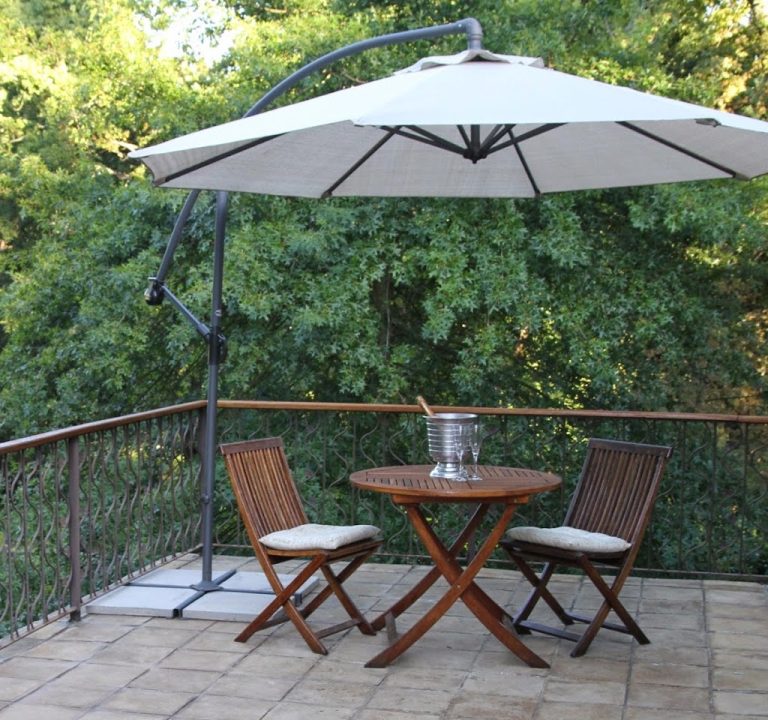
Typical amenities to look for when booking include en suite rooms, private entrances or courtyards, secure parking or easy on‑street parking, and reliable wi‑fi. Many properties offer breakfast, with options ranging from hearty, progenitor‑style breakfasts to lighter continental selections. If privacy or a longer stay is on the menu, self‑catering units or suites with kitchen facilities can be a practical choice. For visitors chasing wine estate experiences, some guest houses and lodges partner with nearby estates to organise guided tastings, cellar tours or picnics on the lawns. Seasonal outdoor spaces such as pools, shaded verandas or garden seating can make a stay more relaxed, especially during warmer months.
Transport arrangements are worth planning in advance. Stellenbosch is a manageable town to navigate by car, which is convenient for winery visits and day trips to nearby towns such as Franschhoek or Paarl. If you’re arriving from Cape Town, consider whether you will rent a vehicle or rely on private transfers and taxis. Some properties are well connected to local taxi services or offer shuttle arrangements, while others are more secluded, ideal for a quiet, countryside stay but requiring a car for daily explorations. The town centre is walkable, with a selection of cafés and eateries nearby, making it easy to enjoy an evening stroll after dinner at a local wine‑estate restaurant or bistro.
Best time to visit Stellenbosch generally aligns with the South African seasons. Spring (August to October) brings mild temperatures and blooming scenery, a lovely backdrop for garden and vineyard visits. Autumn (March to May) offers harvest season energy and pleasant daytime temperatures, which can be ideal for winery tours. Summer (December to February) is lively and sunny, perfect for outdoor activities and wine tastings, but it can be busier and more expensive. Winter (June to August) tends to be cooler and quieter, with occasional rain, yet many estates remain welcoming for cosy cellar tours and heated lounges in the evenings.
When choosing accommodation, consider practical tips to ensure a smooth stay. Check cancellation policies and whether there are flexible booking terms, especially if travel plans may shift. Verify parking arrangements, whether the property provides breakfast, and if there are options for late arrivals. If you’re travelling with family or colleagues, ask about room configurations and whether suites or interconnecting rooms are available. Noise considerations can matter in older town properties or near busy streets, so request a quiet room if needed. For wine lovers, proximity to estate routes or bike‑friendly itineraries can enhance daily plans, while access to reliable wi‑fi is valuable for researching tastings and reservations on the go.
In terms of experiences, Stellenbosch offers a gentle blend of culture, nature and gastronomy. Historic streets showcase Cape Dutch architecture, framed by a backdrop of mountains. Museums and galleries provide insights into the town’s university heritage and regional art. Day trips into the surrounding winelands offer wine tastings and estate dining in scenic settings, while nature enthusiasts can enjoy walks in nature reserves or up in the surrounding hills. For dining, expect a mix of casual bistros, modern restaurants and established wine estate eateries that emphasise seasonal produce and regional flavours. Visitors who prefer an easy schedule can pace their days with a couple of estate visits, followed by a relaxed dinner in the town centre or at a countryside lodge.
- Book a centrally located guest house or boutique hotel for easy walking access to cafés, shops and museums.
- Reserve a room with parking, a private entrance or a garden view if you value quiet and convenience.
- Consider a mix of town nights and countryside stays to experience both culture and vineyard life.
- Plan wine estate visits in advance, and check for guided tastings or cellar tours that fit your itinerary.
- Pack layers for variable weather and a comfortable pair of walking shoes for exploring historic streets and nature trails.