Staying in Stellenbosch: where to stay, what to expect, and how to make the most of your visit
Stellenbosch, in the Western Cape, is renowned for its university charm, historic Franschhoek-style streets, and surrounding vineyards. When planning a stay, consider the different neighbourhoods and what they offer: central town with easy access to shops and restaurants; the lush, leafy suburbs on the slopes of the surrounding hills; and the more rural, wine-country pockets where guesthouses and self-catering options can feel like a quiet retreat. For travellers seeking a mix of culture, wine, and outdoor activity, Stellenbosch is well suited to short breaks and longer stays alike.
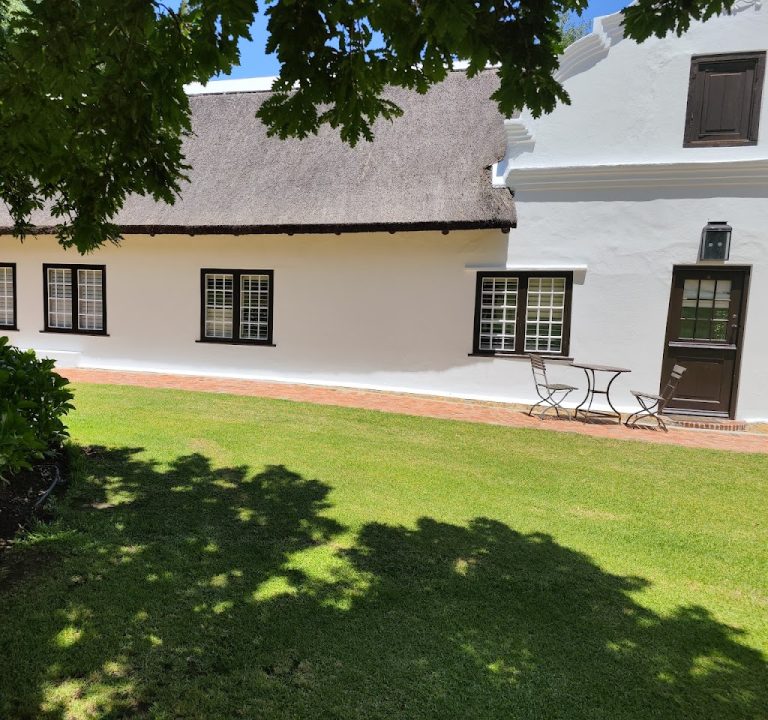
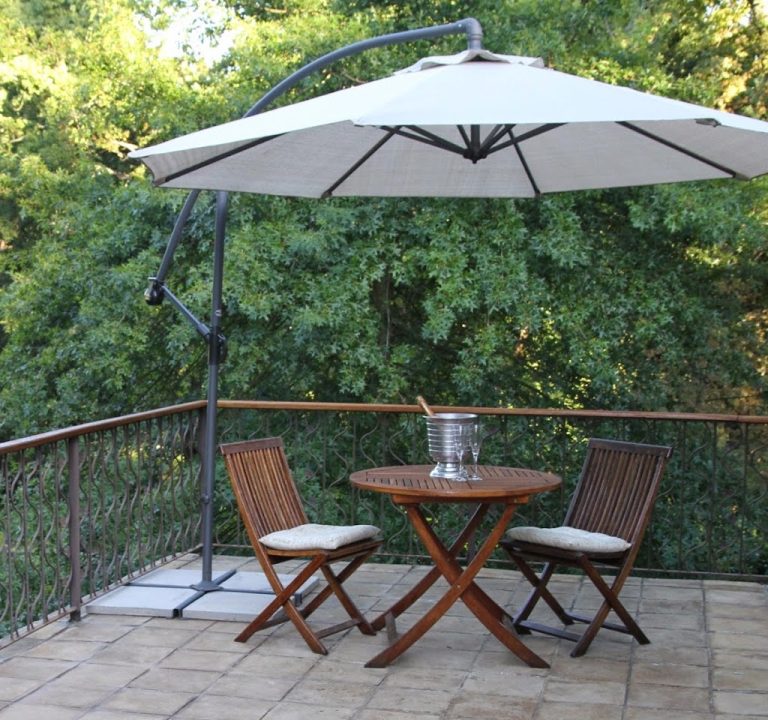
Accommodation in Stellenbosch ranges from boutique guesthouses and self-catering flats to modern hotels and country lodges. Self-catering options, such as the Rest at Chabivin | Rest Collection, can be particularly appealing for visitors who want flexibility to cook, while still enjoying a stylish, well-equipped space. When you choose self-catering, look for a well-equipped kitchen, reliable wi‑fi, ample storage, and easy access to a shaded outdoor area for al fresco meals. For those who prefer a hotel or guesthouse experience, seek properties with generous breakfast provisions, on-site parking, and friendly staff who can recommend local routes and eateries.
What to look for when booking involves a few practical checks. Consider the proximity to Stellenbosch central for strolls to museums, galleries, and markets, or near wine estates if vineyard day trips are your priority. Review parking arrangements, especially if you plan to hire a car—South Africa’s wine routes are best explored by car, and many properties offer on-site parking or secure alternatives. Clarify housekeeping options, whether a daily refresh is included, and what amenities are offered in self-catering units, such as dishware, laundry facilities, and outdoor barbecue areas. Finally, read guest reviews to gauge consistency in comfort, cleanliness, and responsiveness of the host or management team.
Typical amenities you may encounter include comfortable en-suite bedrooms, well-equipped kitchens or kitchenettes, climate control, and private or shared outdoor spaces. Many properties provide secure parking, goodwi‑fi, and smart TV access. For a more immersive stay, some guesthouses offer guided wine-tasting suggestions, bicycle hire, or farmers’ market itineraries in their guest information packs. When planning a stay, balance convenience with a sense of place—where possible, choose settings that offer a views over vineyards, the Helderberg foothills, or the town’s historic architecture.
Transport in and around Stellenbosch is straightforward but varies by area. A car is the most practical option for exploring the wider Winelands, with easy drives to nearby towns and wine estates. If you’d rather not drive, look for properties within easy reach of the town centre on foot or by short taxi or rideshare trips. Some guesthouses provide shuttle services to nearby attractions or the university campus, which can be a helpful perk. For those who enjoy cycling, the region offers scenic routes that connect vineyard estates with town landmarks, though plan your routes with caution and sensible gear in hot weather.
The best time to visit Stellenbosch depends on interests and weather. Spring and autumn are often temperate, with fewer crowds and pleasant conditions for outdoor activities. Summer brings longer days and the chance to weave in outdoor markets, al fresco dining, and wine-tasting sessions among expansive vineyard settings. Winter is cooler and quieter but can still be delightful for museum visits, cosy cafés, and scenic drives through misty valleys. If you’re chasing specific harvest periods or seasonal food events, align your stay with the local calendar and fibre of the wine region, noting that some attractions may have seasonal hours.
When you’re in town, you’ll find a varied culinary scene that complements a wine-focused itinerary. Expect informal bistros, modern eateries, and traditional South African fare that showcases fresh, local ingredients. Many restaurants offer terrace seating with vineyard or town views, making for relaxed meals after a day of sightseeing. Dining choices range from café-style breakfasts to more refined dinners, and most venues are used to accommodating day-trippers as well as longer stays. If you prefer cooking at home, your self-catering base can provide a comfortable home-away-from-home, with markets and delis nearby offering fruit, vegetables, wine, and artisanal goods.
Practical tips to help you plan a smooth stay:
- Book in advance, especially for peak travel seasons and around university events, to secure your preferred area and type of accommodation.
- Check kitchen facilities and grocery options near your stay if you plan to self-cater.
- Factor in a little extra time for winery visits, as tastings and tours can require advance booking, and traffic around the town can peak on weekends.
- Consider travel distances to key sights: the town centre for museums and markets, and the surrounding wine estates for day trips.
- Look for flexible cancellation policies and clear housekeeping arrangements to suit your travel style.
For those drawn to a blend of comfort, culture, and countryside, Stellenbosch delivers. From intimate self-catering escapes like Rest at Chabivin | Rest Collection to boutique guesthouses and polished hotels, there are options to suit varied budgets and preferences. Begin your planning with a focus on location, amenities, and access to transport, and you’ll be well placed to enjoy the town’s historic charm, the surrounding winelands, and the region’s many relaxed, family-friendly experiences. For more information on self-catering options and to explore a range of stays, you can visit the property’s website at Rest at Chabivin | Rest Collection.