Stellenbosch: where to stay and what to do in Western Cape
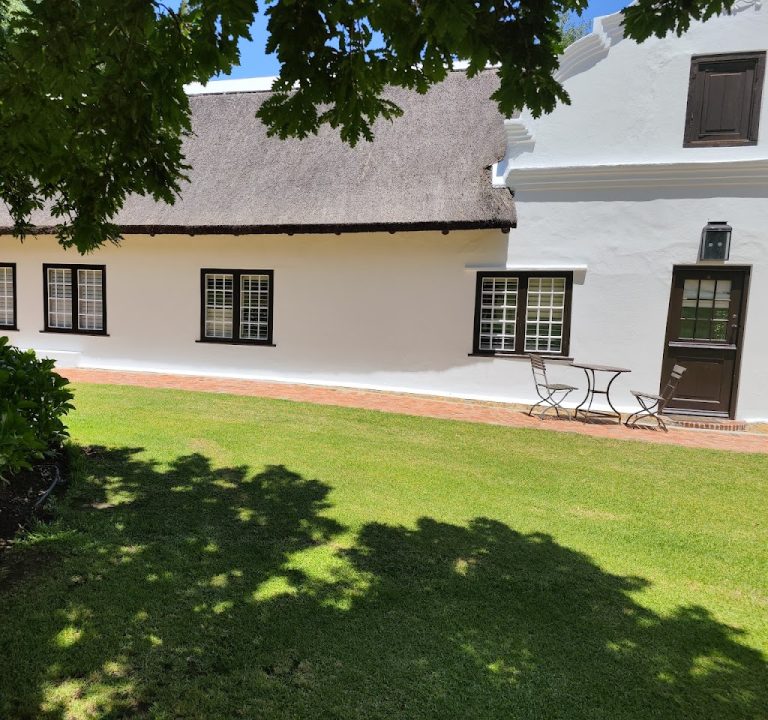
Stellenbosch blends Cape wine country charm with a crafted urban scene. When planning a stay, many visitors opt for a mix of self-catering homes, guesthouses and boutique hotels in and around the town centre, as well as quieter rural pockets a short drive away. The choice often depends on whether you want easy access to historic streets and museums, or a peaceful base among vineyards and mountains. For self-catering stays, Sunset Farm Stellenbosch offers a practical and relaxed option, with a website detailing its family-friendly facilities and self-contained units you can book directly online at sunsetfarmstellenbosch.co.za.
Areas to consider for accommodation include central Stellenbosch, where streets are lined with oaks, oak-paneled wine spittoons of history, and easy access to galleries, cafés and a compact dining scene. The area along and around Dorp Street and the university precinct tends to be lively and walkable, ideal if you enjoy exploring on foot after a day of sightseeing. For a more scenic backdrop, look to hillside suburbs and farms on the western or southern edges of town, where you’ll find quiet verandas, panoramic views, and proximity to vineyards and nature trails. If you’re seeking a full countryside experience, consider a rural stay a few kilometres outside the centre, which often includes self-catering cottages or guesthouses set among vines and orchards.
When booking, think about what you want from your days. If you plan long winery trips, a self-catering base near a wine route or on a farm can be convenient and cost-effective, giving you the flexibility to dine in or out as you please. If you prefer mornings with a café crawl and daytime museums, a central location may cut down on driving and parking time. Check the property’s parking provisions and whether the unit is family-friendly or suited to couples. Accessibility can also be a factor in some historic streets, where stepped entrances or narrow paths are possible.
Typical amenities to look for include a well-equipped kitchen or kitchenette, reliable Wi‑Fi, on-site parking, and laundry facilities, which can be particularly useful for longer stays. Some properties offer a private outdoor area or balcony with views over vineyards or Table Mountain’s distant silhouette. If you’re visiting during peak tourist periods, it helps to have flexible cancellation policies and responsive host communication. For families, check whether cots or high chairs are available, and whether there are openings to outdoors with safe spaces for children to roam.
Transport in Stellenbosch is generally straightforward by car. Many visitors hire a vehicle to hop between wine estates, restaurants and nature walks. Public transport options exist but can be limited compared with major cities, so a car provides more freedom, especially if you’re staying in a rural or semi-rural setting. If you don’t drive, look for accommodation close to the town centre or near known bus routes or ride-share access. In some cases, hosts may offer transfers or guidance on local taxis—ask in advance to map out your daily plans.
The best time to visit Stellenbosch depends on your priorities. Spring (September to November) and autumn (March to May) offer mild weather, with the landscapes green and the crowds generally more relaxed. The summer harvest season can be busy in wine country, with longer opening hours at estates and lively dining scenes, so it pays to book well in advance. Winter is cooler and quieter, yet still pleasant for museum days and cosy evenings. For those chasing seasonal scenery, consider planning around flower displays in spring or the grape harvest atmosphere in late summer and early autumn.
When it comes to things to do, Stellenbosch offers a balance of culture, food and outdoor activity. Enjoy wandering historic streets, stopping at galleries and craft shops, and sampling the region’s wines at nearby estates. If you’re partial to culinary experiences, many restaurants offer seasonal menus inspired by local produce, with options for light bites and tasting menus alike. For a broader day out, you can explore nearby nature reserves, take a short drive to scenic viewpoints, or arrange a guided walk through vineyards with a focus on terroir and culture. In addition, guided cycling routes and mountain trails offer opportunities to see more of the Western Cape’s landscapes without straying too far from your base.
- Plan a flexible itinerary: balance wine estate visits with cultural stops and a couple of relaxed days for strolls or poolside downtime.
- Book ahead during peak seasons: harvest time and weekends fill quickly, especially in central locations.
- Check transport options: if you won’t hire a car, verify proximity to town facilities and transfer services.
- Choose accommodation based on your preferred pace: central stays for immersion, or rural stays for scenery and space.
- Read cancellation policies carefully: a clear policy helps if plans shift due to weather or events.
In summary, Stellenbosch rewards visitors who blend planning with spontaneity. A well-chosen base—whether a self-catering farm stay near the vineyards like Sunset Farm Stellenbosch, or a cosy guesthouse in the town centre—can simplify daily logistics while amplifying access to both the historic town and the wider Western Cape’s attractions. With thoughtful selection of location, amenities, and transport, you can tailor a stay that feels both relaxed and richly connected to the character of this celebrated corner of South Africa. For more details on Sunset Farm Stellenbosch, visit the official site at sunsetfarmstellenbosch.co.za.