Klein Slangkop Beach House and a Practical Guide to Accommodation in Cape Town
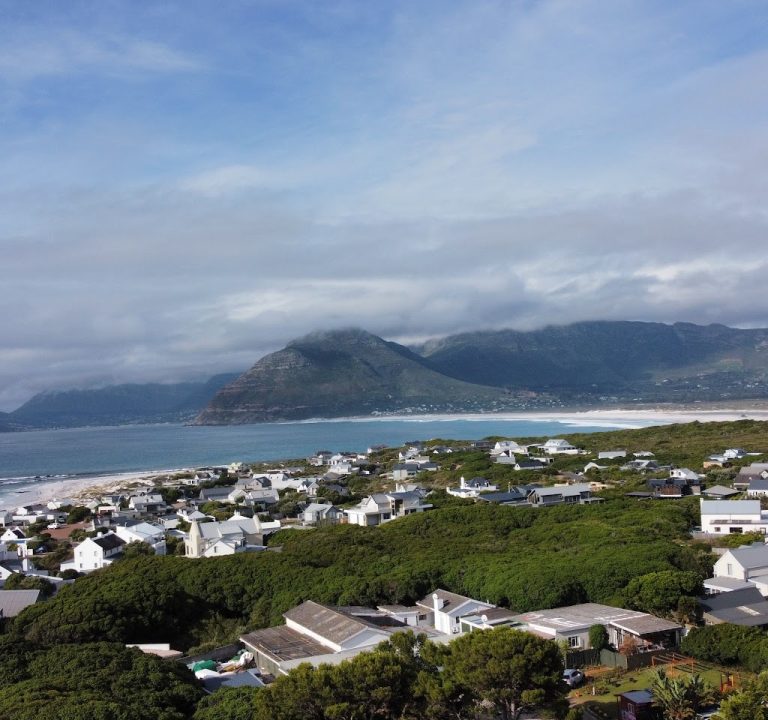
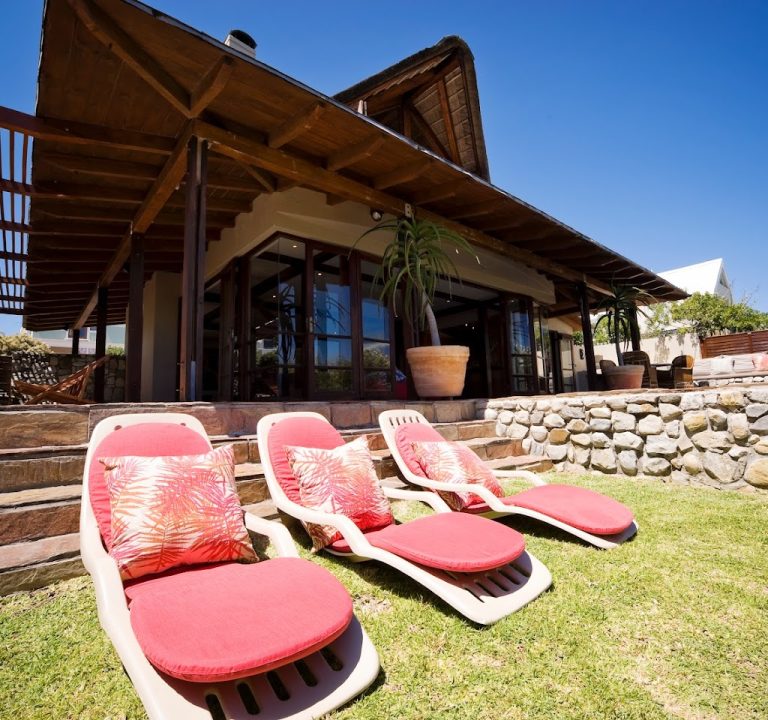
Cape Town offers a diverse tapestry of places to stay, from elegant beachside retreats to characterful guesthouses nestled in leafy suburbs. Whether you are seeking a chic apartment with sea views, a cosy B&B in a quiet neighbourhood, or a spacious lodge on the edge of the peninsula, the city’s varied geography translates into a range of experiences. The Klein Slangkop Beach House presents a seaside option that can be a good base for exploring the Atlantic coast, while the wider Cape Town area provides a gateway to both urban culture and coastal adventures.
Areas to consider when planning your stay. The V&A Waterfront and the central City Bowl are ideal if you want easy access to museums, cafés, and nightlife, with reliable public transport and plenty of dining options within walking distance. The Atlantic Seaboard, including areas such as Camps Bay and Clifton, is renowned for dramatic ocean views, sunlit beaches and stylish dining, but can be pricier in peak season. The Bo-Kaap and Gardens districts offer charming boutique stays with historic character, often within short hops of the city’s galleries and markets. A little further afield, Constantia and the Southern Suburbs provide leafy, peaceful settings and easy access to wine estates and hiking trails, while the Cape Peninsula offers dramatic coastal scenery and escape routes to nature reserves and scenic drives.
What to look for when booking. Consider proximity to your planned daily activities, whether you will rely on public transport or a car, and what kind of atmosphere you prefer—vibrant and urban, or tranquil and residential. Pay attention to guest reviews for consistency on cleanliness, noise levels, and the responsiveness of hosts or staff. Check whether the accommodation offers the essentials you need, such as reliable wi‑fi, secure parking, on-site breakfast options, kitchen facilities for self-catering, and flexible check-in arrangements. If you are travelling with family or a group, look for family rooms or multiple bedrooms, and whether common spaces allow for comfortable socialising without feeling crowded.
Typical amenities you may encounter. A well‑located property might provide a mix of en suite bathrooms, a well-equipped kitchenette or kitchen, free wi‑fi, secure parking, and laundry facilities. Some places include access to a shared pool, garden spaces, or terraces with panoramic views. Breakfast can range from continental to full cooked options, and some listings offer self-catering arrangements or light housekeeping. For last‑minute flexibility, consider properties that offer refundable rates or clear cancellation policies. If you need accessibility features, confirm elevator access or ground-floor rooms where applicable.
Transport and getting around. Cape Town’s geography rewards a bit of planning. The MyCiTi bus network and MyCiTi BRT routes cover many central and coastal areas, making day trips convenient without a car. In more remote areas, a car or ride‑hailing service often remains the simplest option. If you plan to visit the south‑western coast or the Cape Point area, a car offers the most freedom to stop at beaches, viewpoints, and small towns along the way. Many accommodation providers can advise on parking availability, shuttle options, or guided tours that align with your itinerary.
Best time to visit. Cape Town enjoys a temperate climate with warm, dry summers and milder, wetter winters. The longer daylight hours from late spring through early autumn (roughly September to March) suit outdoor activities such as hiking, beach outings, and harbour-side strolls. Shoulder seasons offer fewer crowds and pleasant weather for exploring the city’s outdoor markets, gardens, and scenic coastal paths. If you are keen on wine country experiences, plan a day trip to Constantia or nearby Stellenbosch and Paarl during spring or autumn when the countryside is particularly vibrant.
Practical tips for a smooth stay. Plan your itinerary with a mix of urban culture, nature, and culinary experiences. When budgeting, remember that peak season can bring higher rates and busier venues, so booking in advance is wise. Safety is important in any city; keep valuables secure and be mindful of your surroundings, especially in busier waterfront areas after dark. Tipping is customary for service staff in South Africa, in line with local norms. Hydration and sun protection are essential for daytime activities on the coast or in the mountains, where UV exposure can be strong. If you have dietary preferences, check whether your accommodation can accommodate special meals or provide suitable kitchen facilities for self-catering.
Attractions and experiences in general terms. Cape Town offers dramatic landscapes and accessible cultural experiences. Iconic viewpoints provide sweeping panoramas of the Table Mountain massif, while coastal drives reveal rugged sea cliffs and tranquil beaches. Museums, markets, and theatre venues showcase South African history and contemporary arts. Nature lovers can explore botanical gardens and nature reserves, while food lovers will enjoy a thriving restaurant scene ranging from casual cafés to refined dining. For day trips, consider venturing to the southern peninsula’s peninsular scenery, or touring nearby wine estates and coastal towns that complement a stay in the city.
In summary, Cape Town accommodates a wide spectrum of stay styles suitable for varied itineraries. When planning, balance location, amenities, and pace of your days to craft a stay that feels both comfortable and energising. Whether you choose a seaside escape such as Klein Slangkop Beach House or a central city retreat, you’ll find that careful planning, flexible transport options, and a mix of experiences will help you make the most of your visit to the Western Cape.