Accommodation and Experiences in Tulbagh, Western Cape: A Practical Guide
Tulbagh sits in the historic winelands of the Western Cape, framed by rolling valleys, citrus groves and a backdrop of rugged mountains. For travellers seeking a relaxed yet enriching stay, the village offers a range of self-catering options, guesthouses and lodges that blend comfort with easy access to nature, history and excellent food and drink. Whether you prefer a cosy cottage with a private terrace, a stylish boutique guesthouse in the heart of town, or a spacious family-friendly lodge in the surrounding countryside, Tulbagh makes it possible to slow down and soak up the atmosphere of the area.
When planning a stay, start by choosing the area that suits your priorities. The historic centre around Church Street and the four main lanes retains a colonial charm, with many buildings restored to showcase the town’s 19th-century architecture. This area is ideal if you want to walk to the town’s eateries, wine-tasting rooms and cultural sites. For more expansive views and a sense of rural solitude, consider stays on the valley slopes or along the outer parts of the road that leads into the surrounding vineyards. Self-catering accommodation is particularly popular here, offering the flexibility to cook a relaxed meal after a day of exploring the region.
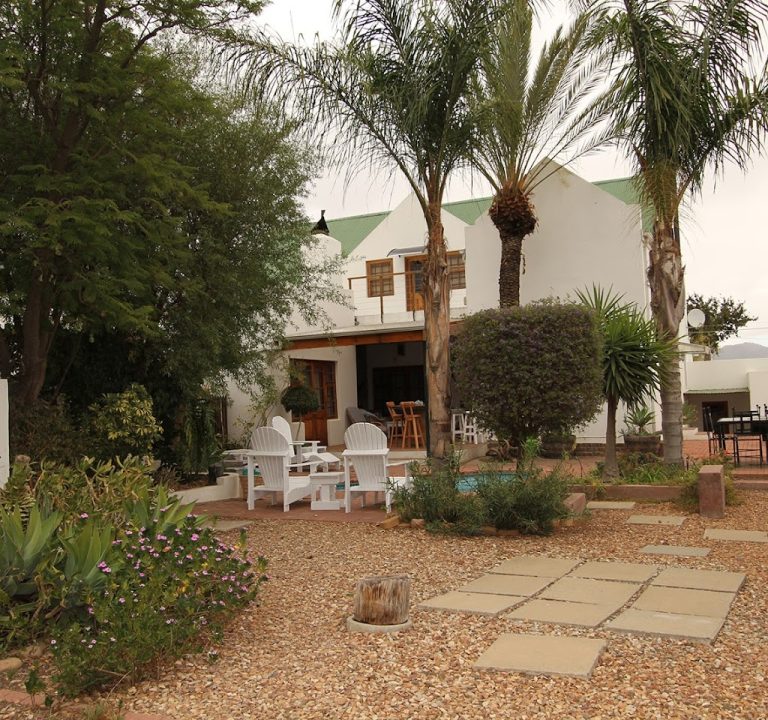
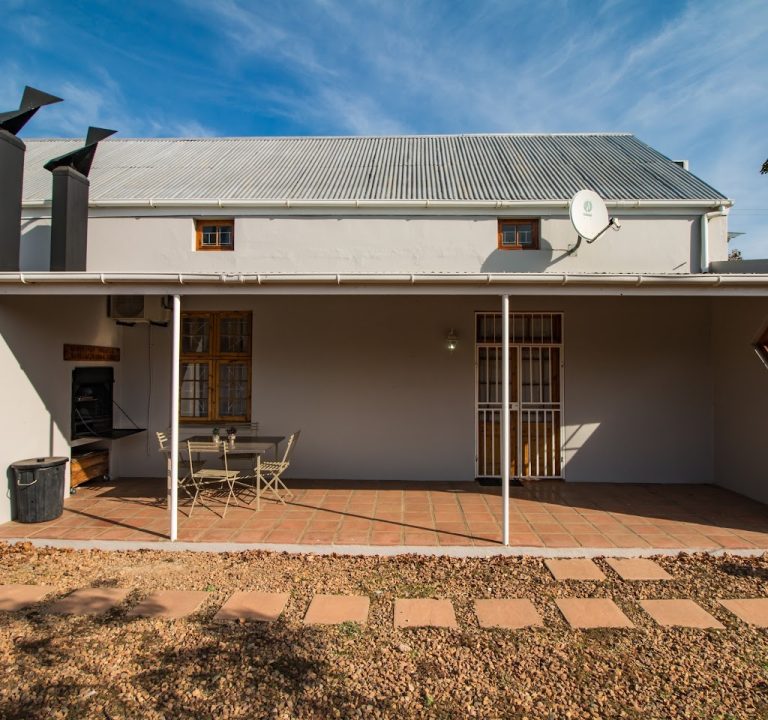
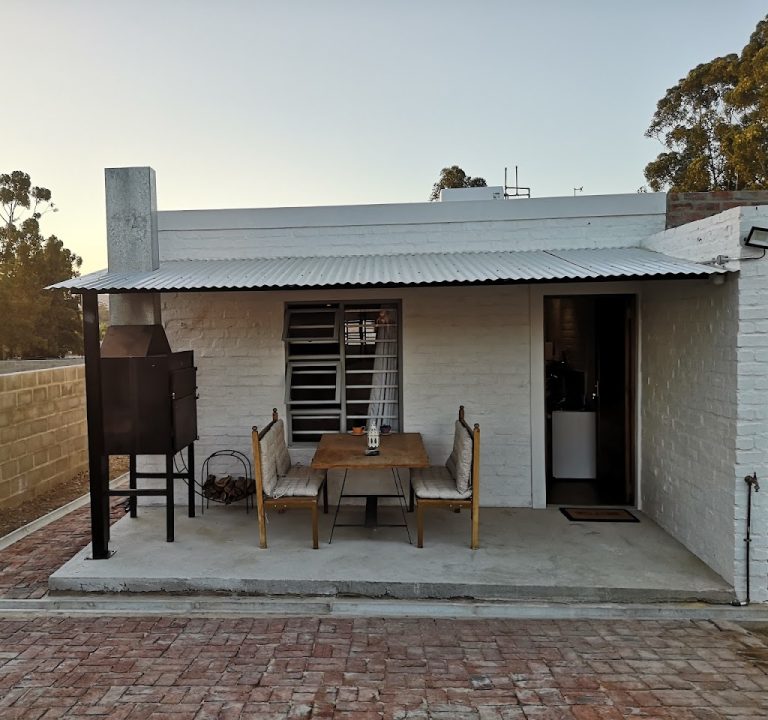
Key amenities to look for include well-equipped kitchens or kitchenettes, reliable heating for cooler evenings, and outdoor spaces such as braai areas or terraces. If you are visiting with family or a group, check for separate bedrooms, secure parking, and access to laundry facilities. Some properties offer shared pool areas or firepits, which can be especially appealing in the cooler months. For those who want a more immersive experience, several self-catering properties partner with local producers or offer guided activities in and around Tulbagh, from wine tastings to farm visits.
Transport is straightforward in Tulbagh, with most attractions clustered within a short drive of the village centre. A car is the most convenient way to explore beyond the town, allowing you to set your own timings for vineyard visits, a country lunch, or a hike in the surrounding hills. Public transport options are limited, so it is wise to plan in advance if you are relying on rideshare or taxi services. For travel from Cape Town, you’ll typically take the N1 and R46 routes, enjoying a scenic detour through other towns and landscapes along the way.
Best time to visit Tulbagh depends on your preferences. Spring and autumn bring mild temperatures and clear skies, ideal for outdoor activities and wine tastings. Winter can be cooler and rainier, which suits travellers who enjoy cosy evenings by a fireplace and fewer crowds. Summer is warm and pleasant, though peak tourist periods can be busier. If you are drawn to seasonal beauty, the surrounding countryside blooms in spring with flowers and fresh foliage, providing excellent photo opportunities and pleasant hiking conditions.
Attractions in and around Tulbagh are most often enjoyed at a relaxed pace. Within the village, heritage architecture and easterly streets encourage a gentle stroll to discover well-preserved facades, church towers, and museums that interpret the town’s rich history. The surrounding winelands offer a backdrop of vines and scenic vineyard lanes, with opportunities for guided tastings, picnic experiences and farm-to-table meals at various estates. For outdoor enthusiasts, there are hikes and nature trails that traverse farm landscapes and vantage points over the valley. Nearby countryside provides space for cycling, birdwatching, and photographic viewpoints that showcase the area’s timeless beauty.
Dining in Tulbagh is rooted in farm-fresh ingredients and local flavours. Expect casual bistro-style venues and more refined dining rooms that focus on seasonal menus. Many restaurants pair well with local wines, reflecting the relationship between Tulbagh’s agricultural heritage and its modern hospitality scene. There is usually a choice between heartier country fare and lighter dishes, with options for vegetarians and meat-eaters alike. If you prefer a self-catering stay, you can look for properties that offer well-equipped kitchens and nearby markets where fresh produce is available, enabling you to prepare a relaxed meal with a vineyard view.
When choosing accommodation, consider the following practical tips to maximise comfort and convenience:
- Confirm the bed configuration and whether there are en-suite facilities if privacy is important.
- Check for on-site parking and access to outdoor spaces that suit your plans, such as a terrace or garden.
- Ask about washroom amenities, heating or cooling options, and the availability of a reliable Wi-Fi connection if you need to stay connected.
- Review access to the main attractions you intend to visit and whether the property offers guided experiences or partnerships with local operators.
- Plan your meals around local market days or farm-to-table options, and consider staying in a location close to the activities you want to enjoy to minimise driving time.
- Allow some flexibility in your itinerary for spontaneous village strolls, a coffee stop, or a winery visit that may require advance booking.
For further inspiration and practical planning, visit Tulbagh’s official tourism resources or browse individual self-catering and guesthouse listings that highlight the warmth of South African hospitality in this historic valley. A well-planned stay in Tulbagh combines comfortable accommodation with time to explore land and heritage at a relaxed pace, leaving you with lasting memories of a quintessential South African village experience.