Staying in Tulbagh: a guide to accommodation, attractions and local flavours
Tulbagh, nestled in the fruit-and-wine covered splendour of the Western Cape, offers a calm gateway to the Cape Winelands and a postcard-perfect historic core. With a range of accommodation from intimate bed & breakfasts to boutique guesthouses and self-catering cottages, visitors can tailor a stay to suit romance, family trips or a slow, place-by-place exploration of the valley. Planning a visit naturally begins with thinking about where to stay, what to expect in the rooms, and how to move about the town and its surrounds.
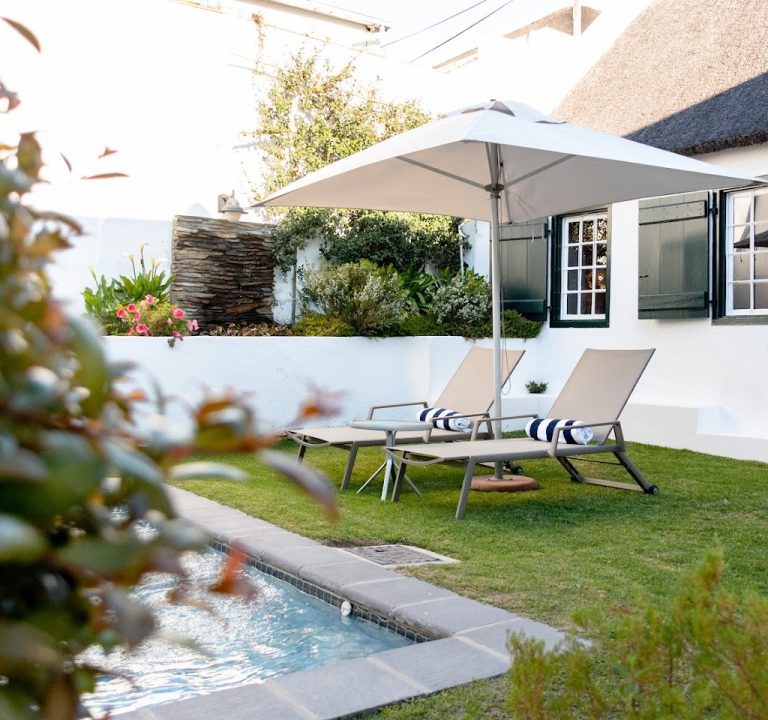
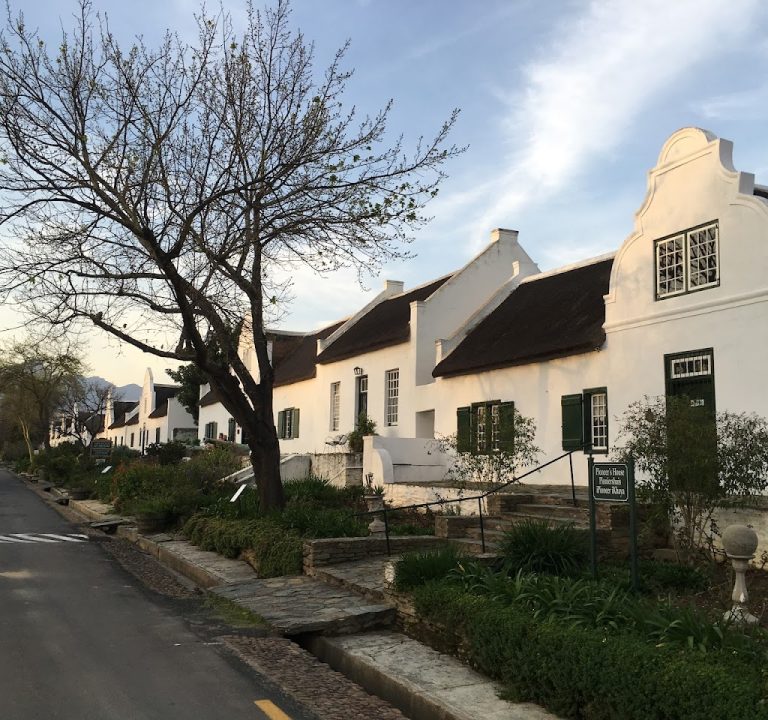
Accommodation in Tulbagh tends to cluster around the town’s historic heart, where weathered façades, cobbled lanes and the distinctive church square set the scene. A stay in a traditional bed & breakfast can feel like a home from home, often with hosts who know the region well and can offer guidance on day trips and seasonal produce markets. Boutique guesthouses and small hotels provide a higher level of personalised service, while self-catering cottages and farm stays can suit travellers seeking longer stays or family-friendly space. Typical amenities to look for include private en-suite bathrooms, reliable Wi-Fi, secure parking, and options for breakfast either on-site or nearby. Some properties may offer additional touches such as tea and coffee provisions, complimentary fruit baskets, or curated local guides.
When planning a stay, consider the area you’d like to base yourself in. The historic core is pedestrian-friendly and ideal for strolling between art galleries, cafés, and the local wine route starts nearby. If you prefer a more rural or vineyard-fringed atmosphere, look for dwellings on the outskirts with views of orchards or valleys and easy access to scenic drives. For families, a cottage with a kitchenette and separate living space can be convenient, while couples may favour a stylish room with a cosy fireplace or a private terrace.
Booking considerations are straightforward but worth a quick check. Verify what is included in breakfast and whether there are set dining times, as this can influence day plans. Check the property’s policies on check-in hours, parking, and accessibility to ensure a smooth arrival. If Wi-Fi is important, confirm signal strength, especially for guests who may be working remotely. For those visiting during peak harvest or holiday periods, it’s wise to book well in advance to secure a preferred room type and a favourable rate.
Transport in Tulbagh is most convenient by car. The town is compact enough for easy walking within the centre, but a vehicle is helpful for day trips to surrounding farms, viewpoints, and nature reserves. Some accommodation providers can offer guidance on local taxis or shuttle options, and a few properties may have bicycles available for guest use. If you plan to explore the wider region, a car gives you the flexibility to follow the scenic routes that link little towns, orchards, and cellar doors at your own pace.
Best time to visit Tulbagh depends on what you’re seeking. The climate is generally Mediterranean, with warm, dry summers and cooler, wetter winters. Sap-laden early spring and the autumn grape harvest season bring vibrant colours and lively cellar-door experiences, while winter can be a cosy time to enjoy fireside moments in a guesthouse or B&B. If you’re chasing outdoor activities such as trails and viewpoints, spring and autumn usually offer comfortable conditions for walking, cycling or simply soaking up the scenery of the Cape Winelands.
After choosing a place to stay, plan how you’ll spend your days. Tulbagh itself rewards a gentle pace: you can wander the historic square, peek into museums, or pop into artisan shops and galleries. For dining, you’ll encounter a mix of family-run eateries, bistros and casual cafés offering light lunches and evening meals. In addition to in-town options, the surrounding area is home to wineries and farms where it’s common to find seasonal produce, handcrafted goods, and opportunities to learn about winemaking and fruit production through guided tastings or farm tours. While you should not rely on a single venue for every meal, the town’s dining scene is approachable and welcoming, making it easy to plan relaxed evenings without long travel times.
Practical tips for a smooth Tulbagh visit:
- Book accommodation with parking if you’re driving, and confirm your arrival time with the host to avoid delays.
- Check breakfast arrangements, and whether you’ll need to arrange alternate meals on certain days if you plan early excursions.
- Ask about nearby attractions and if the property can arrange recommendations or guided experiences.
- Pack layers for variable temperatures, especially in shoulder seasons, and bring comfortable footwear for exploring the historic streets.
- Respect local customs and preserve the town’s heritage by strolling thoughtfully and supporting local businesses.
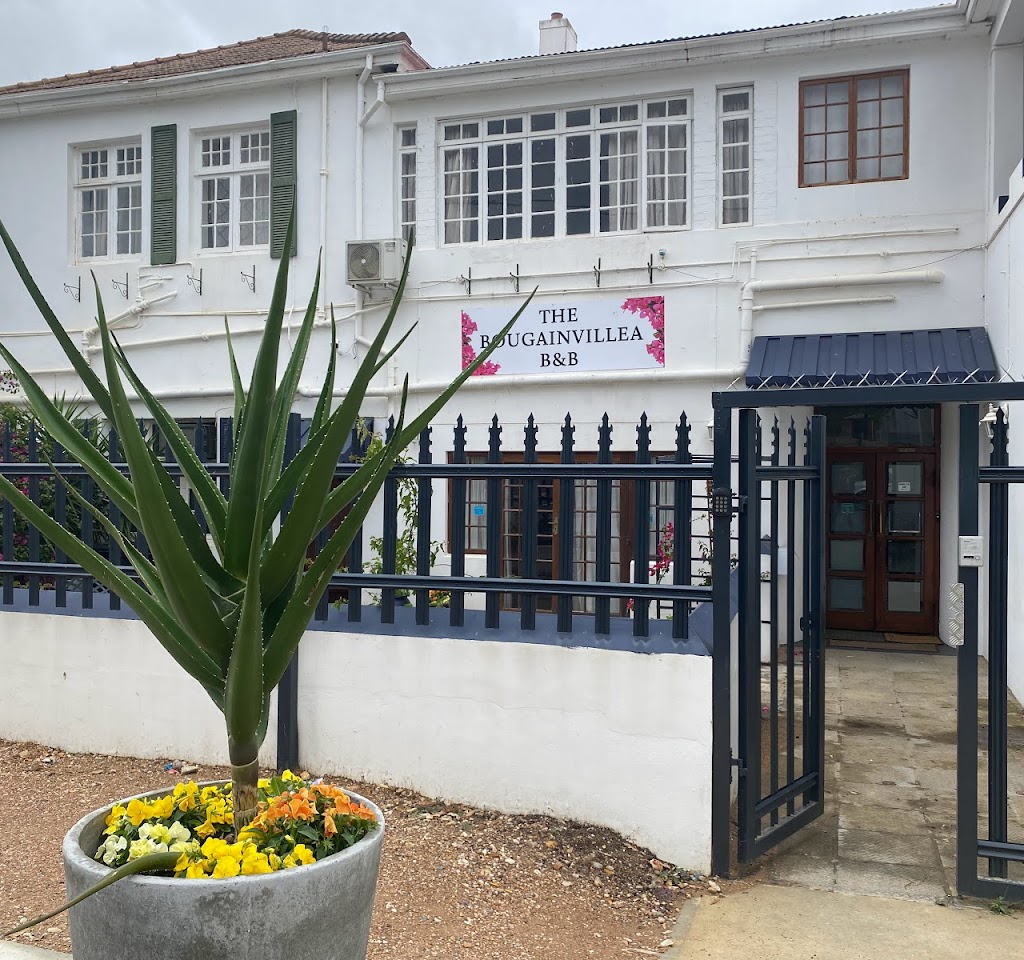
For those seeking a convenient example of Tulbagh hospitality, properties such as the smaller traditional B&B options offer intimate stays with personalised service, while boutique guesthouses provide a refined yet relaxed atmosphere. The destination supports a quiet, unhurried visit, balanced by a choice of scenic day trips, gentle walks, and opportunities to sample regional flavours through farms, markets, and eateries. With careful planning, your Tulbagh stay can feel like a curated escape—time well spent in a heritage town that invites you to pause, savour and return.
More information about Tulbagh, its sights and lodging options can be found at local tourism guides and official websites. Visitors are encouraged to explore responsibly and to check current opening hours and access details for attractions and restaurants before setting out.