Accommodation and Experiences in Tulbagh, Western Cape
Tulbagh sits in a lush, historic valley a short distance from Cape Town, offering a compact yet diverse selection of places to stay and a gentle pace that makes it easy to explore the region. Whether you are seeking a cosy B&B with personalised service, a country lodge with sweeping views, or a family-friendly guesthouse near the main square, Tulbagh provides options that pair comfort with a sense of place. Planning a stay here often revolves around a mix of relaxed hospitality, wine country scenery and easy access to heritage sites and countryside walks.
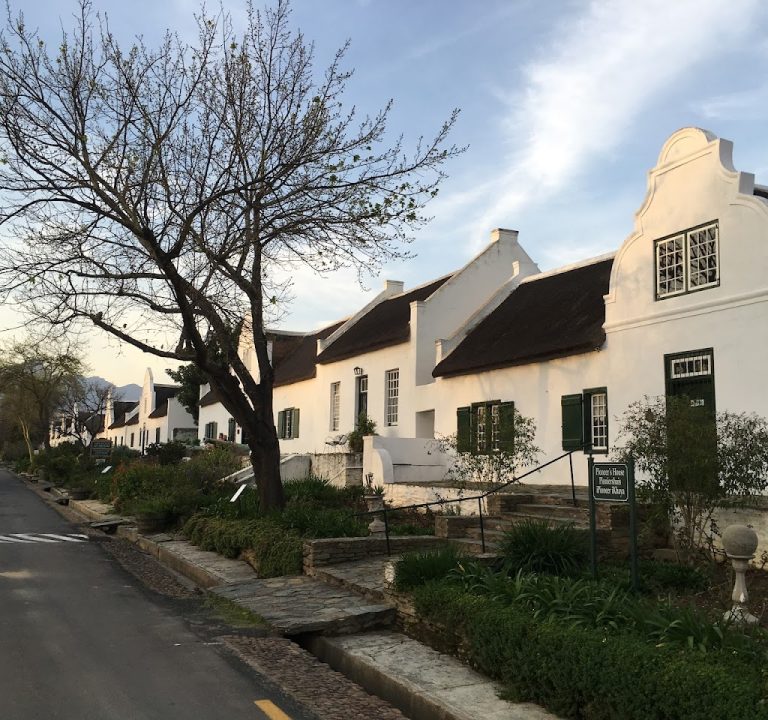
Accommodation in Tulbagh tends to cluster around a few distinct areas. The historic town centre remains the most convenient for visitors who want to stroll to the church, the Cape Dutch façades and the small cluster of eateries and shops. For those seeking more space and a rural atmosphere, farms and guesthouses set on the surrounding farms offer wide verandas, lotus-coloured sunsets and plentiful opportunities for activities on the land. If you are travelling with family or a group, consider farm stays or self-catering cottages that provide a practical base with room to breathe, while still being close to Tulbagh’s main attractions.
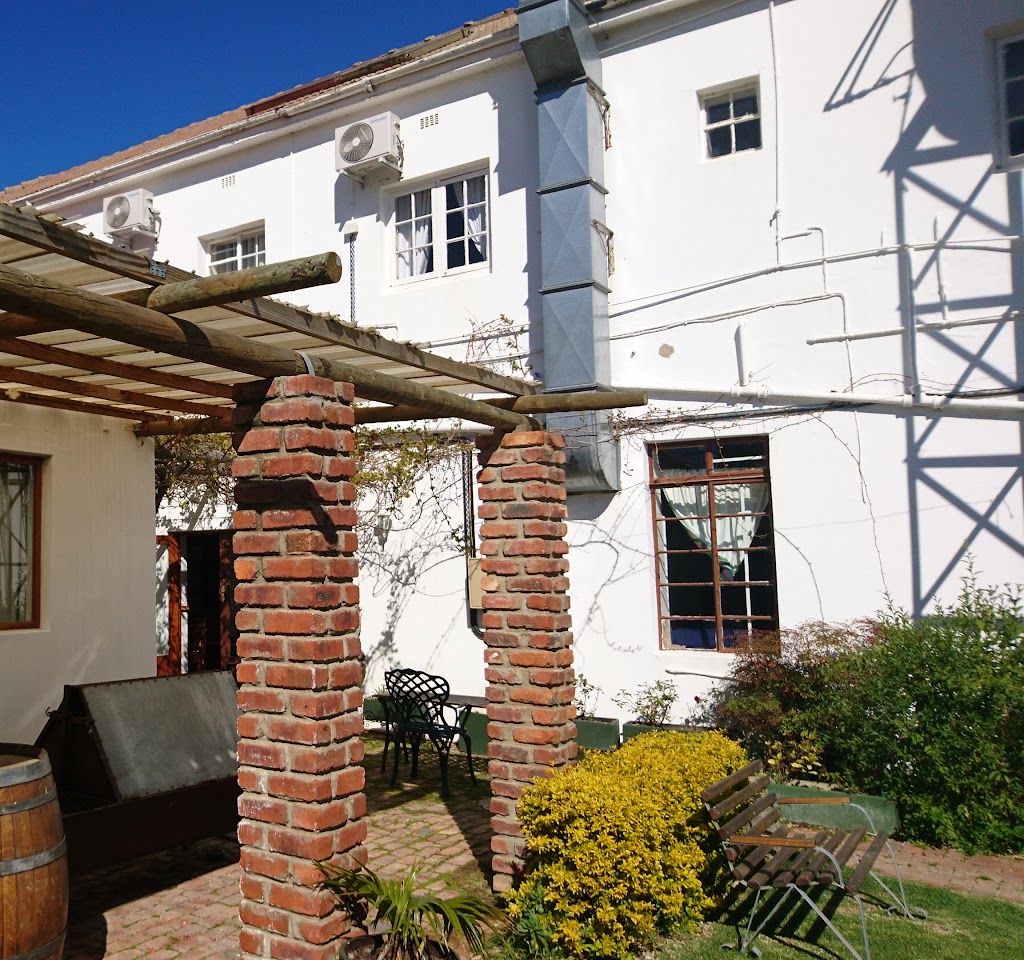
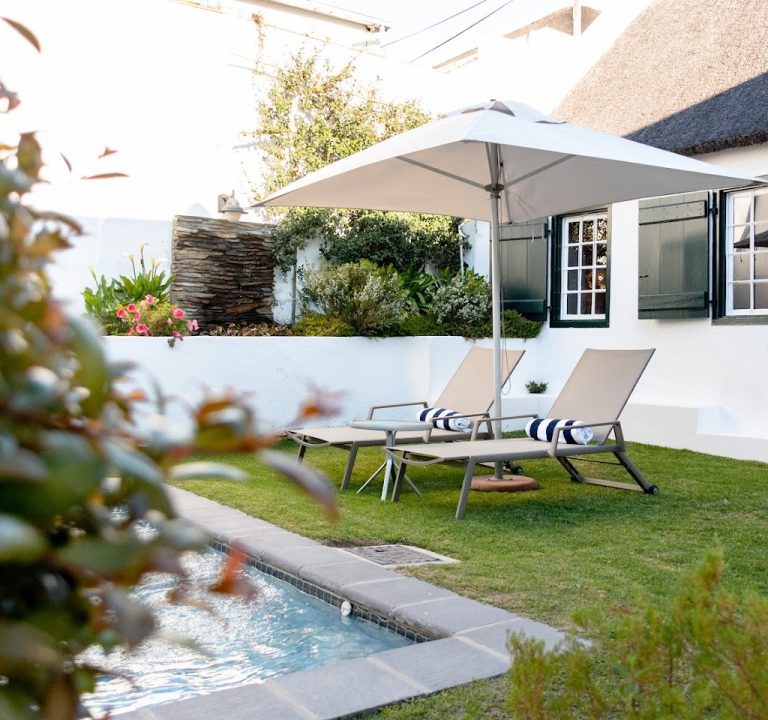
Typical amenities you may encounter include en-suite bathrooms, included breakfast, free on-site parking, and Wi-Fi. Many B&Bs and guesthouses in Tulbagh offer characterful interiors with historic features, such as timber ceilings, fireplaces, and traditional decor. For guests who value modern comforts, look for air-conditioning in summer months, private entrances or verandas, and well-equipped self-catering kitchens. Some properties also provide recommendations and maps for local wine tours, hiking routes, and day trips to nearby towns and scenic viewpoints.
When you book, consider the following practical points to ensure a smooth stay. First, confirm whether breakfast is continental, full cooked, or optional, and whether there are dietary accommodations. Second, check access arrangements for late arrivals or check-in windows, especially outside peak season. Third, inquire about parking and security on site, particularly if you plan to rent a car and explore surrounding areas. Finally, ask about cancellation policies and whether the property offers flexible rates should plans change.
- Location relative to the town centre and key attractions
- On-site parking and security arrangements
- Breakfast options, kitchen access, and self-catering features
- Room configurations, private entrances, and family-friendly facilities
- Average noise levels and surrounding pace (quiet country setting vs. bustling square)
Transport in Tulbagh is practical for visitors with their own vehicle. The town sits along a road network that connects with surrounding valleys, wine routes, and historic sites. If you are relying on public transport, plan ahead as services can be limited outside the centre. For day trips, a car provides flexibility to visit nearby wine estates, viewpoints, and hamlets, while some guesthouses can arrange local tastings or guided cellar tours. Many accommodation providers will offer guidance on the best routes and timings for exploring the region.
The best time to visit Tulbagh is generally in the spring and autumn when the weather is mild and the light is excellent for photography of the valley’s terracotta and whitewashed architecture. Summer brings warmth and the chance to enjoy outdoor activities, though afternoons can be hot in the escarpment hinterland. Winter adds a cosy atmosphere with the possibility of fires in lounge areas or guest rooms, perfect for curling up with a book or planning the next day’s itinerary. Seasonal events, including any local wine shows or heritage days, add to the appeal if your schedule allows.
Top experiences in and around Tulbagh can be enjoyed at a relaxed pace. A stroll through the historic Church Street with its preserved Cape Dutch frontages offers a window into the town’s cultural heritage. Wine tastings and cellars are a highlight in the surrounding valley, with many estates offering tastings, light lunches, and scenic views. For families or curious travellers, a visit to nearby farms or nature trails provides opportunities to observe birds, wildlife, and the spring flowers that bloom in season. The surrounding countryside also offers easy hiking and cycling routes, with paths that suit both beginners and more experienced explorers. For a restorative dinner, many local restaurants focus on regional produce and uncomplicated, well-prepared dishes that showcase the terroir of the Western Cape.
Where to start planning a stay? Choose accommodation with a good-country ambience that matches your pace—whether you want to be walking distance to the town’s highlights or tucked into quiet farmland. Read recent guest reviews to gauge current conditions and service quality, and consider asking properties about custom experiences such as food-and-wood-fire evenings, guided walks, or private cellar visits arranged on request. For inspiration and practical planning, local tourism resources and regional guides can help with seasonal suggestions, routes, and options for day trips to nearby towns and natural attractions. More information can be found on regional tourism platforms and official Western Cape tourism sites.
In sum, Tulbagh offers a welcoming mix of accommodation styles, from intimate B&Bs to larger country houses, all set in a landscape of vineyards, mountains and historic streets. Thoughtful planning around location, essential amenities, and local experiences will help ensure a relaxed and memorable stay in this quintessential Western Cape town. For ideas and practical planning, you can explore regional resources and official tourism information before you travel.