Staying in Tulbagh: a guide to accommodation, attractions and planning your visit
Tulbagh, tucked beneath the winter-wet folds of the Groot Winterhoek mountains in the Western Cape, offers a warm, village‑style welcome with a long botanical and architectural heritage. Whether you favour rustic charm, country boutique comforts, or self‑catering spaces for family stays, the town’s accommodation options are designed to be easy to reach from Cape Town and the surrounding Winelands. Planning a visit means weighing a few practical details about where to stay, what to do nearby, and how to make the most of the seasonal rhythms of the region.
Areas to consider when booking and staying in Tulbagh often come down to proximity to the town square, the main historic street with its church, old Cape Dutch façades and mini museums, or quieter lanes closer to orchards and vineyards. A stay close to the central area gives convenient access to shops, cafés and the starting points for local tours, while staying on the outskirts can offer more space, garden views and a calmer ambience. If you are travelling with a car, ensure your chosen accommodation provides adequate parking and easy access to the main routes that connect Tulbagh to Wolseley, Worcester and the N1 corridor.
Typical accommodation styles you may encounter include:
- Heritage guesthouses with characterful interiors that blend period features with modern comfort.
- Self‑catering cottages or flats, ideal for families or longer visits, often with private entrances and kitchen facilities.
- Small boutique hotels or inns that prioritise personalised service and a compact food offering.
- Farm stays or rural lodges on the edge of the town, useful for walkers and nature enthusiasts.
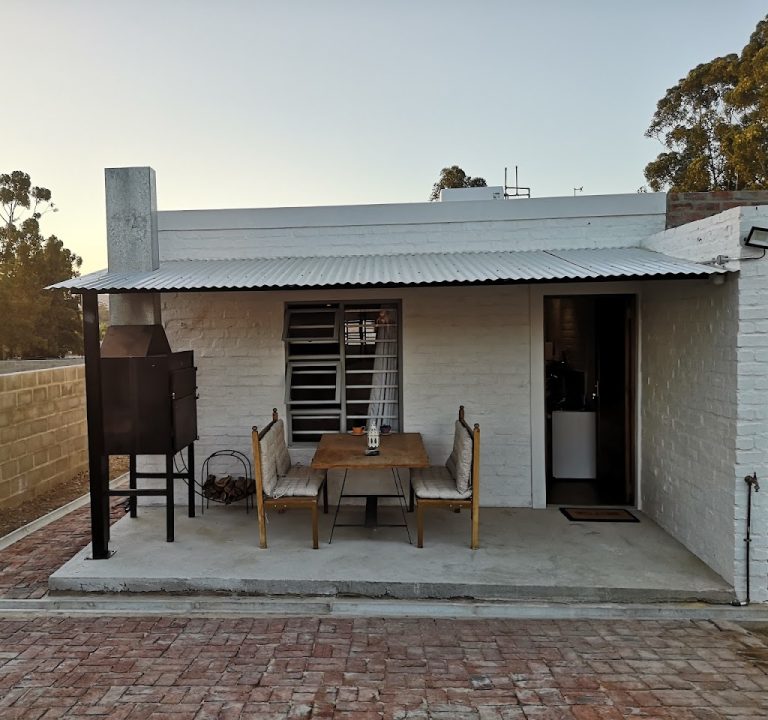
One example of a self‑catering option you might encounter is Greenhouse Accommodation – Self-catering One Bedroom Flat, which represents the practical appeal of a private, compact space within reach of Tulbagh’s central sights. If you are exploring similar options, check the property’s listing for details on kitchen amenities, Wi‑Fi, heating or cooling, and parking arrangements. Always read guest reviews for clarity on cleanliness, quietness, and the responsiveness of the host or management team.
Typical amenities to look for when booking include a well‑equipped kitchen or kitchenette, reliable heating for the cooler months, and a pleasant outdoor area. A private entrance, secure parking, and good natural light can make a big difference to a stay in a town where mornings and evenings have a distinctly tranquil, village‑like feel. If you plan to cook some meals, verify the availability of essential cookware, a fridge, a microwave, and dining space. Laundry facilities, either in‑unit or on‑site, are another practical perk for longer breaks.
Transport in Tulbagh is straightforward but plan ahead if you plan to explore further afield. A car is usually necessary for reaching surrounding wine routes, the valley’s viewpoints, and other towns within a short drive. Within Tulbagh itself, you can typically stroll between the church, the museum, galleries and cafés, but for day trips to nearby towns or nature reserves you will rely on your own transport. If you prefer not to drive, investigate local tour operators or guesthouse packages that include transfers or guided excursions, which can simplify logistics during peak travel periods.
The best time to visit Tulbagh depends on your interests. Spring and autumn offer mild weather with colourful gardens and pleasant walking conditions, ideal for village strolls and terrace dining. Winter can be quiet and atmospheric, with clear skies that are perfect for scenic drives and farm views, though some outdoor activities may be more limited by cool weather. Summer brings longer days and the chance to enjoy agricultural areas and vineyards, with the caveats that it can be warmer and busier around peak weekends. If you are booking around festival seasons or harvest times, expect more limited availabilities and perhaps enhanced food and wine experiences in the region.
What to look for when planning an itinerary in Tulbagh? Start with a balance of cultural sights, natural landscapes and dining opportunities. The town is known for its well‑preserved Cape Dutch façades and a compact square that serves as a social hub. Nearby, you may find access to nature trails, panoramic viewpoints, and farm shops selling local produce. For a relaxed explorers’ day, consider a route that combines a gentle town walk with a countryside loop—perhaps including an orchard view, a winery visit or a stop at a farm café. Pace your days to savour the light and the quiet, rather than rushing between sights.
Restaurants in and around Tulbagh emphasise seasonal ingredients, honest cooking and convivial settings. Expect menus that showcase farm‑to‑table produce, with hearty regional dishes and wine pairings drawn from nearby estates. Rather than chasing a single signature dish, look for well‑rounded menus, good bread, and a friendly, relaxed atmosphere where staff can share local insights about the area’s landscapes and seasonal changes. If you are exploring on a budget, seek out café‑style spots near the square for light lunches or coffee breaks that still allow you to linger and people‑watch as the town goes about its day.
Practical tips for a smooth stay in Tulbagh: book in advance during peak periods and check cancellation policies, especially for rural properties that may have limited capacity. Confirm parking arrangements and access times if staying in a self‑catering unit with a private entrance. Pack for varied weather, as evenings can be cool even in warmer seasons. Bring comfortable walking shoes for charming streets and gentle hikes alike, and bring a reusable bottle for scenic drives and make sure you have a map or offline navigation for the countryside. Most importantly, allow time to simply enjoy the atmosphere—the calm, the light, and the hospitality that makes Tulbagh a memorable escape from busier tourist routes.