Accommodation and experiences in Cape Town: planning a memorable stay
Cape Town offers a diverse range of self-catering options, guesthouses, hotels and lodges that suit every traveller’s style. Whether you are seeking harbour views, hillside serenity, or a convenient base from which to explore the city and surrounding winelands, planning ahead will help you make the most of your visit. A practical starting point is to consider which area aligns with your priorities: coastal scenery, easy access to the city centre, or a quiet retreat with easy drives to the Cape peninsula beaches and nature reserves.
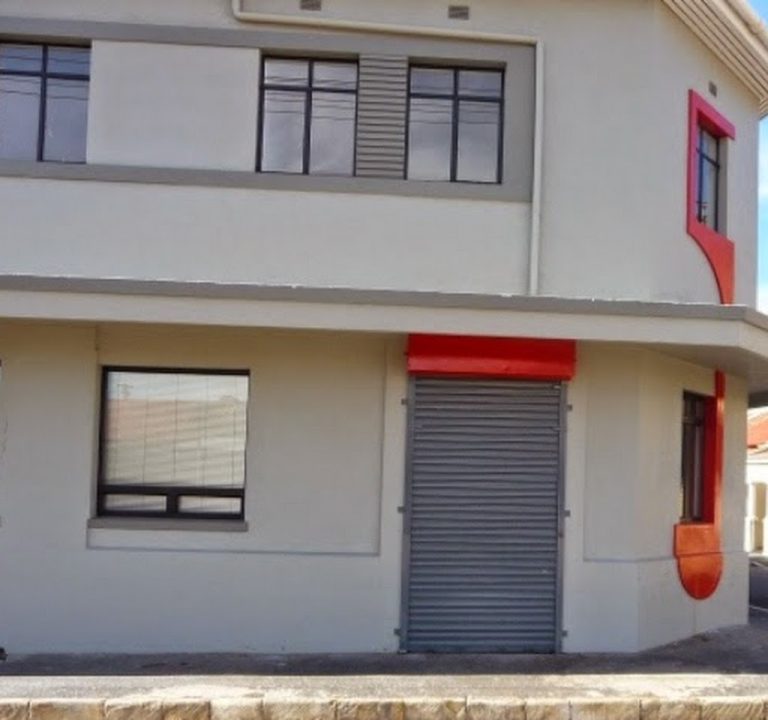
Self-catering stays can be a particularly appealing choice for families or groups who want flexibility and time to unwind at their own pace. A featured example is Junction Road, a self-catering option that offers a home-from-home atmosphere with the convenience of nearby amenities. When researching such properties, look for clear house rules, well-equipped kitchens, reliable wifi, and parking arrangements. Proximity to public transport or main roads can save time when you plan day trips around the peninsula or to the Constantia wine route.
Areas to consider include:
- City Bowl and the foreshore: These central neighbourhoods provide easy access to museums, markets, restaurants, and the V&A Waterfront. They are ideal if you want to stay within walking distance of many attractions and nightlife, with convenient transit links.
- Atlantic Seaboard: Seaside neighbourhoods such as Sea Point, Bantry Bay, and Camps Bay offer dramatic views, vibrant promenades, and a lively dining scene. They are well suited to travellers who value long coastal strolls and sunset routes.
- Southern Suburbs and Constantia: For a calmer, more leafy setting, these areas are renowned for green spaces, scenic drives, and proximity to the city’s historic wine estates.
- De Waterkant and Green Point: A balance of cosmopolitan atmosphere and access to green spaces, with convenient transport links and a range of dining options.
When you are booking, consider what is most important for your stay. Look for clear photographs that show both bedrooms and common areas, a well-equipped kitchen, air conditioning or heating for seasonal comfort, and reliable laundry facilities if you are travelling for longer periods. Check cancellation policies and whether the property offers flexible dates, as Cape Town’s weather can influence activity plans. If you are arriving by air, verify proximity to the airport or major transport hubs and the availability of airport transfer options through the property or trusted local operators.
Transport in Cape Town is varied and workable for many travellers. The MyCiTi bus network and the railway line provide routes across the city and into the southern suburbs, while rideshare apps and taxis are widely available. If you plan to explore the Cape Peninsula or the Constantia wine route, a car can be very convenient, but be mindful of peak traffic times and the geography of the area. Some guesthouses and lodges may offer parking onsite, while others provide secure, nearby options or guidance on car hire. For visitors staying in or near the central city, many properties will arrange local advice on walking routes to avoid the busiest streets during peak times.
The best time to visit Cape Town depends on your priorities. The city enjoys peak sunshine during the austral summer, typically from November to March, when beaches and outdoor activities are most pleasant. Winter (June to August) is cooler and wetter, but it brings fewer crowds and a different, lush green landscape that can be equally appealing. Shoulder seasons—April, May, and September—often offer milder weather and good value for accommodation. If you wish to combine your stay with wildlife experiences, plan trips to the Cape Peninsula or nearby nature reserves in the milder months when conditions are more comfortable for outdoor activities.
What to do during your stay is as important as where you stay. Cape Town blends natural beauty with a wealth of attractions and experiences. Iconic landscapes include Table Mountain, which many visitors access by cable car or via scenic hikes, and the dramatic coastal scenery along the Atlantic Seaboard. Cultural highlights can be discovered in the city’s historic neighbourhoods, markets, and galleries. For a leisurely day, stroll along the harbourfront, enjoy al fresco dining with ocean views, or take a boat trip to Robben Island to gain perspective on historical chapters of the region.
Dining and local experiences often reflect the city’s multicultural influences. In and around the central areas you will find a spectrum of eateries from casual to refined, with menus featuring seafood, traditional flavours, and modern interpretations of South African cuisine. While exact names and prices are variable, planning ahead for peak dining times and checking recent guest reviews can help you secure enjoyable meals. For wine lovers, a day trip to the Constantia or nearby Stellenbosch and Franschhoek regions offers scenic drives and country estate tastings, usually paired with light lunches, light refreshments, or picnics in picturesque surroundings.
Practical tips for a smooth stay:
- Book early for peak seasons or major events, especially if you want central locations or sea views.
- Pack layers to adapt to Cape Town’s changing microclimates—coastal winds can be brisk even on sunny days.
- Plan day trips with a clear timetable, but leave room for spontaneous coastal walks or sunset routes.
- Check accessibility features if required, and confirm bedding configurations for groups or families.
- Spare a little time for a neighbourhood stroll to discover local markets, cafés, and hidden viewpoints.
Whether you choose a self-catering base on Junction Road, a boutique guesthouse in a leafy suburb, or a modern apartment with sea views, Cape Town invites a stay that blends comfortable accommodation with accessible adventures. With thoughtful planning, you can enjoy both the vibrant city life and the natural splendours that make this part of the Western Cape so captivating. For more information on Junction Road and other self-catering options, visit the property’s website at http://www.junctionroad.co.za/.