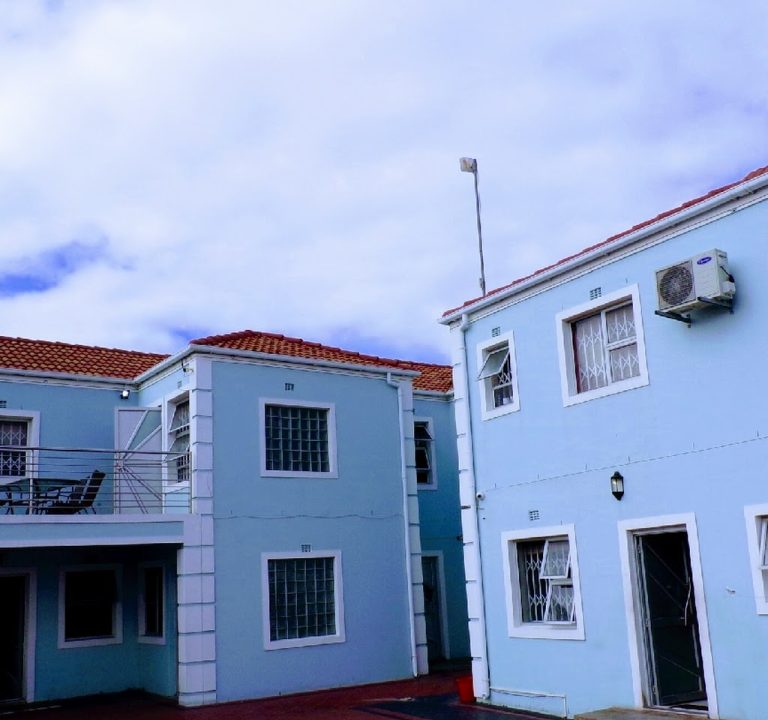
Cape Town: Accommodation and Traveller-Focused Planning for a Memorable Stay
Cape Town is a city of contrasts, where dramatic natural scenery meets a vibrant urban culture. Whether you prefer a cosy guesthouse in a quiet neighbourhood, a stylish boutique hotel with sea views, or a self-catering apartment that feels like a home from home, there are options to suit every traveller. When planning a stay, consider not just the accommodation itself but how your base will support your discovery of the surrounding areas, transport options, and the varied attractions on offer.
Popular areas to base yourself include the Atlantic Seaboard, where hotels and guesthouses frequently overlook the ocean and offer easy access to beaches and sunset walks; the City Bowl, which places you within walking distance of museums, markets and a thriving restaurant scene; and Constantia or the Southern Suburbs, ideal for families or travellers seeking green spaces, wine routes and a quieter pace. If your trip is primarily about scenery and outdoor activities, the V&A Waterfront and nearby harbour districts provide convenient access to tours and ferries, while Camps Bay and Clifton offer a boutique, luxury-focused atmosphere with spectacular coastal views.
When choosing accommodation, think about three core factors: location relative to your planned activities, the level of convenience you want, and the style of stay that suits your travel temperament. If you plan to explore on public transport or as part of day trips, look for places within easy reach of MyCiTi bus routes, train stations, or reputable taxi and shuttle services. If you prefer a private, self-contained experience, serviced apartments or guesthouses with kitchen facilities can be a practical option, especially for longer visits.
Typical amenities to look for include reliable Wi‑Fi, secure on-site parking (where you’ll be driving), a well-equipped kitchen or kitchenette, and a comfortable lounge or seating area. In coastal areas, many properties offer air conditioning or fans for warm evenings, and in winter you’ll appreciate underfloor heating or cosy communal spaces. A hearty breakfast is a common feature in many guesthouses and B&Bs, giving you a convenient start to busy days; some establishments also offer light meals or bar facilities if you’d rather stay in after a day of exploring.
Accommodation types vary from intimate B&Bs with personalised touches to mid-sized hotels that blend public spaces with helpful concierge services. For a more independent stay, serviced apartments and self-catering units provide flexibility for families or groups. Booking platforms often highlight guest reviews, which can give you a sense of how friendly staff are, how quiet the rooms are, and how effective the cleaning regimes are—useful considerations in the post-pandemic travel era.
To maximise your trip, plan a balanced itinerary that combines must-see sights with leisure time. Popular outdoor activities include hiking routes with panoramic views from Table Mountain, coastal drives along the Atlantic Seaboard, and visits to nature reserves for birdwatching and stargazing. Cultural experiences abound in the city centre and nearby townships, where guided walks and curated experiences can illuminate history, art, and cuisine. For food lovers, Cape Town’s restaurant scene ranges from casual bistros to fine dining, with a strong emphasis on seafood, fresh produce, and South African flavours. While specific restaurant names can change, you can expect menus that showcase seasonal fare, creative presentations, and choices for different dietary preferences.
Practical tips to help you plan your stay:
- Check your preferred neighbourhood’s safety profile and stay in well‑lit, busy streets after dark.
- Book accommodation with clear cancellation terms in case plans shift, especially during peak seasons or large events.
- Consider a stay that offers easy access to main transport hubs or reliable guided day trips to nearby attractions, such as wine estates or nature reserves.
- Pack layers and a light rain jacket; coastal weather can be changeable, even in warmer months.
- Respect local customs and environmental guidelines when touring beaches, nature reserves, and townships.
Best time to visit Cape Town depends on your priorities. The city enjoys warm, dry summers from December to February, ideal for beaches and outdoor activities, but peak season can be busy and prices may rise. Autumn (March to May) offers milder weather and fewer crowds, while spring (September to November) brings colourful blooms and pleasant temperatures. Winter (June to August) is cooler and wetter, yet this season can be excellent for city culture, food markets, and whale-watching south of the city when conditions allow it. Always check local events calendars, as major festivals or happenings can affect accommodation availability and street congestion.
When you book, verify what’s included in the rate—some properties offer enhanced cleaning protocols, airport transfers, or airport‑city shuttles, which can simplify your arrival. If you’re planning day trips, look for hosts or staff who can recommend reliable operators and confirm itineraries, timings and inclusions in advance. Lastly, remember to explore beyond central Cape Town: nearby towns, coastlines, and regions within the Western Cape offer diverse experiences—from winelands to wildlife experiences—that complement a well‑rounded stay in the Mother City.
For further inspiration and practical planning, you can explore official visitor information at Cape Town’s tourism websites and travel guides, which provide up-to-date details on attractions, dining and accommodation options. A good starting point is the official tourism platform, which aggregates ideas for experiences, routes, and practical planning tips to help you tailor a stay that suits your interests and pace. Cape Town Tourism offers general guidance on neighbourhoods, activities and getting around, assisting travellers in building a well‑considered itinerary.