Accommodating Cape Town: Where to Stay, What to Look For, and How to Plan a Memorable Visit
Cape Town, set between the Atlantic seaboard and the Ŋkanda Table, offers a diverse range of places to stay, from intimate bed & breakfasts to stylish guesthouses and contemporary hotels. For a balanced experience, many visitors combine a base in a central neighbourhood with shorter hops to the city’s iconic sights, markets, and dining. When choosing accommodation, consider what you want from your stay: a morning coffee with harbour views, easy access to the city’s beaches, or a quiet retreat after day trips to wine country and nature reserves.
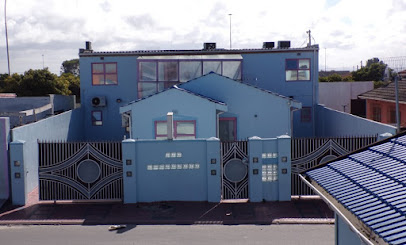
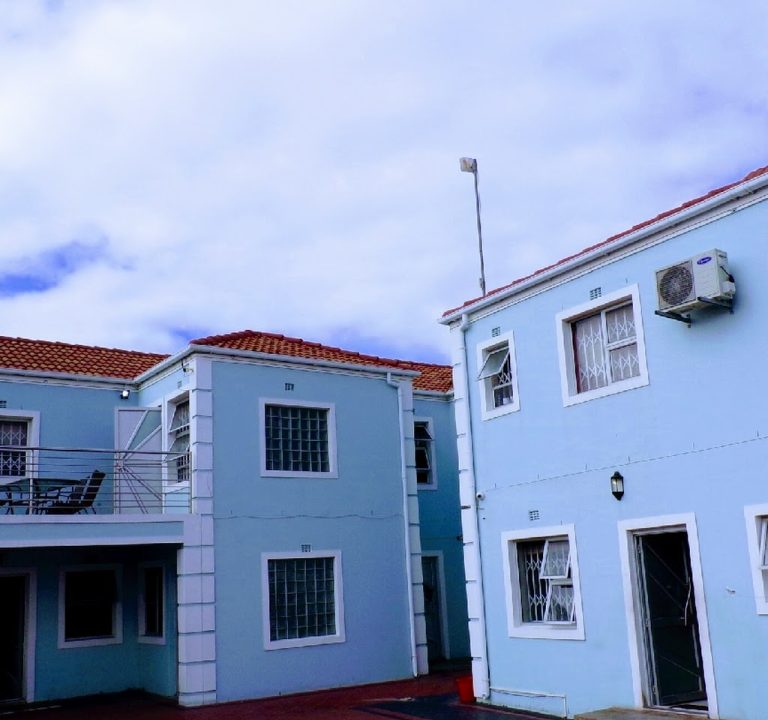
Ekhaya B&B is an example of the type of welcoming, home-from-home option that many travellers seek in Cape Town. While each property has its own character, B&Bs in the city often emphasise personal service, hearty breakfasts, and local tips from hosts. Booking early can secure rooms that offer convenient locations, ample daylight, and a friendly atmosphere, especially during peak travel seasons.
Areas to consider include:
- City Bowl and the central business district for walkers, eateries, and proximity to major attractions.
- The Atlantic Seaboard—encircling the coastline from Green Point to Camps Bay—for sea breezes, stylish dining, and scenic views.
- Nearby neighbourhoods such as Gardens, Tamboerskloof, and the Southern Suburbs for quiet streets, leafy settings, and easy access to the Constantia wine route.
- False Bay and the Peninsular side for a different landscape, with coastal villages and easy access to the Cape Point nature reserve.
What to look for when booking a stay. Consider the following practical points to help you choose with confidence:
- Layout and privacy: Check if rooms are ensuite, whether there are shared facilities, and how noise travels at night.
- Accessibility and transport: If you plan to use public transport or ride‑hailing services, look for locations near major bus routes or taxi stands. If you are driving, confirm parking availability and any charging options for electric vehicles.
- Safety and security: Seek properties with secure entrances, reliable lighting, and thoughtful us of keys or access codes after dark.
- Amenities: A generous breakfast, reliable Wi‑Fi, climate control, and a well‑equipped kitchenette can significantly improve comfort during a longer stay.
- Character vs convenience: Some guests prioritise stylish interiors and bespoke decor, while others value practical touches such as proximity to markets, beaches, or hiking trails.
- Cancellation terms: Understand flexibility in case travel plans shift, especially during shoulder seasons or when weather conditions are variable.
Typical amenities that travellers value in Cape Town include complimentary breakfast, private bathrooms, air conditioning or heating, and daily housekeeping. Many B&Bs and guesthouses pride themselves on friendly locals who can provide personalised itinerary suggestions—such as which beaches are best at different tides, or where to find sunset viewpoints. Some properties may offer experiences or partnerships with local guides, which can enhance your stay by revealing hidden corners of the city and its surroundings.
Transport and getting around. Cape Town’s geography encourages a mix of walking, taxi services, and car hires. In the city bowl and along the Atlantic Seaboard, rideshares are common and convenient, while a rental car becomes helpful for day trips to the Cape Winelands, the Cape Peninsula, or the Constantia Valley. If you prefer no driving, look for accommodation near a MyCiTi bus stop or a commuter rail station, which can connect you to major sights with minimal hassle.
Best time to visit and planning tips. Cape Town has a maritime climate with warm summers and mild winters. The peak season runs from late spring through early autumn, when daylight hours are longer and the city buzzes with outdoor events. If you favour quieter periods, consider late autumn or early spring when the weather is pleasant and crowds are thinner. Always check local calendars for harbour or market happenings, and be prepared for sudden changes in weather, especially along the coast. Pack a light waterproof layer for sea breezes and a sunhat and sunscreen for daytime sightseeing.
Where to base yourself for attractions and restaurants. The Waterfront area offers convenient access to harbour views and museum experiences, with a range of dining options along the pier and harbour promenade. The city centre gives quick access to cultural institutions, theatres, and historic sites, while the Atlantic Seaboard affords easy proximity to beaches, clifftop walks, and seafood-focused eateries. In the winelands, day trips can be paired with a countryside inn or guesthouse, allowing a restful finale to long days of tasting and touring.
Practical tips for a smooth stay:
- Book in advance for popular periods, but check cancellation terms so you can adapt plans if needed.
- Confirm access arrangements for late arrivals or early departures, particularly with smaller guesthouses.
- Request local recommendations for authentic dining experiences and offbeat viewpoints away from the standard tourist routes.
- Keep a light travel umbrella on hand, as Cape Town’s weather can be changeable, especially near the coast.
- Respect traffic patterns and peak-hour congestion; plan day trips to allow for travel time between sights and a relaxed pace in the evenings.
For more inspiration and practical planning, browse official tourism resources and reputable travel guides that offer up-to-date venue information, seasonal highlights, and current visitor tips. Whatever your preferred style of stay, Cape Town rewards thoughtful planning with a blend of scenery, culture, and hospitality that is hard to match.