Staying in Cape Town: Where to stay and what to do
Cape Town offers a diverse palette of accommodation, from intimate guesthouses and boutique lodges to modern hotels and self‑catering apartments. When planning a stay, think about how you want to spend your days, which neighbourhoods place you closest to the activities you value, and what level of privacy and service you prefer. The Western Cape’s famed harbour-side views, rugged coastlines, and mountain scenery mean there is something to suit every traveller, from first‑time visitors to seasoned explorers.
One useful approach is to split your stay into a few distinct areas. The V&A Waterfront and the central city (often simply “the City Bowl”) provide convenient access to dining, museums and guided tours, with easy access to hop‑on hop‑off routes and urban transport. Green, leafy suburbs such as Oranjezicht and Gardens offer charming guesthouses and boutique hotels within a short stroll of cafés and markets, while the Atlantic seaboard suburbs (including Camps Bay, Clifton, and the Camps Bay strip) deliver coastal ambience and easy access to beaches. For a more relaxed, residential vibe with easy road connections to the winelands and the cape peninsula, northern suburbs like Bellville and nearby enclaves can be convenient bases, especially for longer stays or family trips.”
As you browse, look for a few core amenities that make a stay smoother in Cape Town’s climate and layout. A reliable air‑con or heating system is useful across seasons; en‑suite bathrooms add convenience, while a well‑equipped kitchenette or access to a guest pantry helps with self‑catering days. A private or communal outdoor area can be a real bonus in pleasant weather. Clear information about parking options, access to public transport, and the availability of luggage storage can save you time between long days of sightseeing or hiking. Hosts who provide local tips, maps, and a curated list of activities often offer the most practical value for visitors unfamiliar with the city’s geography and traffic patterns.
Transport considerations are central to planning. Cape Town’s layout is spread out, and traffic can be congested, especially during peak morning and evening hours. If you plan to spend time along the Atlantic coast or out toward the Cape Peninsula, consider staying closer to main arterial routes or near fixed transport hubs. If you prefer a car‑free stay, look for properties near MyCiTi bus routes or within short walks of characterful districts with plenty of dining options and supermarkets. For day trips to places like the Cape Winelands or the Cape Peninsula, a mix of organised tours and self‑driven days often works well, with many guesthouses offering itinerary guidance or partnering with local operators.
The best time to visit Cape Town depends on your priorities. The dry season from roughly December to February offers long days, beach weather, and outdoor activities, but it is also peak tourist season. March to May offers cooler, mild days with fewer crowds, a good time for hiking and city exploration. The winter months (June to August) bring cooler, wetter weather and fantastic scenery from the side of Table Mountain after rain. Shoulder seasons can deliver pleasant conditions and calmer guesthouse experiences. When planning, check local event calendars for major festivals, markets, or sports fixtures that might affect availability and prices.
Accommodation types to consider include:
- Guesthouses and B&Bs that blend personalised service with a cosy, homely feel and often include breakfast.
- Boutique lodges and design‑led hotels that emphasise distinctive interiors, careful curations, and intimate atmospheres.
- Self‑catering apartments or cottages, ideal for families or longer stays where you want flexibility and independence.
- Longer‑stay apartments in residential areas such as Bellville or other northern suburbs for practical access to transport links and more economical options.
When booking, be attentive to location relative to your planned activities. If your focus is to explore iconic mountain views, beaches, and harbourculture, a base near the City Bowl or Atlantic Seaboard tends to cut down on driving time. If your goal is to explore the winelands or the Cape Peninsula with a more relaxed pace, a stay in a quieter suburb or a guesthouse with easy drive routes can be a smarter choice. Check reviews for practical details such as noise levels, flexibility with check‑in times, and the responsiveness of hosts in arranging activities or arranging airport transfers.
For food and dining, Cape Town’s culinary scene ranges from lively markets and casual eateries to fine‑dining spaces and family‑style bistros. Many guesthouses and lodges partner with local operators to offer curated experiences, such as a private sunset harbour cruise, a guided hike up Table Mountain, or a scenic drive along the coastal routes. In general terms, you’ll find excellent seafood, fusion fare, farm‑to‑table menus, and classic South African dishes that showcase local produce and wine regions. When planning meals, consider booking in advance for popular restaurants and exploring neighbourhood spots for a mix of casual lunches and evening dining.
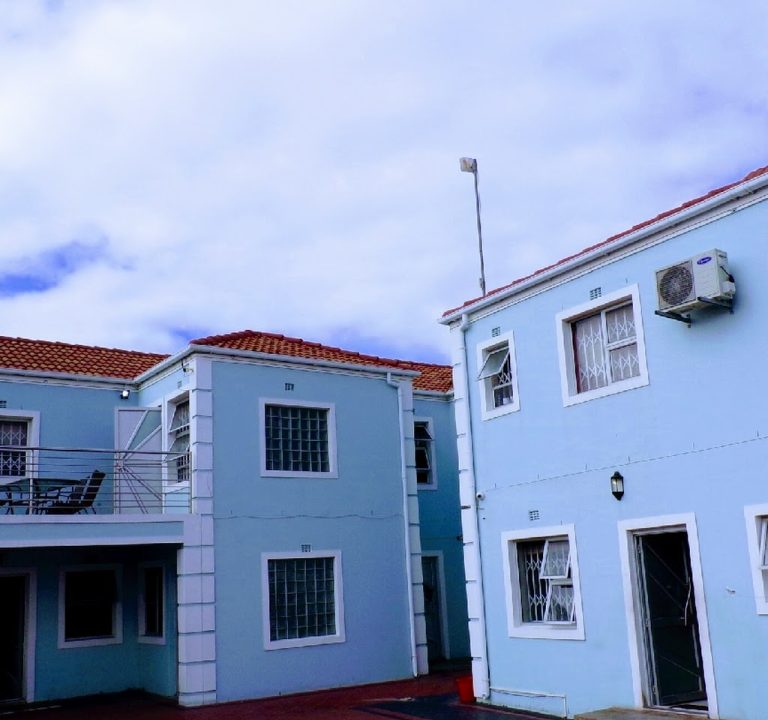
One practical example of lodging in the broader Cape Town area is a guesthouse in the Bellville region, known for its comfort and approachable services within easy reach of the northern suburbs’ transport links. Properties of this kind are suitable for travellers seeking a quieter home base with straightforward access to Cape Town’s wider attractions and day trips to the Winelands. If you are researching options, read host profiles carefully, and look for clear guidance on how to reach major routes and convenient stores or markets nearby.
Ultimately, planning a stay in Cape Town comes down to balancing location, comfort, and practical logistics with a sense of adventure. A well-chosen base ties together your days of mountain outings, beach walks, cultural experiences, and delectable meals, helping you make the most of the Western Cape’s unique landscape and hospitality. For further inspiration and practical planning resources, you may wish to visit official tourism sites and look for guest reviews that reflect similar itineraries and preferences to your own.