Discover Cape Town: where to stay, what to do, and how to plan your visit
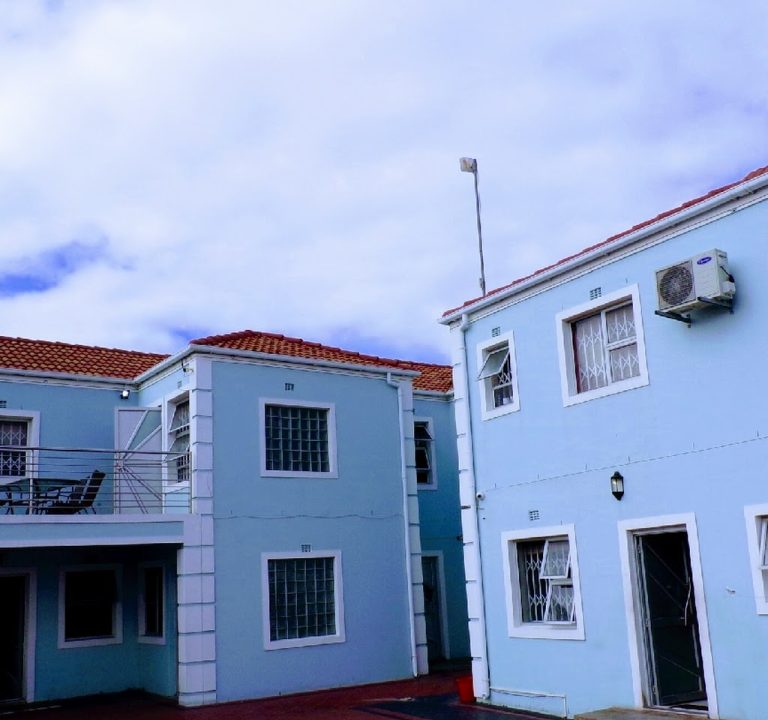
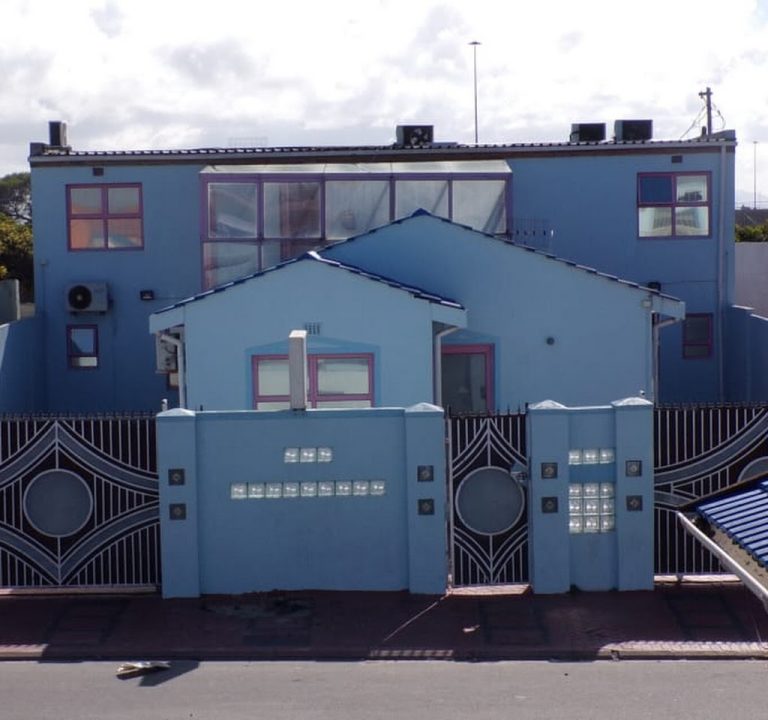
Cape Town blends dramatic landscapes with a wealth of hospitality options, from intimate bed and breakfasts tucked into colourful neighbourhoods to stylish seaside hotels with sweeping views. When planning a stay, consider the varied neighbourhoods and what you want from your trip: cosmopolitan city energy, easy access to beaches, or serene wine country on the doorstep of the city. Each area offers its own pace, amenities and character, helping you tailor your itinerary to your interests and budget.
In the City Bowl and the V&A Waterfront, you’ll find a concentration of boutique hotels, contemporary guesthouses and well-appointed self-catering apartments. These locations are excellent for first-time visitors who want to be within easy reach of attractions, dining and public transport. If you crave dramatic coastal scenery, the Atlantic Seaboard—areas such as Camps Bay and Clifton—delivers white sands and sunrise backdrops, with luxury and mid-range boutique stays that benefit from sea views and proximity to vibrant nightlife and acclaimed eateries. For a more relaxed, leafy escape, consider Constantia or the Southern Suburbs, where guesthouses and boutique hotels sit among vineyards, oak-lined streets and tranquil residential pockets.
Typical amenities you can expect in Cape Town’s accommodation include stylish ensuite bathrooms, reliable Wi‑Fi, air conditioning or heating, and generous breakfast options in B&Bs and guesthouses. Mid-range to upscale hotels frequently offer on-site restaurants, fitness facilities, and concierge services, while self-catering apartments provide the freedom to prepare meals and live at your own pace. When booking, check whether breakfast is included, if parking is available, and whether the property has easy access to public transport or a car hire desk. If you are visiting in peak season, consider properties with flexible cancellation policies and early booking discounts.
Transport is straightforward but varies by area. The MyCiTi bus network covers many tourist zones, including the city centre, the coast and the southern suburbs, and is a cost-effective way to move around. For more flexibility, pre-booked airport transfers or ride-hailing apps are convenient options. If you plan day trips to the Cape Winelands, Hermanus or the Cape Peninsula, a car can be very useful, though many areas around the Waterfront and the Atlantic Seaboard are walkable or reachable by short rides. If you enjoy scenic drives, plan for parking charges at popular viewpoints and be mindful of peak traffic times when planning excursions up Table Mountain or to Chapman’s Peak Drive.
The best time to visit Cape Town is from late August to November or February to April, when the weather is mild and crowd levels are more moderate. Summer (December to February) brings longer days and beach-friendly activities, but popular sites can be busy. Winter (June to August) is cooler and wetter, yet it can be a good time for fewer crowds and excellent conditions for exploring wine routes and indoor experiences at museums, galleries and cookery schools. Pack layers, a waterproof jacket, sunscreen and sturdy walking shoes to prepare for a mix of coastal breezes and mountain microclimates.
When planning sightseeing, think about combining these experiences: a cable-car or hiking morning to enjoy Table Mountain, a day trip to Kirstenbosch National Botanical Garden, and a memorable visit to the Cape Winelands for cellar doors and vineyard picnics. Robben Island and the district’s historic townships offer strong educational experiences about South Africa’s recent past, and guided tours can provide context and perspectives that enrich your stay. For nature lovers, the Cape Peninsula offers dramatic coastal scenery, including coastal walks, penguin colonies, and viewpoints where you can pause to take in the Atlantic horizons.
Food lovers will find Cape Town’s dining scene reflected in markets, casual bistros and fine-dining restaurants, with emphasis on seafood, sundowner-friendly spots, and seasonal produce from nearby farms. In many areas you’ll discover vibrant coffee shops, casual eateries and family-friendly venues in addition to more formal dining rooms. When planning meals, consider the time of day and the distance to your accommodation, especially if you prefer to return to the same base after a day out. A mix of breakfast included stays and convenient on-site dining can help structure your day without adding stress.
Optional quick tips to help you plan smoothly:
- Choose a base near the activities you value most—beaches, city sights, or wine country—to minimise long transfers.
- Read recent guest reviews for insights on noise levels, cleanliness, and staff helpfulness, especially if you’re travelling during peak periods.
- Check access to public transport and parking arrangements to reduce daily stress.
- Account for weather variability; coastal areas can be breezy and cooler even on sunny days.
- Budget for day trips, tours and guided experiences that add depth to your visit without relying solely on self-guided plans.
With its diverse landscapes, Cape Town offers a versatile stay for every type of traveller. Whether you choose a coastal escape, a central-base in a buzzing neighbourhood, or a tranquil winery retreat, you’ll find comfortable hospitality, memorable dining, and a wealth of activities to suit a wide range of interests. Plan ahead, balance your days with scenic viewpoints and cultural experiences, and you’ll be rewarded with a well-rounded South African escape that captures the city’s unique blend of natural beauty and urban vitality. For further planning resources and inspiration, you can explore official tourism sites and reputable travel guides to tailor your itinerary to the season and your preferred pace.