Accommodation and Things to Do in Cape Town: A Practical Guide for Visitors
Cape Town sits at the edge of Africa’s southern tip, framed by the iconic Table Mountain and set against a coastline that ranges from sparkling city beaches to rugged coast. When planning a stay, consider how you want to balance ease of access to sights with a neighbourhood atmosphere that suits your style. Whether you prefer a chic hotel in the City Bowl, a seaside apartment in Camps Bay, or a historic guesthouse in Bo-Kaap, there are options to fit a wide range of budgets and itineraries.
Areas to consider
- City Bowl and the Central CBD: Ideal if you want walkable access to museums, theatres and notable eateries, with many hotels and stylish guesthouses offering easy transit to other districts.
- South Africa’s Atlantic Seaboard (Camps Bay, Clifton, Sea Point): Known for dramatic ocean views, long beaches and a vibrant café culture. Perfect for beach lovers and sunset watchers, with several luxury and mid-range options.
- Constantia and the Constantia Valley: A green, wine-country ambience close to forested hikes and world-class dining; great for slower-paced holidays and family stays.
- Woodstock and Salt River: Up-and-coming neighbourhoods for more affordable stays, with heritage architecture and a thriving arts and food scene.
- De Waterkant and Green Point: A lively mix of modern hotels and guesthouses, close to the V&A Waterfront and major city sights, while offering a cosmopolitan vibe.
What to look for when booking
- Location relative to your must-see sights and planned activities. Proximity to MyCiTi bus routes or a reliable transfer service can save time on busy days.
- Type of accommodation: hotels for curated service and facilities; guesthouses and B&Bs for character and personalised attention; self-catering flats for flexibility and longer stays.
- Amenities and services: reliable Wi‑Fi, air conditioning, secure parking if you’ll hire a car, ensuite bathrooms, on-site dining, and reception hours for assistance.
- Room configurations: double rooms for couples, family rooms with extra beds, or apartments with separate living spaces for groups.
- Cancellation policy and inclusions: flexible terms can be valuable when weather or schedules are uncertain.
Typical amenities and practical tips
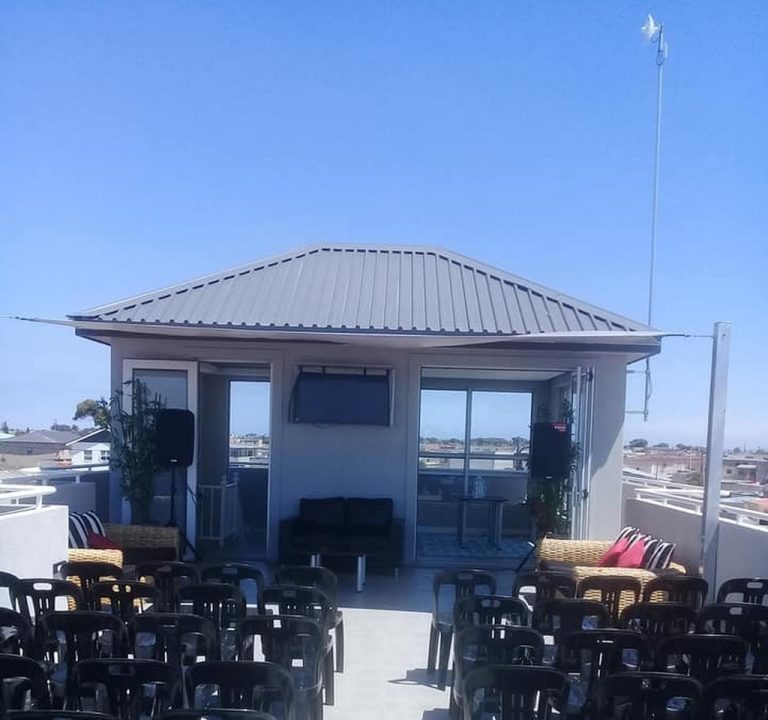
Many accommodation options in Cape Town offer a blend of comfort and convenience. Expect well-equipped en-suite bathrooms, quality bedding, and dependable housekeeping. In fixed-dated city properties you may find libraries, lounges, or rooftop spaces with views. For longer stays, self-catering apartments might include kitchen facilities and laundry access, making it easier to settle in and manage meals.
Transport and getting around
Public transport options include the MyCiTi bus system, which is reliable in many parts of the city centre and along the Atlantic Seaboard, with regular services to the northern neighbourhoods and beaches. Uber and other ride-hailing services are widely available, often convenient for evening outings or travel to hilly districts. If you plan to explore beyond the city, renting a car gives you flexibility to visit wine routes, nature reserves, and scenic viewpoints at your own pace. Some hotels and guesthouses offer shuttle services or partnerships with local tour operators for day trips.
Best time to visit
Cape Town enjoys mild winters and warm summers, but the weather can change quickly. The summer months (roughly November to February) bring longer days and more outdoor activity, ideal for beaches and coastal walks, but can also be busy and pricier. Shoulder seasons—spring and autumn—often provide pleasant temperatures, quieter attractions, and good value. Winter (June to August) brings cooler, wetter conditions, yet it’s a good period for city culture, galleries, and occasional sunny days in between showers. Packing a light, waterproof jacket and comfortable walking footwear is wise year-round.
What to do and where to eat in general terms
During your stay, you can combine natural scenery, city culture and culinary experiences. Iconic viewpoints and beaches are easy to reach from central bases, while guided tours can open doors to Table Mountain vantage points, nature reserves, and the city’s historic districts. Restaurants span casual cafés to fine dining, with menus that emphasise fresh seafood, seasonal produce and flavours influenced by local culture. Many neighbourhoods host lively markets, creative hubs, and family-friendly spaces where you can sample regional fare and handmade goods.
Practical planning notes
Reserve your accommodation well in advance for peak season and major events. Read recent guest reviews to gauge consistency in cleanliness, service, and quietness. When you arrive, take a quick stroll or taxi ride to confirm your route to the city’s highlights and dining options. For longer visits, consider mixing a few nights in different areas to experience both beachside calm and urban vibrancy. If you have mobility considerations, check access features in advance, such as lifts, ramps, or ground-floor rooms. Always check the cancellation policy and any local advisories prior to arrival so you can adjust plans smoothly.
Finally, a well-planned stay in Cape Town blends comfortable accommodation with varied activities. From sheltered balconies overlooking the ocean to central courtyards that invite a glass of local wine, the city offers a memorable backdrop for exploring cuisine, culture and coastline. For ideas on places to stay and routes to explore, you can visit established travel guides or the websites of individual hotels and guesthouses to tailor your itinerary to your own pace and interests.