Where to Stay and What to Do in Cape Town: A Guide to Accommodation and Local Experiences
Cape Town combines dramatic landscape with a welcoming hospitality scene, making it easy to design a stay that suits both city buzz and outdoor adventure. From self‑catering escapes to boutique guesthouses and larger hotels, the city offers a range of options to fit different budgets and travel styles. A well‑planned itinerary can balance restful nights with day trips to iconic viewpoints, historic sites and vibrant neighbourhoods.
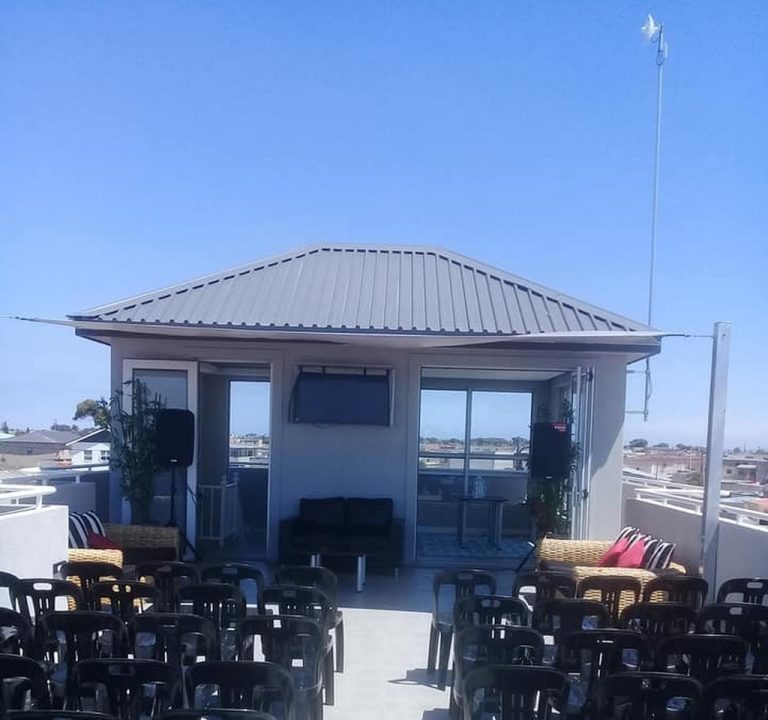
When choosing where to stay, think about how you want to move around. The Atlantic Seaboard and the popular City Bowl areas place visitors within easy reach of beaches, restaurants and viewpoints, while the Constantia Valley and nearby wine routes offer a calmer base with easy access to nature and wine experiences. If comfort and flexibility are priorities, a self‑catering option such as Hlubi’s Self Catering Accommodation can provide home‑from‑home facilities that are handy for families or groups, allowing you to tailor meals and schedules to your plans.
Key areas to consider include:
- The City Bowl and Tamboerskloof, offering central access to Cape Town’s historic landmarks, markets and nightlife.
- The Atlantic Seaboard (Green Point, Sea Point, and Camps Bay), known for ocean views, promenades and a lively dining scene.
- Stellenbosch and the Winelands region for day trips centred on wine estates, gourmet restaurants and scenic countryside.
- Constantia for a peaceful retreat close to nature, with easy access to hiking trails and historic estates.
Typical amenities to look for when booking include reliable Wi‑Fi, secure parking, and a healthy balance between privacy and staff assistance. Self‑catering properties are particularly popular for longer stays or families, offering well‑equipped kitchens, lounge areas and laundry facilities. Guesthouses and boutique hotels frequently provide daily housekeeping, on‑site dining options, and personalised recommendations for local activities. For travellers planning a longer stay, consider units with separate living spaces, flexible check‑in arrangements, and proximity to convenient transport links.
Transport options in Cape Town are varied. The MyCiTi bus service covers many popular routes, including connections to the city centre and the beaches, while the MyCiTi rail network can help reduce hops between neighbourhoods. Renting a car is common for exploring beyond central Cape Town, particularly if you plan to visit the Winelands or nature reserves. For those prioritising traffic-free days, staying near a major transport hub or in a pedestrian‑friendly neighbourhood can simplify your plans.
Best time to visit Cape Town depends on what you seek. Spring (September to November) brings milder weather and blooming gardens, while autumn (March to May) offers comfortable temperatures and fewer crowds. Summer (December to February) is lively, with longer days and ideal beach conditions, though popular areas can be busy. Winter (June to August) is cooler and rainier, but the surrounding mountains and valleys take on a dramatic charm, and there are often excellent value stays to be found.
Planning a balanced itinerary helps you enjoy both the scenery and the culture. Top natural highlights include the city’s iconic viewpoints and coastal trails, with Table Mountain and its cable car being an enduring drawing card. The peninsula features beaches, tidal pools and coastal walks that reveal the area’s rugged beauty. For a deeper sense of Cape Town’s history and communities, consider guided tours that cover Nelson Mandela legacy sites and the region’s diverse neighbourhoods, alongside harbour and waterfront experiences that showcase maritime heritage and contemporary cuisine.
Alongside outdoor adventures, Cape Town’s food scene offers a wide range of eateries, from casual markets and neighbourhood cafés to refined dining rooms. Visitors typically enjoy seafood by the coast, modern interpretations of traditional flavours, and international cuisines that reflect the city’s cosmopolitan character. When choosing restaurants, look for venues that prioritise fresh ingredients and a sense of place, whether it is a hillside bistro with ocean views, a bustling market stall, or a family‑run inn serving homely favourites. It is common to book ahead for popular spots, especially during peak travel periods.
Practical tips to maximise your stay:
- Book accommodation with clear information on security, access hours, and staff availability, especially if you plan early starts for sunrise viewpoints.
- Check the area’s walkability and transport options to your planned activities, as some evenings may require a short drive or ride share to restaurants and nightlife.
- Pack layers for variable weather, particularly in coastal or elevated areas where conditions can change quickly.
- Consider a light itinerary with flexible days—Cape Town rewards spontaneous exploration, whether it’s discovering a hidden coffee shop, a coastal path, or a local market.
- Look for properties offering guest information packs with maps, suggested routes, and up‑to‑date tips on safety and local etiquette.
In sum, Cape Town invites visitors to tailor a stay that blends natural beauty, cultural encounters and culinary adventures. From well‑appointed self‑catering options to stylish hotels and welcoming guesthouses, the city supports a journey that can be as relaxed or as active as you wish. With thoughtful planning around area choice, transport, and timing, your visit to the Western Cape can be both memorable and comfortably aligned with your travel style.