Cape Town: accommodation planning, attractions and dining for a memorable stay
Cape Town offers a diverse tapestry of neighbourhoods and lodging styles, from harbour-side guest houses to stylish boutique hotels and family-run B&Bs. When planning a stay, it helps to select a base that aligns with your priorities—whether you want dramatic coastal scenery, easy access to iconic viewpoints, or a quieter village feel close to nature. A well-chosen base can cut transit time and maximise your experience of the city and the surrounding region.
Key areas to consider include the City Bowl for easy city access, the V&A Waterfront for harbour walks and close proximity to museums, and the Atlantic Seaboard for dramatic coastline and sunsets. If you seek a leafy, tranquil atmosphere just outside the city, Constantia or the Southern Suburbs offer generously sized properties with easy access to wine routes and mountain trails. For a more rugged small‑town vibe, coastal towns along the False Bay and Peninsula routes provide a different pace while still keeping you within reach of Cape Town’s main sights. When selecting accommodation, think about the convenience of transport links, parking arrangements, and whether breakfast is included or available nearby.
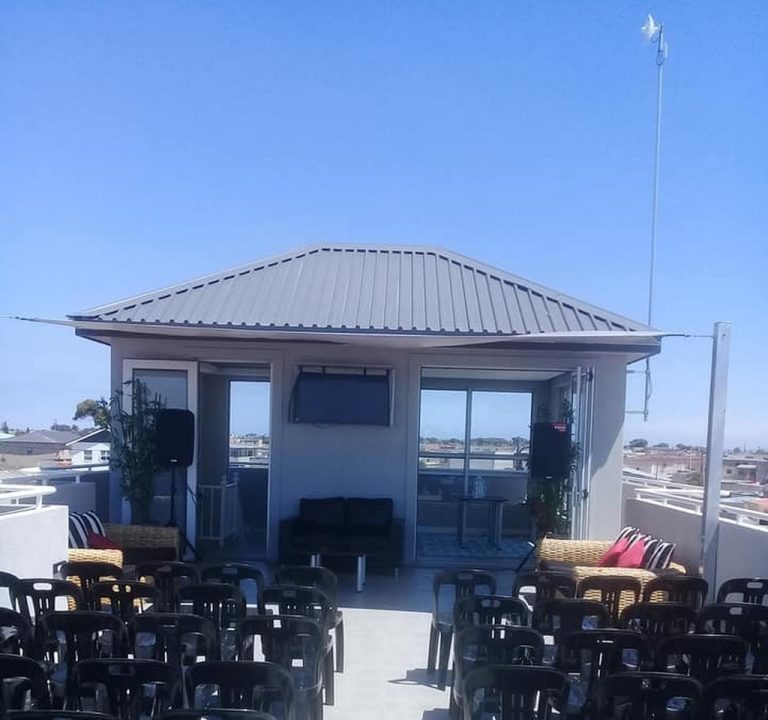
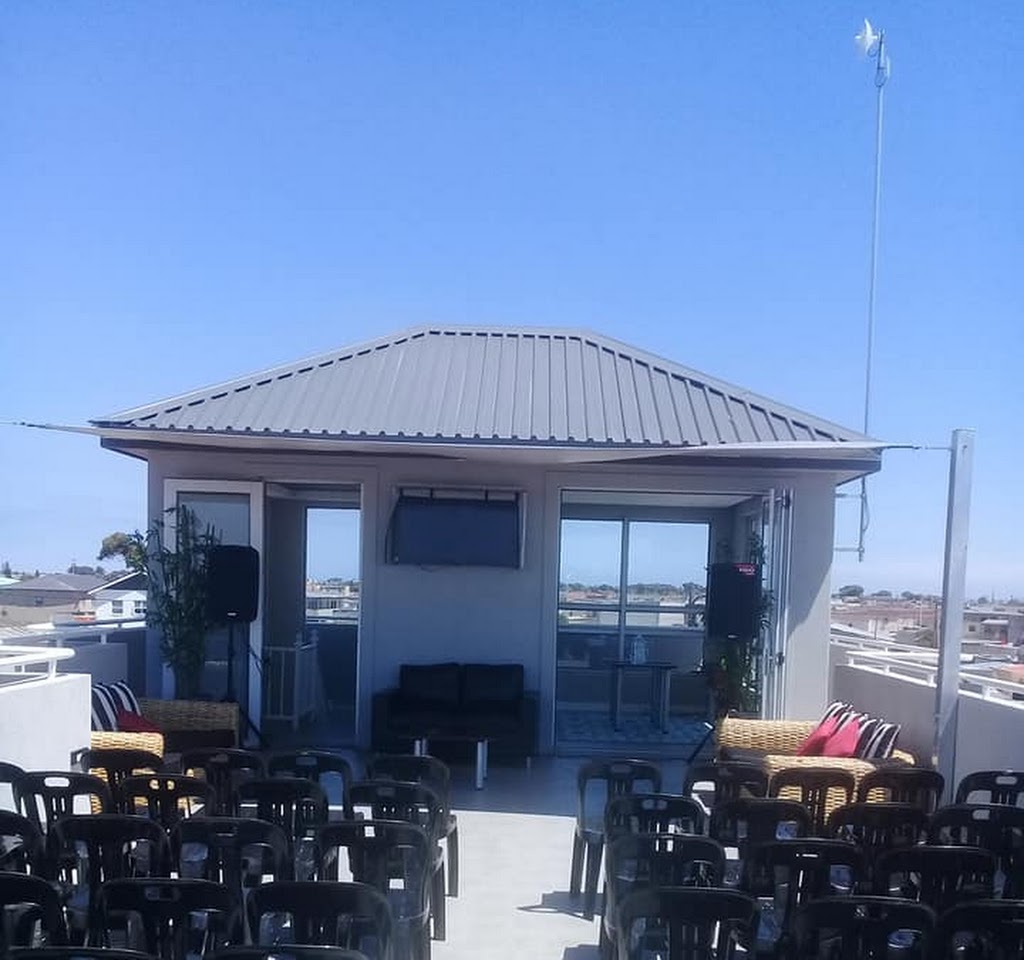
Typical amenities to look for include en‑suite bathrooms, reliable Wi‑Fi, secure parking, and 24‑hour reception or on-site staff who can assist with tours and taxis. A guest house or boutique hotel will often deliver a more homely feel with personalised service, while larger hotels may offer on-site dining, wellness facilities, and flexible breakfast timings. If you are visiting during peak seasons, a written confirmation of room type and any breakfast restrictions can help manage expectations. For travellers who enjoy outdoor living, a property with a courtyard, pool, or panoramic views can be a real bonus, especially in warmer weather.
Transport is a practical consideration in Cape Town. The MyCiTi rapid bus network covers many tourist areas, though some routes are best suited to city-centre stays. Rideshare services and reputable car hire provide flexibility for trips to the Cape Peninsula, Stellenbosch, or Simon’s Town. If you plan to visit wine estates or remote viewpoints, having access to private transport or guided tours can save time and simplify logistics. For some travellers, a lodging with on-site parking or easy street parking is a wise choice, particularly if you intend to explore at dawn or dusk when parking can be tighter in busy areas.
The best time to visit Cape Town generally runs from late spring to early autumn, with October to December offering longer daylight hours and vibrant city life. Summer can be busy, so booking well in advance is advisable. Winter (June to August) is cooler and wetter but less crowded, with occasional dramatic skies and comfortable indoor dining experiences. Shoulder seasons can be excellent for scenery, wildlife sightings, and lower prices on accommodation. If you’re aiming to combine a stay with a visit to the Winelands or coastal drives, plan at least a few days to enjoy both the city and the surrounding countryside.
Dining and attractions form a key part of any Cape Town itinerary. In the city, you’ll find a spectrum of eateries ranging from informal cafés to refined tasting menus, with strong emphasis on fresh seafood, grilled meats, and vibrant vegetable dishes. For a balanced day, pair a morning of table-top adventures or a beachfront stroll with a leisurely lunch or late afternoon wine tasting. Iconic natural highlights include a cable-car ascent to Table Mountain, a scenic drive along the Atlantic coast, and a visit to nature reserves or botanical gardens. Cultural experiences and museums beneath the mountain offer additional context to the city’s rich history. For inspiration, many guests choose to pair guided harbour walks, coastal hikes, or a day trip to the Cape Winelands with a restful stay at a guest house or boutique hotel.
If you are considering an example of a guest house in the area, you might explore options such as Sondela b&b, which maintains a focus on guest experiences and local hospitality. For more information, you can visit their site at sondelabedandbreakfast.wordpress.com.
- Location and accessibility: proximity to main sights, safety of the neighbourhood, and ease of transport
- Amenities: ensuite facilities, breakfast service, Wi‑Fi quality, parking
- Room configuration and flexibility: number of beds, quiet rooms, and suitability for families or groups
- Guest services: helpful staff, tour desk, airport or station shuttle options
- Dining and sustainability: on-site meals, local produce, and waste reduction practices
Practical tips for a smooth stay: book early during peak periods, confirm breakfast times and any dietary considerations, and check cancellation policies. Pack layers for variable coastal weather and comfortable walking shoes for hilly streets and coastal walks. Use powered hotel or guest house recommendations to plan day trips—whether a scenic coastal drive, a wine‑route excursion, or a guided hike in the hills behind the city. Finally, respect local wildlife and natural spaces by following marked paths and mindful travel practices, ensuring that your Cape Town visit remains enjoyable and sustainable for both visitors and residents.