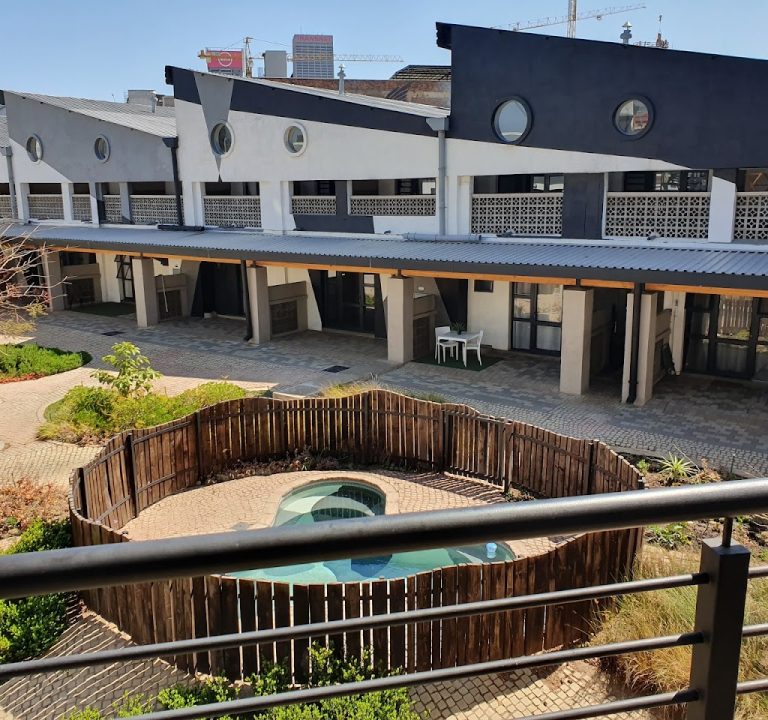
Accommodation and Experiences in Johannesburg, Gauteng
Johannesburg, affectionately known as Jo’burg or Jozi, is a sprawling city of contrasts that offers a wide range of places to stay and things to do. When planning a visit, think about the area that best fits your interests, whether you want a chic urban ambience in the city centre, a leafy suburb with easy access to business hubs, or a vibrant neighbourhood celebrated for culture and cuisine. Booking in advance is wise during peak seasons, but there are plenty of options for spontaneous travellers too, from polished business hotels to characterful guesthouses and self‑catering apartments.
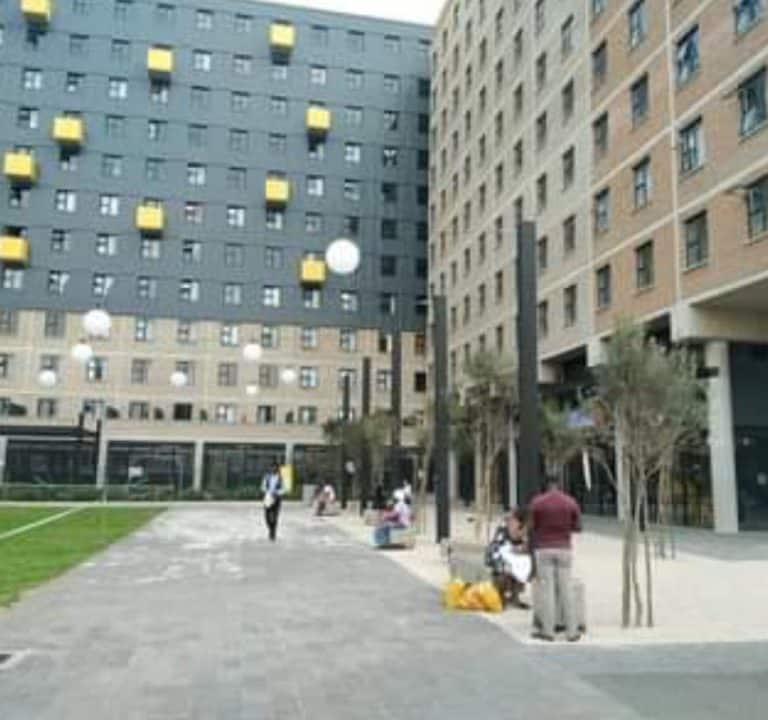
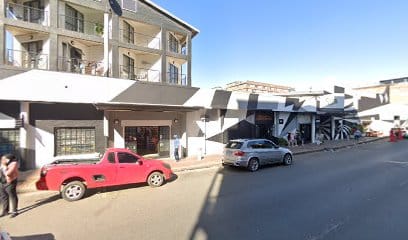
Areas to consider for accommodation include the central business district and the northern suburbs, where modern high‑rise hotels and stylish boutique properties cluster around major transport links. Sandton is a well‑established hub for business travellers and shoppers, offering upscale hotels with comprehensive facilities. Rosebank and Melrose Arch provide a mix of boutique stays and contemporary properties, often within a short stroll of markets, cafés and reliable public transport. For a more artistic and diverse vibe, Maboneng Precinct and neighbouring areas offer apartment‑style stays with easy access to galleries, rooftop bars and street‑level dining. If you’d prefer a quieter, residential feel close to nature, northern suburbs and areas near the hills offer guesthouses and boutique hotels set in leafy streets, easy drives to museums and parkland, and a more relaxed pace.
Typical amenities you can expect include secure parking or organised airport transfers, 24‑hour reception or on‑siteConcierge, complimentary Wi‑Fi, and sometimes breakfast or full board options. Many properties offer business facilities such as meeting rooms, work desks in rooms, and reliable power supply with back‑up generators, which can be a practical consideration in power‑challenged periods. For families, look for suites or interconnecting rooms, child‑friendly menus in on‑site restaurants, and easy access to attractions with minimal long drives between sites.
Transport in Johannesburg is varied, and most visitors rely on a mix of private taxis, ridesharing apps, and car hire. The city’s Gautrain network links Johannesburg, Pretoria, and O.R. Tambo International Airport with rapid, efficient rail travel, though services in the city can be busy during peak times. If you plan to explore broadly, staying near a Gautrail station or a major bus route can save time. Many hotels also offer shuttle services to key business districts or shopping complexes. For guests who prefer not to drive, consider a centrally located hotel or guesthouse with easy access to taxi services and short walks to public transport hubs.
Best time to visit Johannesburg depends on your priorities. The winter months (May to August) are cooler and dry, often very pleasant for city sightseeing and outdoor markets. Spring and autumn offer mild days for strolling through parks or visiting open‑air markets. If you’re keen on wildlife day trips or cultural festivals, plan a few days to explore beyond the city centre, including nearby nature reserves or heritage sites. The city’s climate is generally sunny, but late summer can bring sudden showers, so it’s wise to have a light雨proof layer and plan indoor activities as backup.
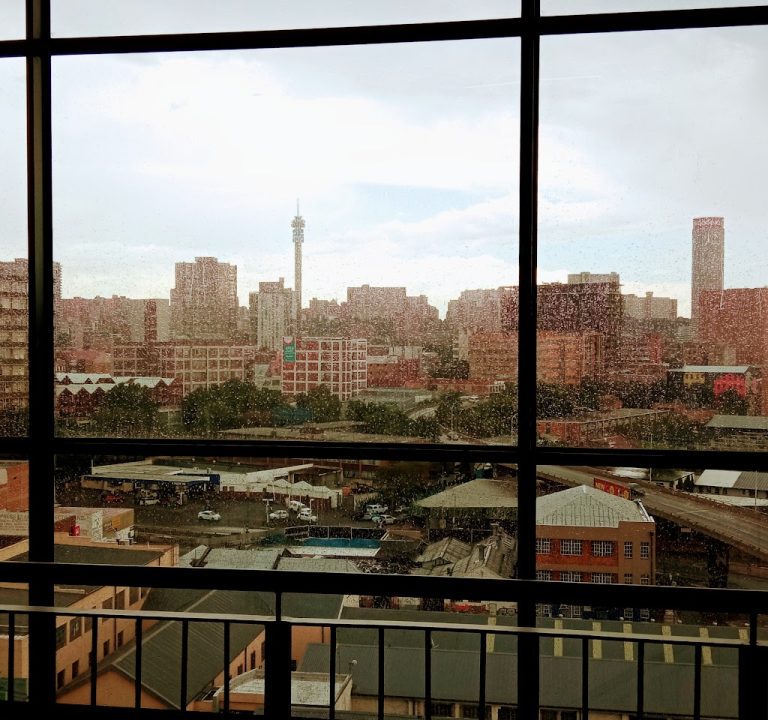
Attractions and experiences span history, art, and contemporary culture. Thoughtful visitors allocate time for world‑class museums and memorial sites that reflect South Africa’s complex past, as well as modern art galleries, culinary scenes, and lively urban districts. Practical planning tips: set aside a day or two to explore a historic site or museum, then dedicate time to neighbourhood strolls, markets, and distinctive eateries. It’s worth reserving a restaurant experience or a guided walking tour to gain insights into the city’s dynamics, architecture, and street life. For families and groups, consider a balanced itinerary that combines cultural stops with lighter experiences such as parks or city viewpoints for sunset vistas.
Dining in Johannesburg reflects its cosmopolitan make‑up: there are myriad options ranging from classic South African cuisine to international menus and contemporary fusion plates. In general, look for venues offering a mix of local ingredients and seasonal dishes. For a relaxing evening, choose restaurants with a comfortable ambience, good value set menus, and servers who can guide you through regional wines and craft beers. Those staying in central or trendy northern suburbs often find a vibrant bar and dining scene within easy reach, sometimes with outdoor seating and live music on certain nights. Checking recent guest reviews can be helpful when selecting a restaurant, as experiences vary with seasons and openings.
Practical tips for a smooth stay include confirming accessibility features if needed, checking for security measures in the neighbourhood, and ensuring your accommodation has reliable wi‑fi and adequate climate control. Pack a universal adaptor, as South Africa uses a combination of plug types. If you plan to drive, enquire about parking policies and safe parking options, especially in dense urban areas. Budget travellers might consider serviced apartments or guesthouses that offer kitchen facilities, providing flexibility and potential savings on meals. Finally, when selecting a place to stay, prioritise properties with clear cancellation policies, transparent terms, and hosts or staff who can provide local recommendations for safe, enjoyable experiences in the city.
- Useful resources: consider consulting official tourism sites for the Gauteng region and Johannesburg city information to tailor your itinerary, transport options, and event calendars.