Accommodation and Attractions in Johannesburg, Gauteng: A Practical Guide for Travellers
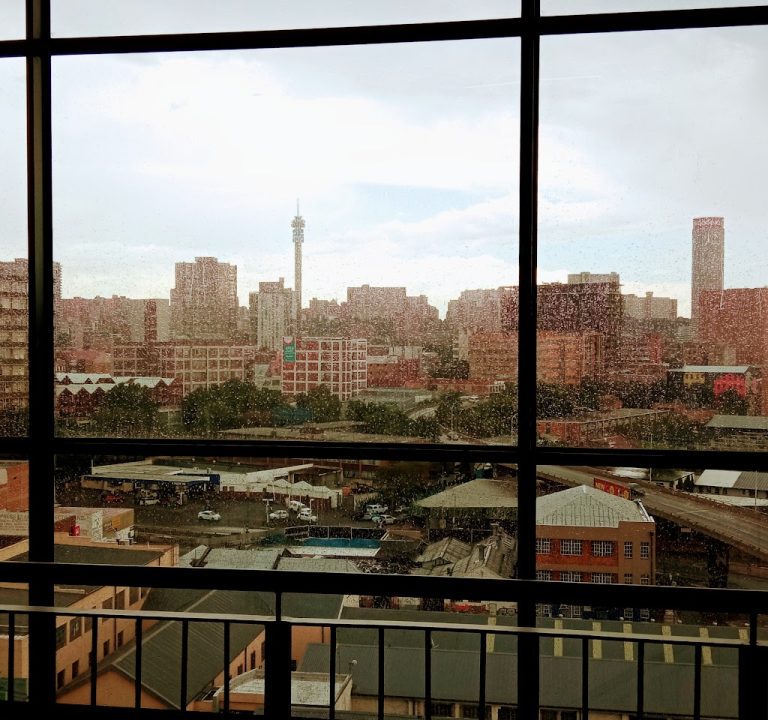
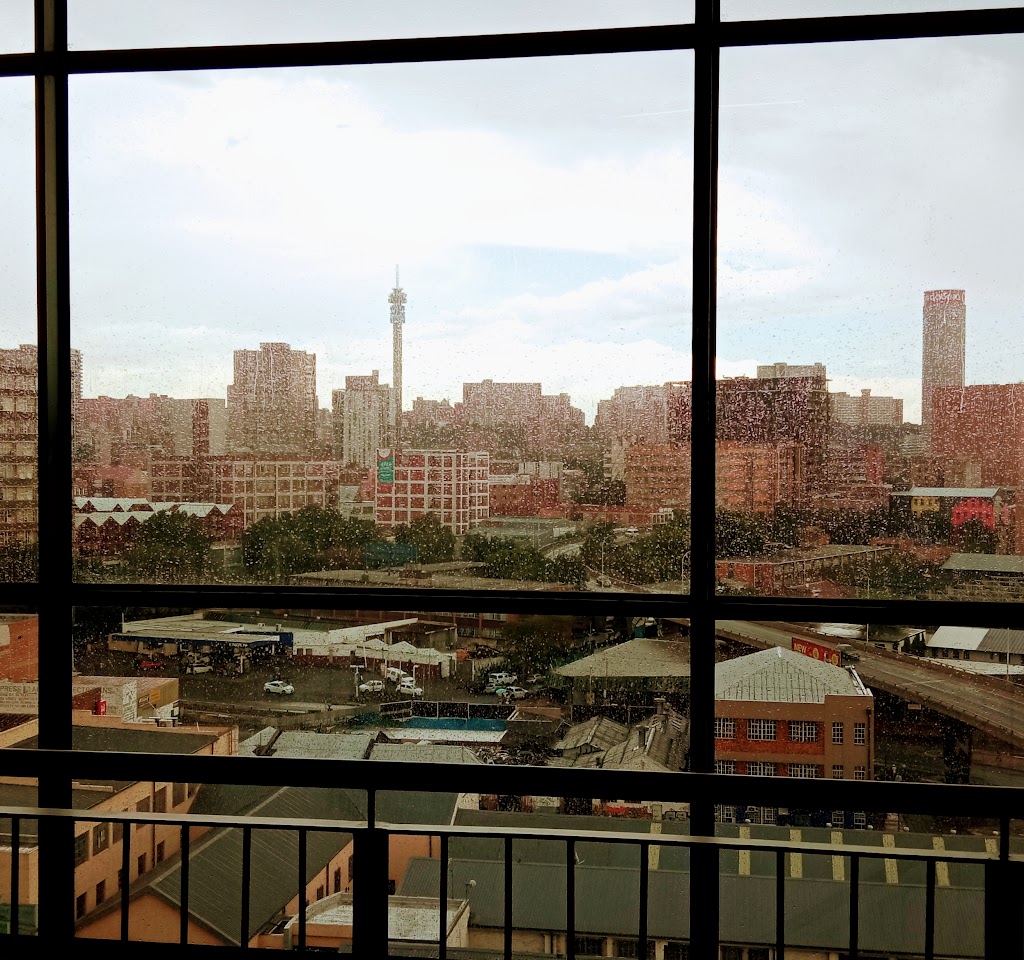
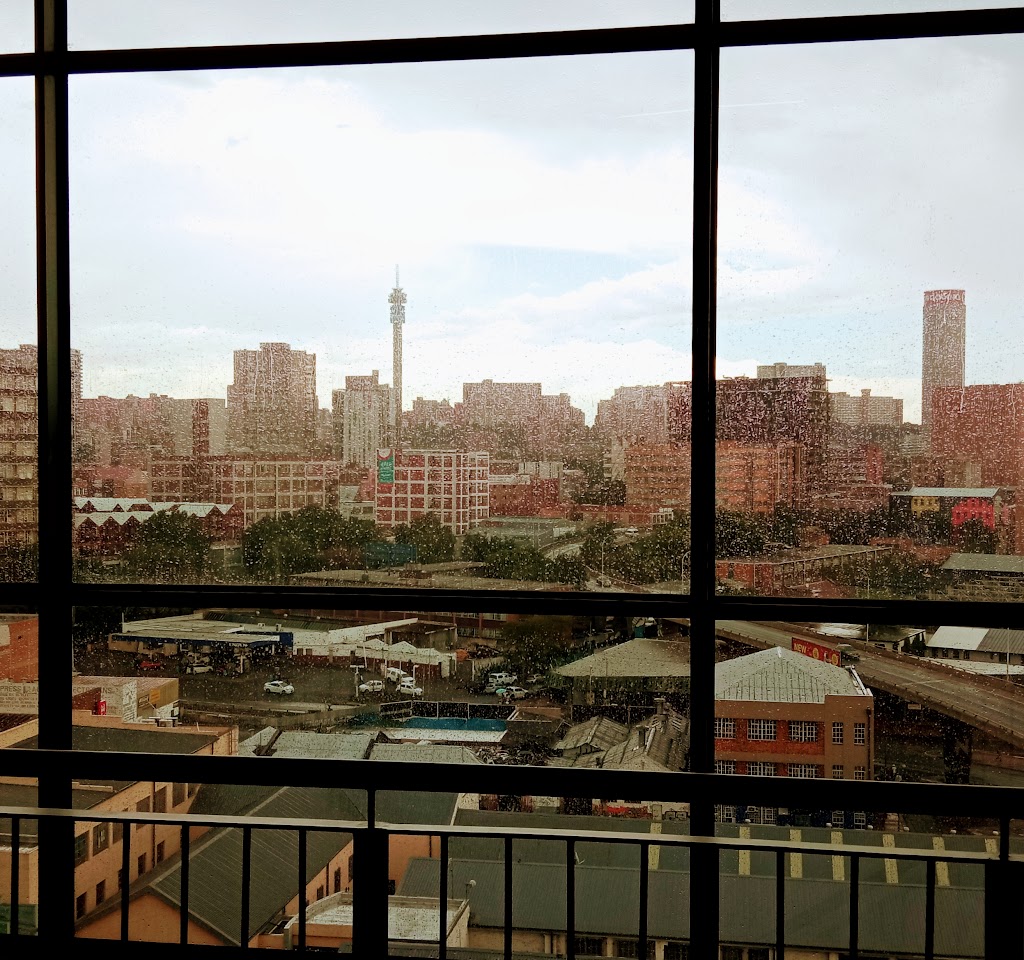
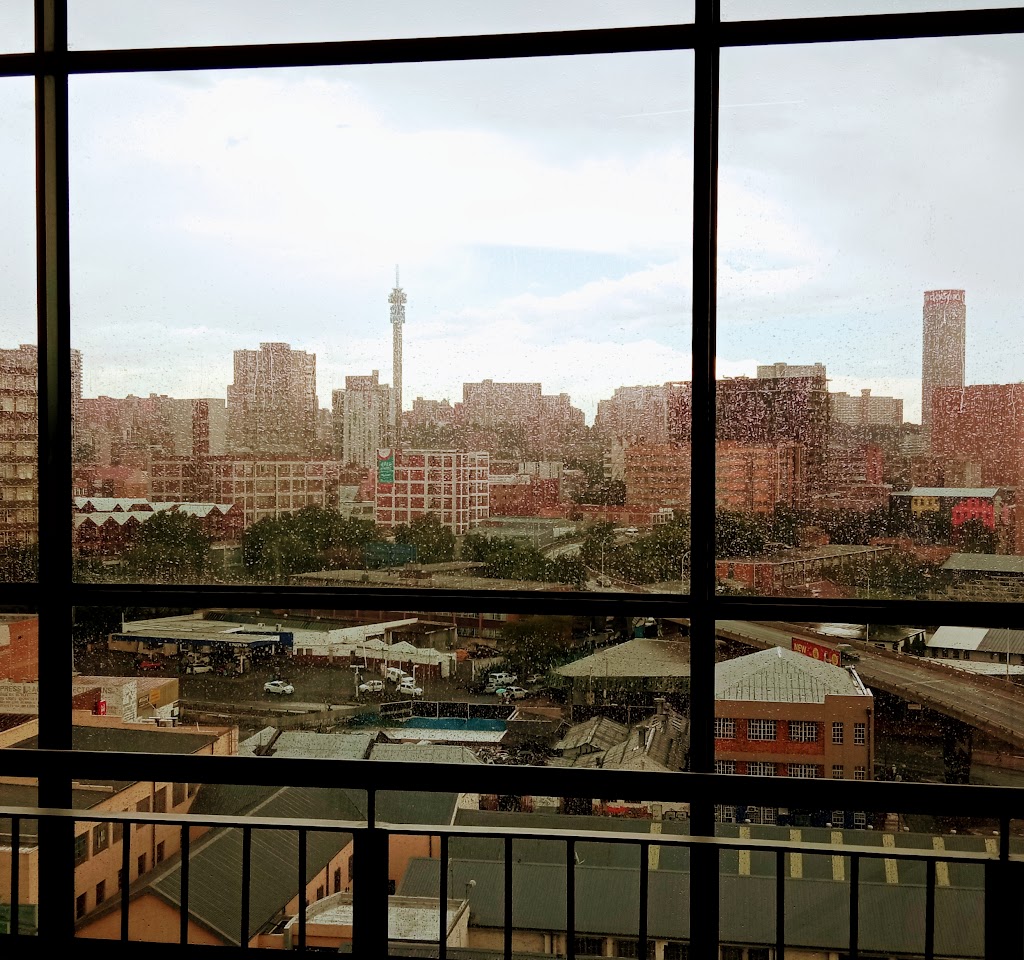
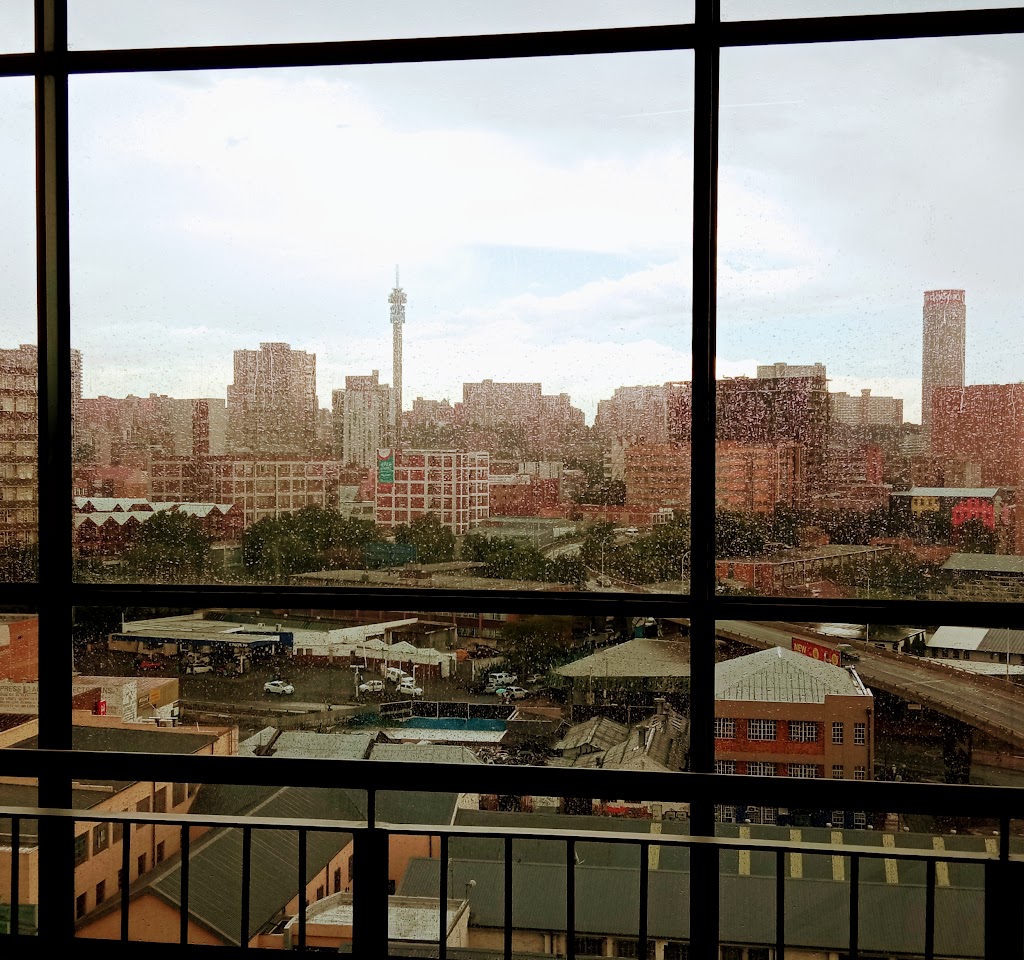
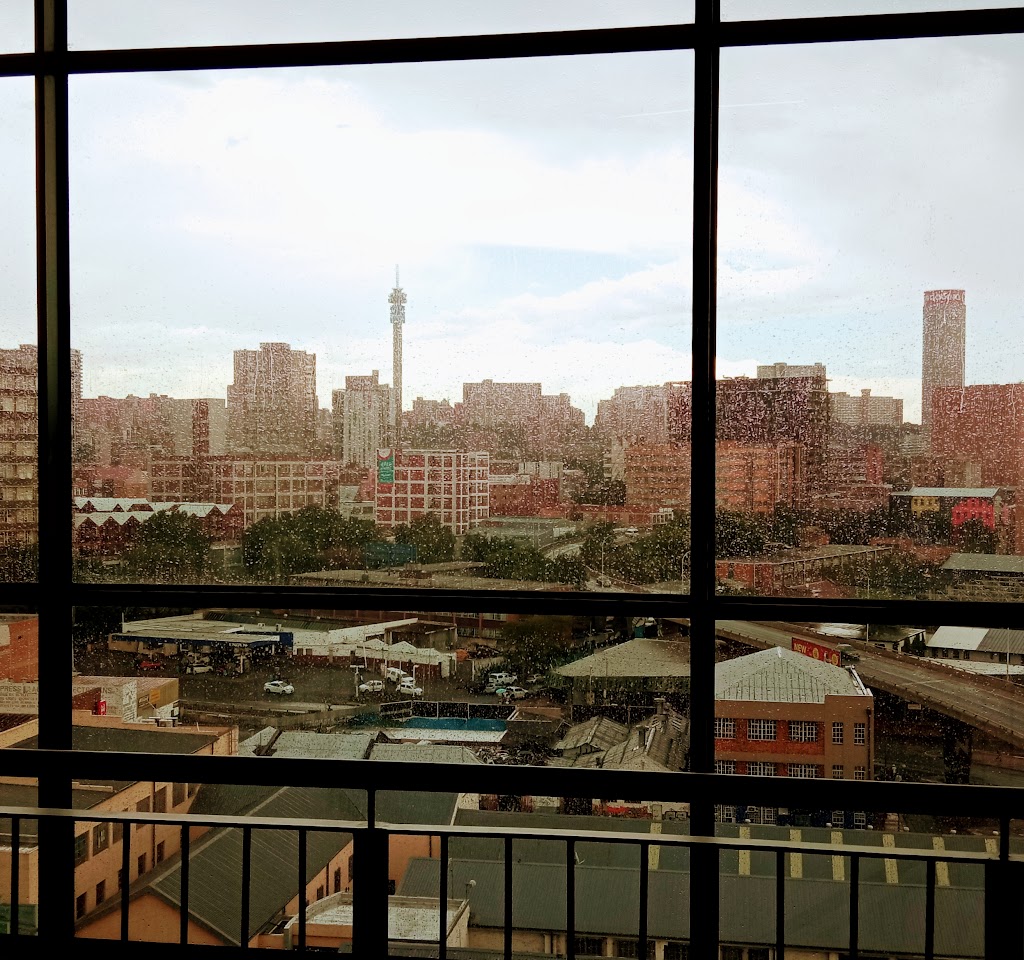
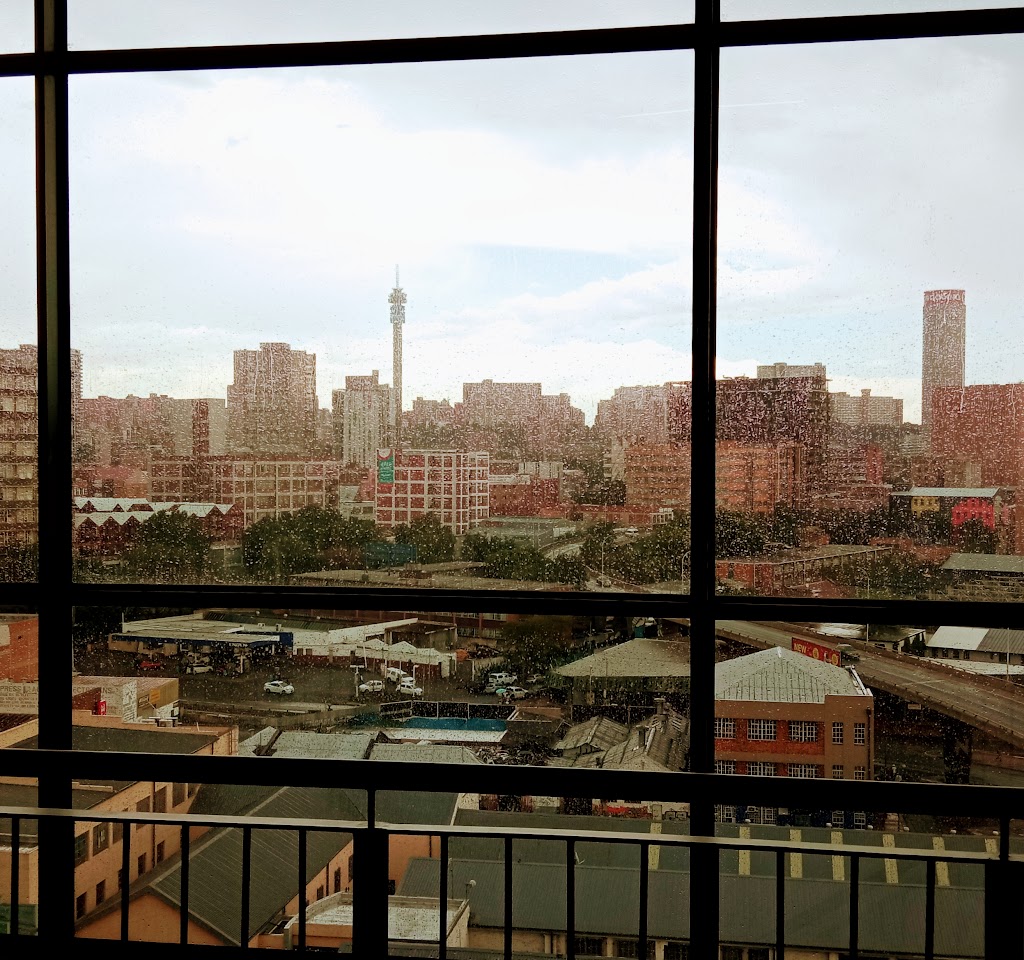
Johannesburg, often affectionately called Jo’burg or Joburg, is a dynamic gateway to South Africa’s vast northern interior. When planning a stay, travellers typically balance convenient access to sights with the character of a neighbourhood. The city offers a mix of modern hotels, boutique guesthouses, and stylish boutique apartments, many of which place guests within easy reach of Johannesburg’s culture, dining, and business hubs. Areas such as the northern suburbs, the central city core and the lively precincts around Maboneng and Braamfontein provide distinct vibes and different value propositions for the visitor.
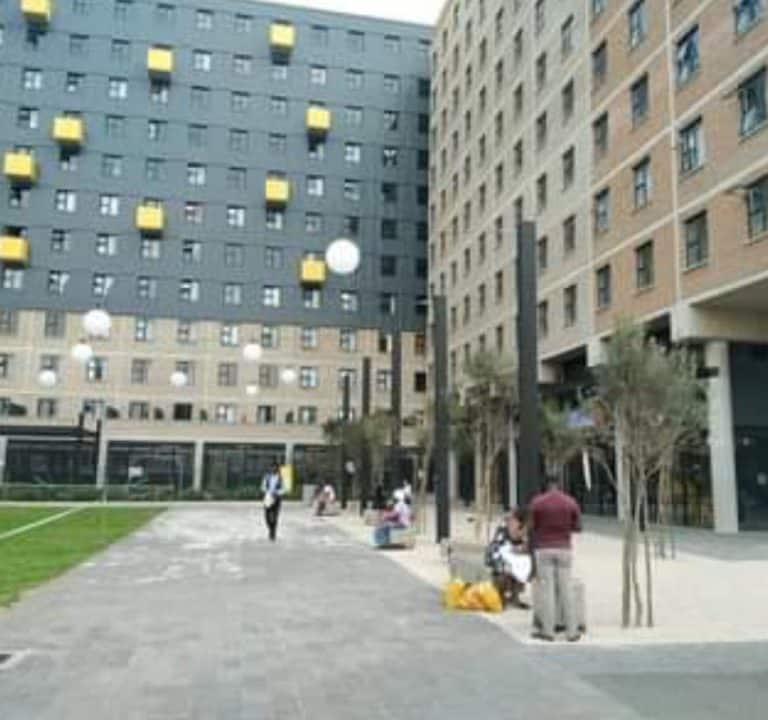
In terms of accommodation, you will find options that span sleek, contemporary hotels with extensive facilities, guesthouses with personalised service, and self‑catering apartments ideal for longer stays. When selecting a place to stay, consider the following factors to optimise your visit: location relative to planned activities, access to safe transport, and the type of experience you want—urban buzz, cultural immersion, or quiet retreat after a day of sightseeing.
Key areas to consider include the central city for walkers’ access to museums and markets, the northern suburbs for understated elegance and family-friendly stays, and the vibrant precincts of Maboneng and Braamfontein for a design-forward, lively atmosphere with cafés and eateries within easy reach. For a more relaxed base while exploring beyond the city, look for accommodation in Rosebank or Sandton; these neighbourhoods offer good transport links and shopping options without sacrificing comfort.
Typical amenities that can make a stay smoother include reliable Wi‑Fi, secure on‑site parking or easy access to public transport, 24‑hour reception, air‑conditioning or heating as appropriate for the season, a well-equipped kitchenette or minibar, and on-site dining or in‑room service. If you intend to rely on public transport, check proximity to Gautrain stations or bus routes, and ask about shuttle options to airports or major business districts. Some properties also provide guided city tours or tips from staff on safe walking routes and local eateries.
Transport in Johannesburg is largely road‑based, with Uber and other ride‑hailing services widely used alongside a suburban rail network. The Gautrain offers fast links between central Johannesburg, Pretoria, and the O.R. Tambo International Airport, making it a popular option for visitors seeking to reduce road congestion. When planning day trips, factor in travel times to avoid peak traffic, particularly during weekday mornings and late afternoons. If you prefer not to drive, choose a hotel with handy access to rail or metro routes or with a concierge service that can arrange trusted transfers.
The best time to visit Johannesburg varies with your priorities. The city experiences a mild autumn and spring, with cooler winter months that still enjoy sunshine. Summers can be warm and briefly rainy, which some travellers find pleasant for outdoor markets and parks. If you plan outdoor activities or want to shop at markets and attend open-air events, spring and autumn are generally ideal. Consider meteorological patterns and air quality for sensitive travellers, and always pack layers for temperature changes between day and night.
For attractions, Johannesburg offers a breadth of experiences beyond the well-known museums. Cultural centres showcase the city’s history and contemporary arts scene, while memorial sites and historic districts provide context for South Africa’s journey. Design-forward districts and markets can be excellent for an afternoon stroll, coffee, and photography. Dining in Johannesburg ranges from global cuisines to local South African flavours; many areas boast a concentration of eateries that suit casual lunches, evenings out, and family meals. When planning restaurant stops, look for places with good reviews for consistency, a welcoming atmosphere, and options that cater to shared plates and dietary needs. If you prefer a curated experience, consider a neighbourhood stroll with a local guide who can offer insight into the city’s architecture, street art, and food culture.
Practical planning tips to keep in mind:
- Book a refuge near the activities you plan most—whether museums, markets, or business districts—to minimise daily travel time.
- Read guest reviews for real-world details about privacy, noise levels, and service quality.
- Ask about safety and access after dark, and arrange trusted transport if you expect late returns from evenings out.
- Check the property’s security features, including secure access, guards, and well-lit surroundings.
- Bring a compact adaptor for South Africa’s plug types and plan to charge devices in common areas if in-room power is limited.
When staying in a place such as a city hotel or a design‑led boutique, many guests appreciate thoughtful touches: a comfortable bed, quiet rooms, well‑lit workspaces, and assistance from staff with practical tips for exploring Johannesburg safely and efficiently. If you are staying in a district like the city centre or a vibrant precinct, you may enjoy a walkable layout with cafés, markets, and galleries nearby, making it easy to mix daytime sightseeing with evenings of casual dining and light entertainment.
To start planning, guests often browse hotel and guesthouse websites for room types, cancellation policies, and the availability of longer‑stay options. Many properties provide local maps and guides, as well as recommendations for day trips to nearby attractions and regional stops. For a broader sense of the destination, consult official tourism pages for Gauteng and Johannesburg’s visitor information, which can help with seasonal events and updated transport links. Whether you arrive for business, culture, or family time, Johannesburg offers a versatile base from which to explore Gauteng and beyond.