Cape Town: A Guide to Accommodation, Attractions and Local Experiences
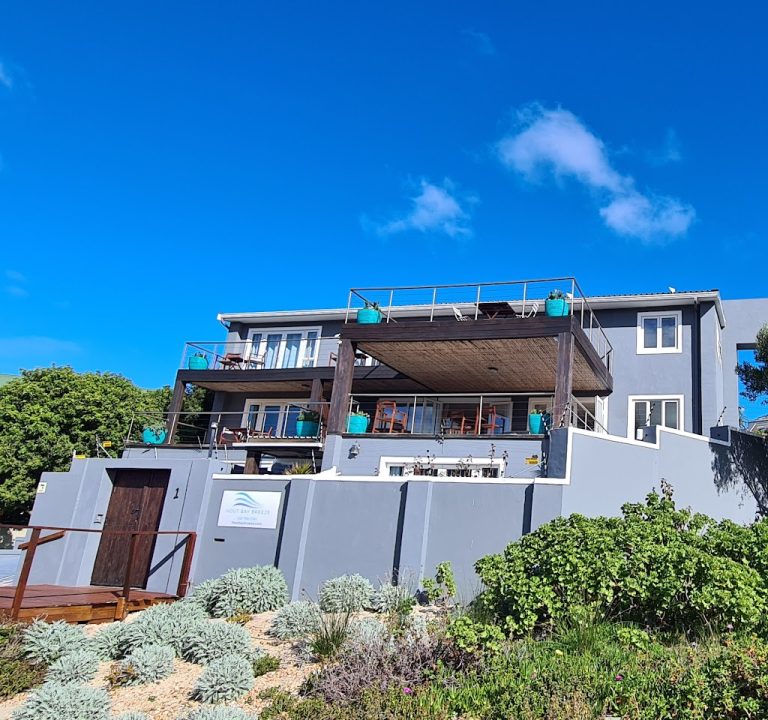
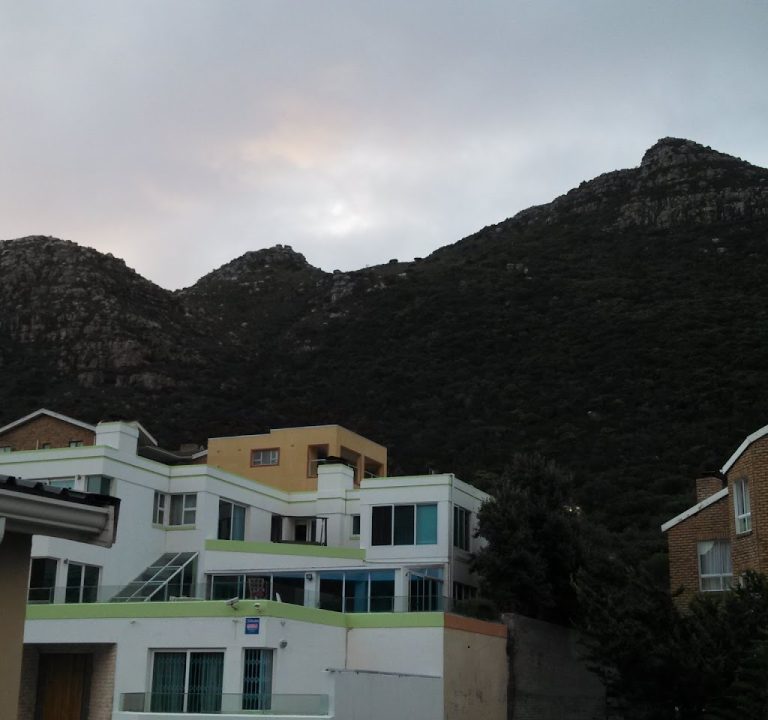
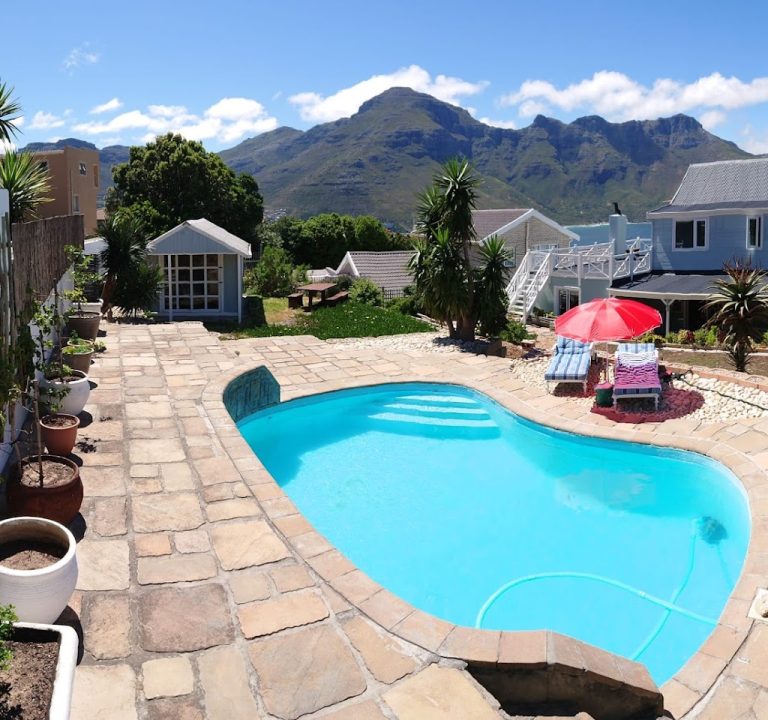
Cape Town in the Western Cape offers a diverse spectrum of places to stay, from stylish boutique guesthouses to contemporary boutique hotels and self‑catering lodges. When planning a visit, it helps to think about what kind of experience you want: a coastal base with easy access to beaches, a vibrant neighbourhood close to restaurants and nightlife, or a scenic escape with mountain views and quiet streets. The city’s layered geography – from the Atlantic seaboard to the fynbos on the surrounding hills – means there are workable base options in several key areas.
Mid‑range and boutique stays are well represented in central areas such as the historic heart near the Company’s Garden, the stylish Constantia Valley for wine‑country charm, and the harbour side of the V&A Waterfront. For a more laid‑back feel, the Atlantic Seaboard enmeshes luxury boutique hotels with modern guesthouses along the coast. The Bo-Kaap, known for its colourful houses and rich cultural history, provides a compact base close to museums and notable eateries, while the Garden Route‑adjacent suburbs offer quieter, residential settings suited to longer stays. Consider proximity to the city’s main routes, especially the N1 and M3, for easier day trips and return journeys after exploring the day’s sights.
When booking, focus on a few practical criteria. First, assess the distance to your planned areas of exploration. It is often worth prioritising access to reliable public transport, or convenient parking if you intend to hire a car. Second, check for on‑site conveniences that suit your travel pattern — free Wi‑Fi, a continental or cooked breakfast, secure luggage storage, and laundry facilities are handy for longer stays. Third, read recent guest reviews to gauge consistency in service, cleanliness and the responsiveness of the host or management team. A well‑run guesthouse or hotel should provide clear guidelines on check‑in times, house rules and local recommendations.
Typical amenities across Cape Town’s accommodation spectrum include well‑appointed en‑suite bathrooms, comfortable bedding, and thoughtful touches such as a small work desk or seating area. Some guesthouses emphasise character, with period features or architectural quirks, while many modern properties highlight style and sustainability. A frequently valuable consideration is the availability of secure parking or limited‑traffic access to certain neighbourhoods, particularly in the city centre and historic districts. Laundry, pantry access, and self‑catering options can also make longer stays more relaxing and economical.
Transport in Cape Town is straightforward but varies by area. If you plan to stay near the central city or the V&A Waterfront, walking access to sights, eateries and tram or taxi services is convenient. For beach‑fringe areas or hillside neighbourhoods, a car provides independence, though many guesthouses offer shuttle services or guided day trips. Ride‑hailing services and minibus taxi routes cover most routes, and car hire is widely available at the airport and in key precincts. If you prefer not to drive, look for accommodation with easy access to bus and rail links, or close proximity to reputable tour operators that can arrange day trips to the Cape Peninsula, Constantia wine routes, or nature reserves.
The best time to visit Cape Town depends on your priorities. The city enjoys Mediterranean‑style seasons: dry summers with long daylight hours from December to February are ideal for beach days and outdoor activities, while spring (September to November) brings milder temperatures and flowering landscapes. Autumn (March to May) is pleasant for sightseeing with fewer crowds, and winter (June to August) can be cool and windy, with rain in some years. Off‑peak periods can offer better value on accommodation without sacrificing access to major sights, though some outdoor activities may be weather‑dependent.
When planning an itinerary, mix iconic natural wonders with restorative urban experiences. The region offers dramatic coastal scenery, viewpoints over the Atlantic, and access to nature reserves. In the city, you’ll find museums, markets, and a thriving café and dining scene that emphasises both local produce and world flavours. For evening meals, look for contemporary eateries that showcase South African ingredients, or enjoy informal venues near your stay that offer seasonal menus and a relaxed atmosphere. If you’re interested in longer stays, consider day trips to neighbouring wine estates, the rugged coastline, or the scenic tables around the Peninsula, all of which can be arranged through your accommodation host or reputable local operators.
Practical tips to help you plan smoothly:
- Book accommodation with flexible cancellation policies where possible, especially if your plans may change with weather or transport disruptions.
- Ask about local amenities such as water heating reliability, room ventilation, and whether breakfast is self‑serve or cooked to order.
- Check the exact location on a map to gauge walking distance to attractions and the likelihood of steep streets or uneven paths.
- Prepare for varied climates: coastal breezes by the sea can feel cooler even on sunny days, so layer clothing is wise.
- Budget for transfers or tours; some areas are best explored with a guided approach to save time and gain insights into local culture and landscapes.
For general planning and inspiration, reputable tourism sites offer practical guidance on routes, seasonal highlights and local experiences. Visiting Cape Town can be profoundly rewarding when paired with thoughtful accommodation choices and a well‑planned itinerary that balances scenery, culture and cuisine. To start exploring options and ideas, you can visit official city and tourism portals for reliable information and planning tips: https://www.capetown.travel and https://www.capetown.travel/en/tourism-guide or similar trusted sources.