Cape Town: Accommodation and Experiences for a Memorable Stay
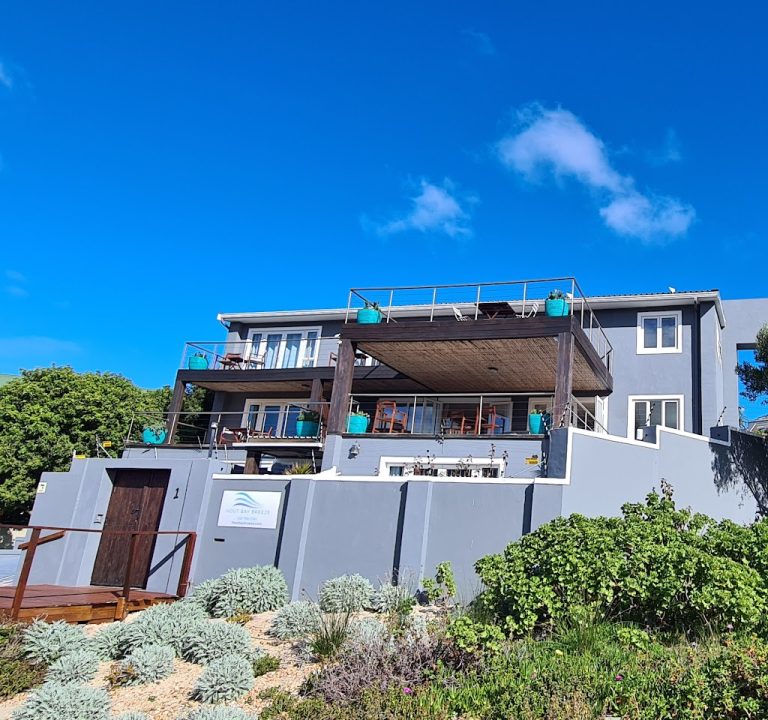
Caped by dramatic mountains, sparkling coastlines and a coastline that shifts from golden beaches to rugged boulder-strewn shores, Cape Town offers a diverse range of places to lay your head. For those seeking self-contained comfort, Bay Views presents a convenient self-catering option that lets guests set their own pace while enjoying a waterside ambience and easy access to the city’s highlights. When planning your stay, weigh areas by what you want to explore, how you will get around, and the kind of atmosphere you prefer—from buzzy urban pockets to tranquil coastal escapes.
Areas to consider include:
- City Bowl and the Inner City, for proximity to museums, markets, nightlife and dining
- Atlantic Seaboard, including Camps Bay and Clifton, for beaches, sunsets and stylish boutiques
- Green Point and Mouille Point, convenient for the V&A Waterfront and transport links
- Constantia and the Southern Suburbs, ideal for vineyards, cafés and a slower pace
- De Waterkant and Bo-Kaap, for characterful streets, views and cultural flavour
What to look for when booking is as important as the scenery itself. Consider whether you want a kitchen or kitchenette, secure parking, reliable wifi for work or streaming, and a property with outdoor space and good natural light. For families, child-friendly amenities and easy access to parks or safe beaches can tip the balance. If you’re after a stylish base with contemporary conveniences, many self-catering options provide well-equipped kitchens, laundry facilities, and private terraces that maximise the outdoor lifestyle that Cape Town offers.
Typical amenities to expect include:
- Well-equipped kitchen or kitchenette
- Wi‑Fi, heating or air conditioning, and ample natural light
- Secure parking, elevator access or ground-floor units for ease of movement
- Laundry facilities and in some cases, housekeeping services
- Balcony, garden or sea views where available
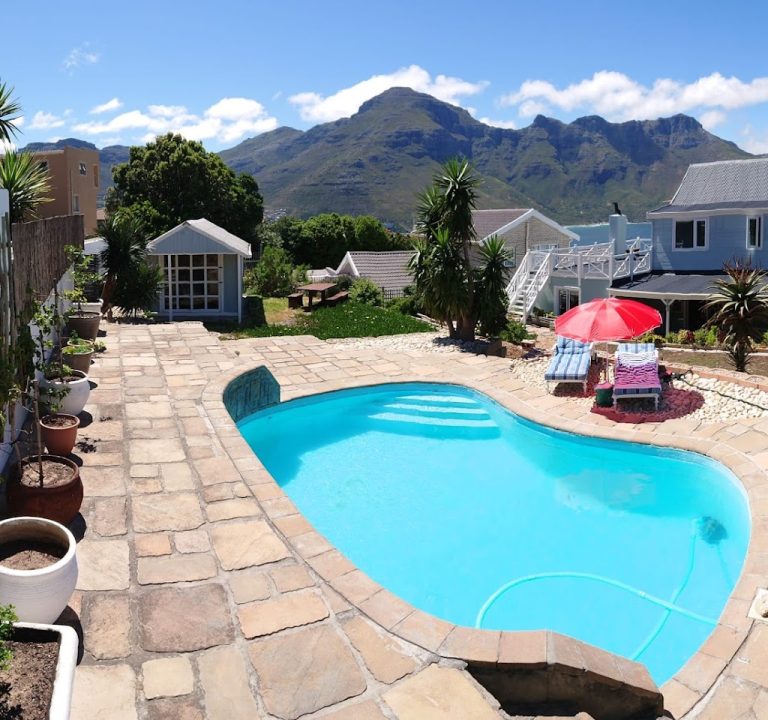
- Access to a pool or communal outdoor space in some properties
Transport is a practical consideration in Cape Town. A car provides the greatest flexibility to explore the surrounding winelands, coastal passes and aerial viewpoints, but well-serviced neighbourhoods can be navigated via Uber or local taxi services. The MyCiTi bus network offers a straightforward option for day trips and city sightseeing, though some routes may be less frequent on weekends. If you plan to visit popular viewpoints such as Table Mountain, be sure to check seasonal closures or require pre-booking for cableway access during peak times.
The best time to visit Cape Town depends on what you want from your trip. Spring (September to November) and autumn (March to May) bring mild weather, with flowering landscapes and fewer crowds. Summer (December to February) offers long days and lively outdoor dining scenes, but can be busy with tourists. Winter (June to August) is cooler and wetter, yet the city’s museums, galleries and cosy eateries provide welcome shelter from the elements. Consider sea temperatures and wind conditions when planning a coastal day, and be prepared for microclimates: a sunny harbour can sit just a few streets away from gusty upper slopes.
When it comes to experiences, Cape Town delivers a blend of natural grandeur and cultural immersion. Iconic attractions include the flat-topped Table Mountain rising above the city, pristine beaches along the Atlantic coast, and the bustling V&A Waterfront with a mix of shops, eateries and harbour views. The nearby Cape Peninsula offers dramatic coastal drives and wildlife viewpoints, while the Kirstenbosch National Botanical Garden showcases Cape flora against a mountain backdrop. For a flavour of the region’s heritage, neighbourhoods with colonial and maritime legacies provide walkable routes with charming cafés and markets. A day trip to the wine lands just outside the city, with picturesque estates and cellar doors, is a popular complement to a coastal itinerary.
Food lovers will find Cape Town’s restaurant scene varied and approachable. In general terms, you’ll discover a spectrum from casual eateries serving fresh seafood and garden-to-table dishes to refined dining rooms that celebrate South African ingredients alongside global influences. Many venues offer seasonal menus, emphasis on sustainable sourcing, and outdoor seating with harbour or mountain views. For a relaxed dining day, look for local markets and street food corners where chefs showcase regional flavours in a convivial atmosphere. Always check opening hours and whether reservations are advised, especially in peak seasons.
Practical tips for a smooth stay:
- Book accommodation with accessible transport options or nearby amenities to reduce daily travel time
- Check safety features and access to secure parking or secure entry, and be mindful of abrupt weather changes
- Plan a flexible itinerary that balances outdoor activities with indoor experiences
- Carry sun protection, layers for changeable conditions and a reusable water bottle
- Respect local advice regarding wildlife and protected areas, and obtain any necessary permits for vineyard tours or hikes
Before you travel, consult official tourism resources for up-to-date information on events and regional accessibility. Cape Town’s official visitor sites offer practical tips, suggested itineraries and links to local operators. If you are considering a stay at Bay Views, you can explore its self-catering options alongside other nearby properties to create a tailor-made itinerary that suits your pace, from sunrise walks on the seafront to sunset drives along the Atlantic coast. For general guidance and inspiration, visit https://www.capetown.travel/ and plan a memorable escape that blends natural wonder with warm, welcoming hospitality.