Cape Town: Where to Stay and What to Do in the Western Cape
Cape Town offers a spectrum of accommodation to suit every budget and style, from city-centre boutique hotels to laid-back guesthouses overlooking the Atlantic. When planning a stay, it helps to think about what you want most from your trip—spectacular scenery, easy access to beaches, a lively restaurant scene, or a quieter base from which to explore the surrounding winelands. The following guidance aims to help you choose locations, anticipate useful amenities, and map out your days in this diverse city and its surrounds.
Areas to consider include:
- City Bowl and the central business district:Ideal for those who want proximity to museums, markets, night-life, and easy access to the city’s historic sites.
- Green Point and the Atlantic Seaboard: Perfect for beach days, scenic walks, and easy links to the waterfront and sea-facing hikes. These areas are popular with visitors who want a stylish base with great views.
- Constantia and the subtropical southern suburbs: A calmer, more residential vibe with access to wine estates, gardens, and hillside trails; well suited to longer stays or family trips.
- Bo-Kaap and the city fringe: Brightly coloured streets and a rich cultural heritage near central attractions, with a mix of guesthouses and self-catering options.
When booking, look for several practical features. A reliable concierge or front desk that can offer local tips and arrange day trips is invaluable, especially if you are unfamiliar with public transport. Free or well-organised parking is worth prioritising if you plan to hire a car. Wi‑Fi should be strong and stable, particularly if you’ll be working remotely or streaming during downtime. A comfortable bed, adequate heating or cooling, and good soundproofing can make a noticeable difference in a city that blends indoor leisure with outdoor adventures.
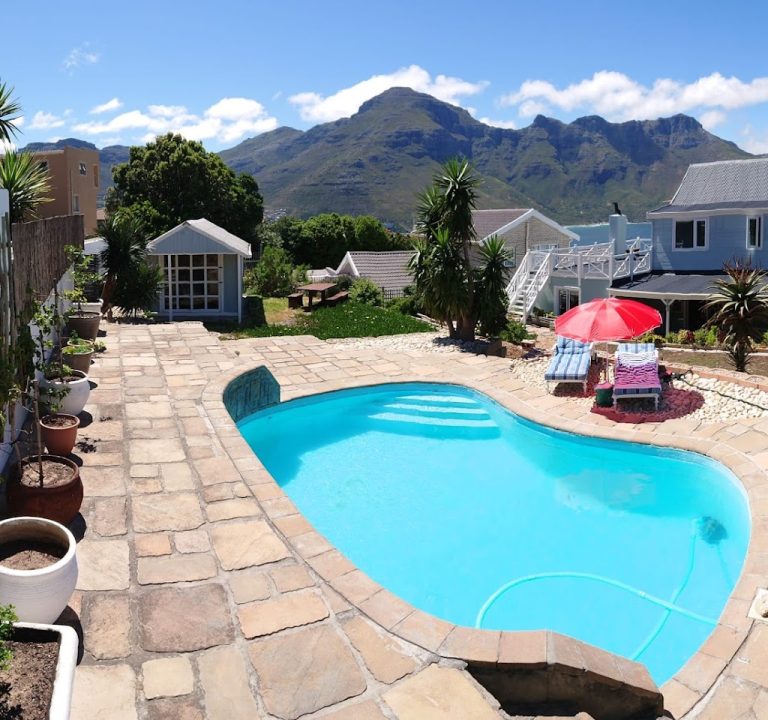
Typical amenities you may encounter include breakfast options (though some properties are “bed and breakfast” or “self-catering” only), daily housekeeping, a kitchenette or access to a shared kitchen, and laundry facilities. Pools and shaded outdoor spaces are common in warmer months, as are terraces with city or ocean views. For families, check whether rooms offer separate sleeping areas for adults and children, and whether cribs or extra beds are available. If accessibility is important, inquire about ground-floor rooms and elevator access.
Transport in Cape Town is well served by public options and ride-hailing apps. The MyCiTi bus network links many suburbs with the city centre, the V&A Waterfront, and coastal neighbourhoods. Uber and other services are widely available, and many places offer parking, though traffic can be heavy at peak times. If you plan day trips to the wine lands or to the Cape Peninsula’s scenic points, renting a car provides flexibility, though guided tours and private drivers are convenient alternatives that remove the stress of driving and navigation.
Best time to visit Cape Town depends on your preferences. Summer (December to February) brings long days, renowned beaches, and outdoor events, but can be busy. Autumn (March to May) and spring (September to November) offer mild weather, fewer crowds, and excellent conditions for walking up Table Mountain via the Platteklip route or taking a cable car. Winter (June to August) is cooler and wetter, yet it can be ideal for those seeking fewer visitors and a focus on indoor experiences such as museums, galleries, and wine-tasting in the Constantia or nearby Stellenbosch and Franschhoek regions.
Outside the city, visitors often pair their stay with scenic drives and day trips. The Cape Peninsula offers rugged coastal views, penguin colonies at one reserve, and a dramatic lighthouse at the Cape Point area. The nearby winelands of Stellenbosch, Franschhoek, and Constantia are renowned for winery estates, gardens, and excellent dining in a relaxed setting. Coastal towns along the False Bay side provide calmer beaches and seafood-focused restaurants, while the southern suburbs offer nature reserves and ridges for hikes.
Dining and experiences in Cape Town range from casual seafood shacks to contemporary bistros and established fine-dining venues. For a balanced stay, combine meals with experiences such as guided nature walks, sunset cruises, or cultural tours that explore the city’s diverse communities. There are also markets and street-food stalls where visitors can sample Cape flavours and handmade crafts. When planning meals out, consider making reservations for popular spots, particularly in peak seasons or weekends, and enquire about child-friendly options if necessary.
Practical planning tips for a smooth stay:
- Check cancellation policies in advance, keeping an eye on flexibility during travel fluctuations.
- Read recent guest reviews to gauge consistency in service, cleanliness, and safety.
- Ask hosts or hotel staff for tailor-made recommendations—local markets, lesser-known beaches, and offbeat tracks can enrich your itinerary.
- Pack a lightweight layer for coastal winds, and comfortable walking shoes for hills and uneven pavements.
- If travelling by air, consider time for a gentle acclimatisation day after arrival; Cape Town’s hilly terrain and air en route can be tiring.
For further inspiration and up-to-date travel ideas, visit official tourism sites and regional pages. Cape Town’s combination of dramatic scenery, welcoming accommodation, and a cuisine-forward scene makes it a memorable destination, with plenty to explore beyond the obvious highlights. Whether you seek a chic urban stay, a family-friendly retreat, or a quiet hillside escape with vineyard views, you’ll find a place to suit your rhythm and a wealth of experiences to accompany it.