Accommodation and Experiences in Cape Town, Western Cape
Cape Town offers a rich mix of places to stay, from stylish boutique guesthouses tucked away in leafy neighbourhoods to contemporary hotels with sea views along the Atlantic coast. When planning a visit, start by sketching a rough itinerary that balances city exploration with time on the coast and, if desired, a day trip to the winelands. This helps you choose a neighbourhood that minimises travel time and maximises your enjoyment.
Distinct areas each bring their own character. The City Bowl and central Cape Town put you within walking distance of markets, museums and a vibrant dining scene. The Atlantic Seaboard, including Camps Bay and Clifton, is renowned for dramatic coastline and sunset terraces. Constantia Valley offers leafy tranquillity and easy access to world-class wine estates, while the historic Bo-Kaap neighbourhood provides colour and culture on your doorstep. For practical access to beaches and nature reserves, consider a base near the V&A Waterfront or along the trendy branches of the shoreline roads.
When evaluating accommodation, look for these typical amenities and features. A comfortable bed, reliable heating or air conditioning, and good natural light make a big difference in Cape Town’s varied climate. Many properties offer secure parking, which is a plus in some areas, plus well-equipped kitchens or kitchenettes for longer stays. Wi‑Fi is essential for most travellers, and some hosts provide guides to local dining spots, markets and walks. If you plan to drive, check whether a property has parking and whether the street is pedestrian-friendly at night. For those seeking a shared experience, boutique guesthouses often include communal lounges or courtyards that feel like a home away from home.
Transport options in Cape Town are flexible but vary by area. The MyCiTi bus network serves major routes across the city, while Uber and other ride-hailing services are widely available. If you intend to explore beyond the city centre, a hire car provides the most freedom, particularly for day trips to the Constantia wine route or the Cape Peninsula. Some properties can arrange airport transfers or provide local tips for safe, scenic routes. If you prefer a walkable base, look for accommodation within easy reach of cafés, markets and beaches, with taxi or ride-hailing options handy for evening outings.
The best time to visit Cape Town depends on what you want to do. Summer (December to February) brings longer days, beach time and lively street life, but it can be busier and more expensive. Autumn (March to May) and spring (September to November) offer moderate crowds and pleasant weather for hiking Table Mountain, exploring Kirstenbosch Gardens, or wandering the V&A Waterfront. Winter (June to August) brings cooler winds and occasional rain, yet it is a fine time for wine tasting, museum visits and coastal scenery without the peak-season crowds. Always plan for microclimates: a warm layer for chilly evenings and a light rain jacket for sudden showers are practical additions to any packing list.
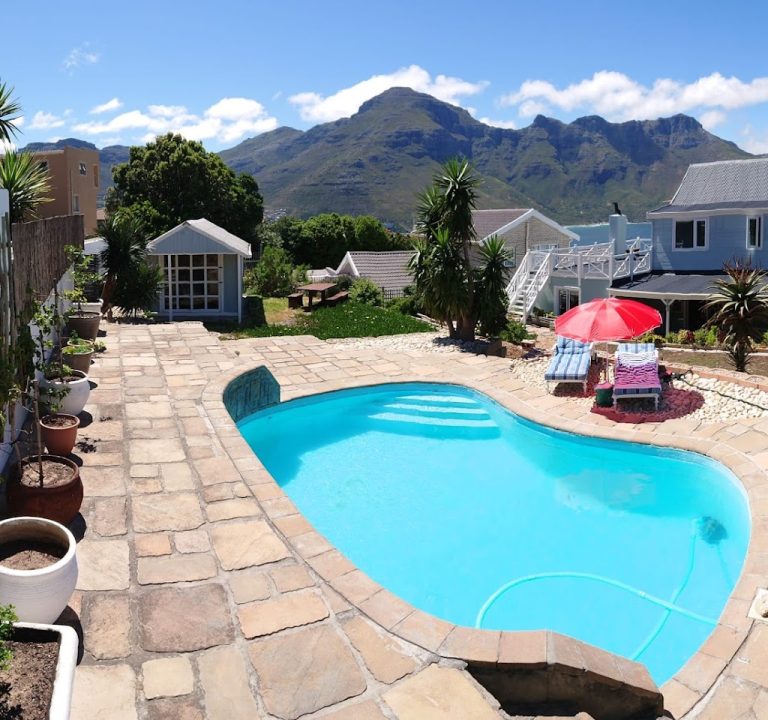
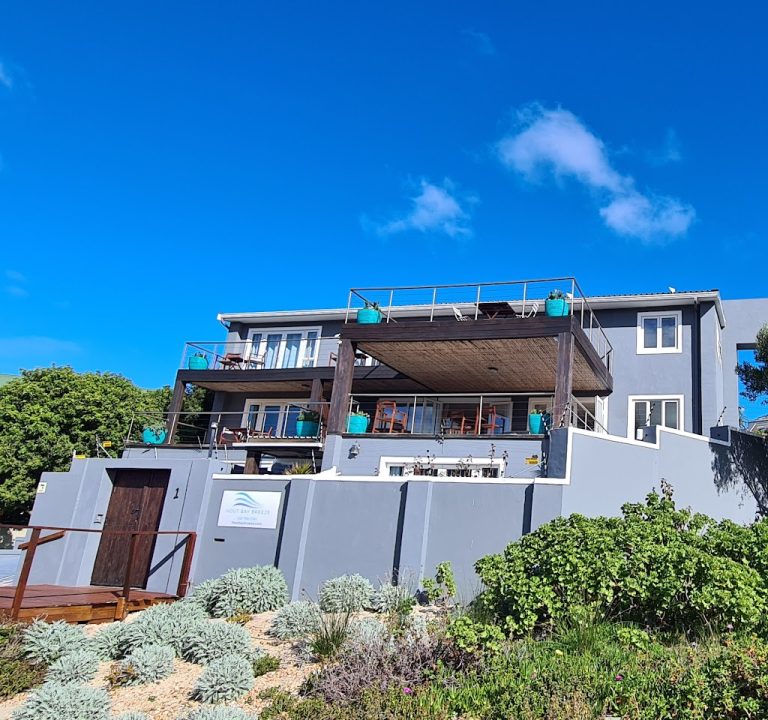
For accommodation that embodies a sense of place, consider properties that emphasise regional design and guest service. Some travellers also seek private villas or suites that feel intimate and offer exclusive spaces, such as a secluded courtyard, a rooftop deck or a panoramic view of the sea or mountains. One example guests often mention in travel planning is Villa Amanzi, typically pursued for its private, comfortable feel and its convenient city or coastal access. When researching, read recent guest reviews for details on noise, privacy, and the responsiveness of hosts or staff.
Planning your stay should include a practical packing and activity checklist. Think weather-appropriate clothing for the Cape’s wind and sun, comfortable walking shoes for varied terrain, a compact travel umbrella, and a reusable water bottle for day trips. If you intend to visit vineyards, check whether your accommodation can arrange or recommend wine tours. Bring a light layer for the renowned after-dark coastal breezes. For safety, keep valuables discreet and use reputable transport options after dark.
Alongside your stay, Cape Town delivers a broad spectrum of experiences. Landscape-rich activities such as hiking Table Mountain or Lion’s Head, taking a cable car ride for panoramic views, and exploring the scenic Cape Peninsula are perennial favourites. In cultural terms, the city offers historic streets, colourful markets, and gallery spaces that showcase South African creativity. Dining ranges from casual seafood shacks along the coast to contemporary restaurants emphasising seasonal produce and global influences. While exact establishments and prices vary, most areas offer a good mix of informal cafés, family-friendly eateries and refined dining rooms to suit different budgets and tastes.
To help you plan, here is a compact checklist of planning considerations:
- Choose a base that reduces transit time to your preferred activities and has easy access to public transport or parking.
- Prioritise hosts or properties with clear cancellation policies and responsive communication.
- Consider a mix of practical amenities (kitchen, laundry, parking) and leisure features (outdoor spaces, spa or pool) based on your itinerary.
- Balance days between outdoor adventures and indoor experiences to avoid fatigue.
- Check seasonal events and markets that align with your stay for authentic local experiences.
Cape Town rewards careful planning with a welcoming atmosphere, striking scenery and a rich menu of activities for travellers. By selecting a neighbourhood that aligns with your plans, understanding what to look for in a booking, and keeping practical tips in mind, you can craft a comfortable, memorable stay that truly captures the essence of the Western Cape. For more inspiration, the official tourism site offers practical guides and ideas to tailor your itinerary to your interests and budget.