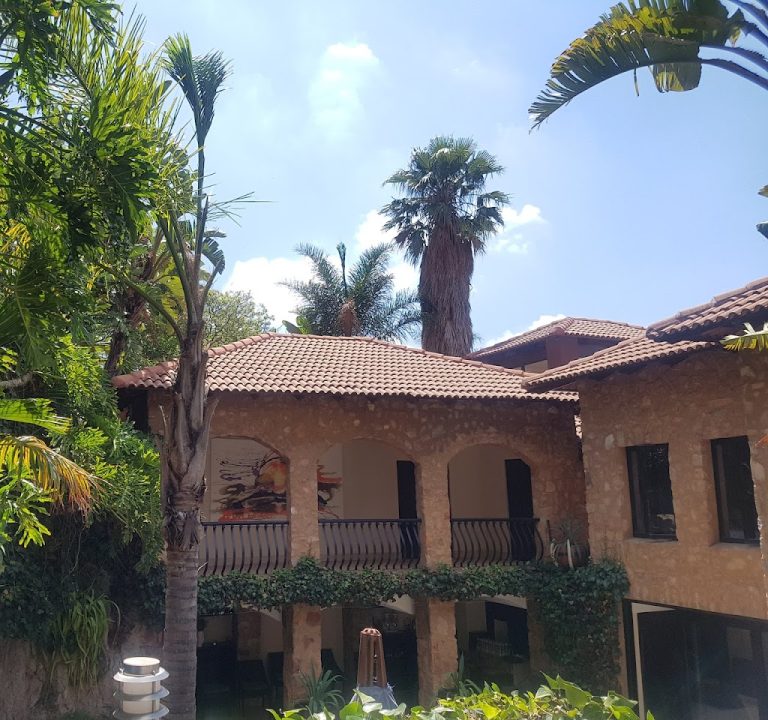
Johannesburg: Accommodation, attractions and practical tips for visitors
Johannesburg, the vibrant gateway to Gauteng, offers a diverse range of places to stay that suit every traveler's style and budget. From boutique BnBs tucked behind tree-lined avenues to contemporary hotels in bustling central districts, the city provides comfortable bases for exploring both urban culture and the wider region. When planning a stay, consider what you want from your trip—ease of access to sights, a lively neighbourhood, or a quieter residential vibe—and base your choices on distance, transport options and typical amenities.
Areas to consider are each distinct in character. The central city and adjacent districts tend to be well connected by Gautrain routes and Uber, making day trips convenient. More residential pockets offer peaceful stays with easy access to parks and cafés. If you prioritise shopping, dining, and nightlife, you might prefer a hotel or guesthouse in or near major shopping districts. For a quieter retreat with a sense of neighbourhood life, look to up-and-coming areas with characterful cafés, galleries and local markets. When evaluating accommodation, check whether the property offers secure parking, 24‑hour reception or on-site staff, and whether there is climate control for hot summers or cooler evenings in autumn and spring.
Typical amenities to look for include reliable Wi‑Fi, in-room workspaces if you’re travelling on business, breakfast options, and thoughtful touches such as a small lounge area or a courtyard. Some properties offer self-catering facilities, fitness rooms, or access to outdoor spaces. If you are travelling with family or a group, ask about family rooms, extra beds, or interconnecting options. Accessibility features, lift access, and clear safety information are worth checking in advance. Booking a room with flexible cancellation terms can be valuable in a city where plans can shift quickly, particularly if your itinerary includes day trips and tours.
Transport in Johannesburg is practical but varied by area. The city’s Gautrain network and reputable ride-hailing services provide convenient links to the airport, the northern business hubs, and the southern townships-combined with road routes. If you plan to safari-day trips or broader Gauteng excursions, it’s wise to choose a stay within easy reach of difficult-to-miss connections or to organise a short guide-supported transfer. Some properties also offer shuttle services or partnerships with nearby providers, which can be a convenient option for a hassle-free arrival and departure.
Best time to visit Johannesburg is closely tied to the Southern Hemisphere seasons. The city enjoys warm summers with refreshing afternoon showers and cooler, dry winters. If you prefer milder days for outdoor exploration, spring (September to November) and autumn (March to May) are pleasant. However, Johannesburg’s city pace is year-round, with indoor attractions such as museums and galleries offering comfort on hot days or cooler evenings.
When planning your itinerary, mix indoor cultural experiences with outdoor spaces. Johannesburg’s museums, theatres, and galleries provide insight into South Africa’s history, art, and modern life. For outdoor days, city parks, viewpoints, and markets offer a flavour of local life and craft. Dining in the city ranges from casual eateries to more refined establishments, often with globally influenced menus that reflect Johannesburg’s multicultural roots. In general terms, you’ll find options to suit varied budgets and tastes, with seasonal menus and regional ingredients commonly featured in menus abroad. It is wise to check opening hours for attractions and dining venues, as some places operate with seasonal schedules or late-night openings on weekends.
- Neighbourhoods to weigh when choosing a base: central business districts with easy transit links; northern suburbs for residential comfort and shopping; and medium-density areas with characterful lodging and local cafés.
- Booking tips: compare room types, read recent guest reviews for safety and cleanliness notes, and verify access to parking and public transport. Consider a property with a flexible rate or a cancellation policy you understand.
- Practicalities: confirm the nearest Gautrain station or major bus stops, and check whether the property can assist with airport transfers or guided day trips. Look for reliable Wi‑Fi, on-site dining, and secure access to the building.
- Safety and budgeting: plan practical daily spending for meals and transport, and keep valuables secure. Use reputable transport options and be aware of your surroundings, especially when exploring after dark.
For a taste of local life, many visitors opt to stay near places that blend modern hospitality with a sense of place. A well-situated hotel or guesthouse can act as a convenient hub for excursions to the wider Gauteng area, including historical sites, markets, and contemporary art spaces. If you are curious about planning accommodations with a specific focus, some properties provide curated experiences or partnerships with local guides, helping you discover neighbourhoods, eateries and markets beyond the usual tourist routes.
For more information about places to stay, activities and practical planning, you can visit the dedicated property page, which offers an overview of services, neighbourhood highlights and accessibility. A stay in Johannesburg—whether you’re looking for a sleek city break, a family-friendly base or a stylish boutique retreat—can be a comfortable starting point for exploring Gauteng’s diverse attractions and vibrant street life. See Houghton Skye for one example of the modern accommodation options available within easy reach of central Johannesburg and its surroundings.