Johannesburg: Where to stay, what to do and how to plan your visit
Johannesburg, Gauteng, offers a vibrant mix of cosmopolitan energy, cultural heritage and easy access to nature. Whether you arrive for business, a weekend city break, or a longer exploration of South Africa’s world of contrasts, planning a stay that suits your pace is the key to getting the most from your time. Accommodation in and around the city ranges from intimate B&Bs and guesthouses to contemporary hotels and self‑catering lodges. A well‑chosen base can help you feel connected to the neighbourhoods you wish to explore while offering reliable comfort after busy days.
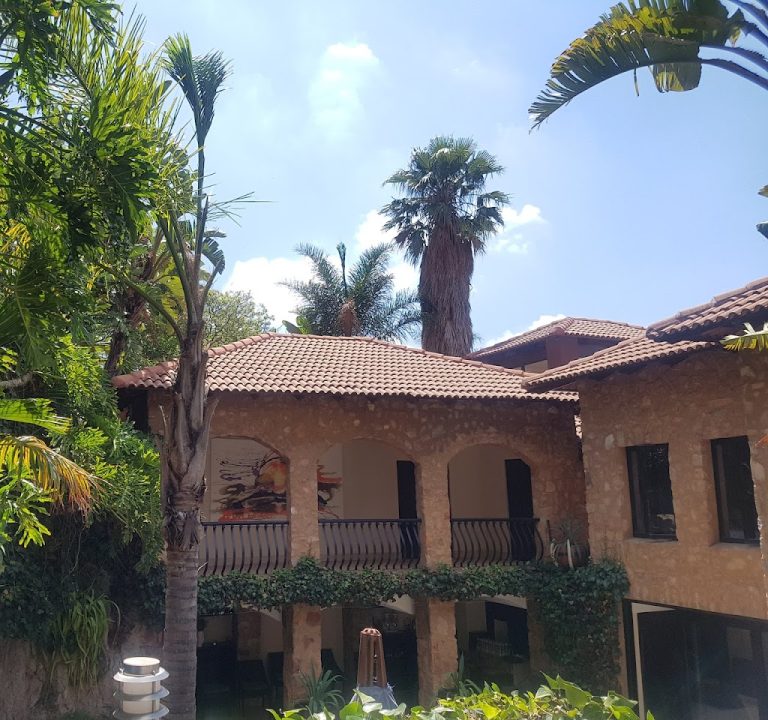
When choosing where to stay, consider the area’s character and proximity to the things you want to do. The northern suburbs are popular for business districts, shopping and leafy streets, with good transport links into the city centre. The inner city and nearby precincts offer a pulse of street life, markets, galleries and cafés, matched by a growing selection of boutique stays and lodges. If your plan includes a township experience or a day trip to nature, you’ll want to factor distance and ease of access into your itinerary. For a quieter stay with stylish rooms and thoughtful service, look for well‑reviewed lodges and guesthouses that emphasise guest privacy and secure parking.
Typical amenities to look for include reliable WiFi, secure parking, 24‑hour reception or a friendly host, and breakfast options that suit your plans—whether a light continental spread or a more substantial South African breakfast. If you’re travelling by train, check how easy it is to connect to the Gautrain or local transport from your chosen base. In busy periods, early check‑in or late‑check‑out arrangements can make a big difference to your schedule. For families or longer stays, a self‑catering apartment or a lodge with kitchen facilities can add comfort and flexibility. If you’re exploring for the first time, a property with central advice on nearby sights and dining can be particularly useful.
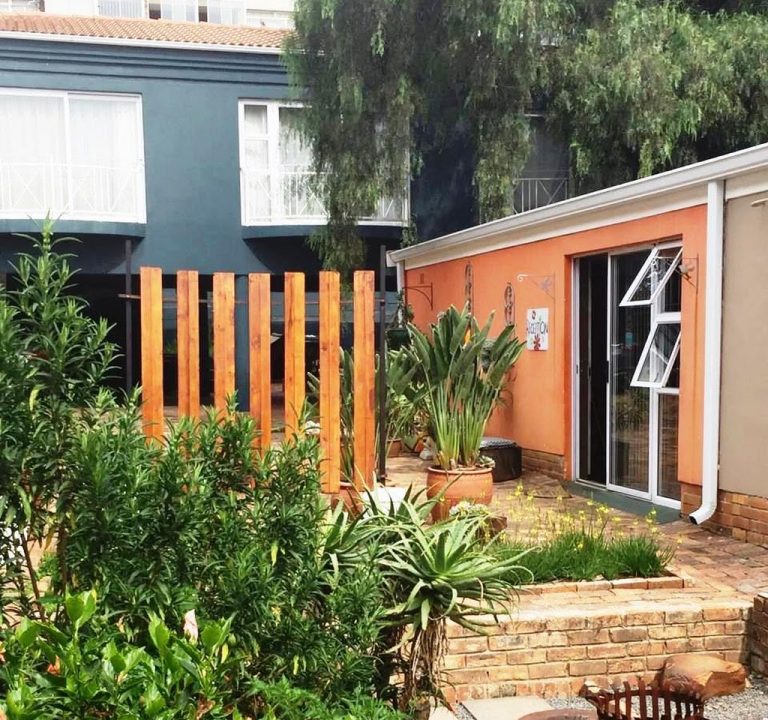
One example of a lodging option you might encounter is a characterful cottage or boutique guesthouse with a warm, personal touch. Such places often sit in leafy streets within easy reach of main routes, providing a cosy home away from home and an opportunity to connect with local hosts who can offer practical tips about the city, markets and routes less travelled. When booking, read recent guest reviews for notes on comfort, cleanliness and the responsiveness of the staff. Consider the safety features on offer, and whether the property provides guidance on neighbourhood etiquette and practicalities for visitors new to Johannesburg.
Accommodation in Johannesburg also reflects a variety of neighbourhood flavours. If you enjoy urban exploration, you might base yourself in a lively district with cafés, art spaces, and a walkable daytime rhythm, then venture to nearby green spaces for a breather. For a more residential feel, look for lodges or guesthouses tucked away in quieter streets but still close to public transport or main arterials. In any case, a good planning approach is to map your days by geography—group sights by area and allow time for short journeys between them. This helps prevent “cramming” and makes room for spontaneous discoveries at markets, street food stalls or independent bookshops that Give a sense of Johannesburg’s everyday pace.
Best time to visit Johannesburg is generally spring (September to November) and autumn (March to May), when the weather is mild and outdoor activities are pleasant. Rain is more common in summer (October to March), so plan indoor options or flexible days if visiting during this period. Winters (June to August) are dry and cool, which can be ideal for city sightseeing and comfortable evenings in a snug lodge or guesthouse. If you’re planning to combine sightseeing with nature walks or outdoor markets, consider the climate in your chosen season and pack accordingly—layers are your friend in Johannesburg’s shifting weather.
Things to do and plan around include broad cultural experiences and green spaces. Expect to encounter a dynamic arts scene, markets and galleries, historic sites that reflect the country’s past, and scenic viewpoints offering sweeping city panoramas. For dining, you’ll find a range of options from informal cafés to more refined restaurants, with a spectrum of flavours that reflect the city’s rich multicultural fabric. Rather than focusing on single, must‑visit names, aim to sample a few places that resonate with your taste and pace—whether you crave bold modern cuisine or comforting neighbourhood favourites. When it comes to transport, the Gautrain provides quick links to the financial hub and the airport vicinity, while local buses and rideshare services offer flexible options for short trips within the city and neighbouring suburbs.
Practical tips for a smoother stay:
- Book in advance for peak seasons and big events; aim for properties with flexible cancellation policies.
- Request secure parking if you will be driving, and confirm access instructions if arriving late.
- Check the safety features of your accommodation and be aware of the best routes to and from your base.
- Ask hosts or staff for area recommendations—markets, galleries, and quiet morning strolls are often best experienced with local guidance.
- Carry a small amount of local currency for markets and casual street food; many places accept cards, but not all.
Johannesburg is a city of contrasts—dynamic, welcoming and full of everyday discoveries. A thoughtfully chosen stay, paired with a curious itinerary, can make your visit both comfortable and inspiring. If you’re considering a lodging option such as Houghton Hill Cottage, you may find a balance between character, convenience and personal service that suits a relaxed, home‑from‑home approach to your Johannesburg experience.