Johannesburg: accommodation options, neighbourhoods, and how to plan a stay
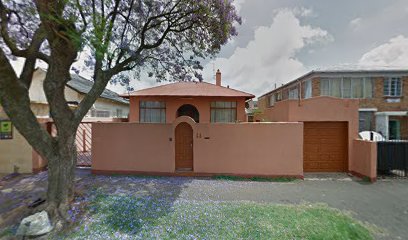
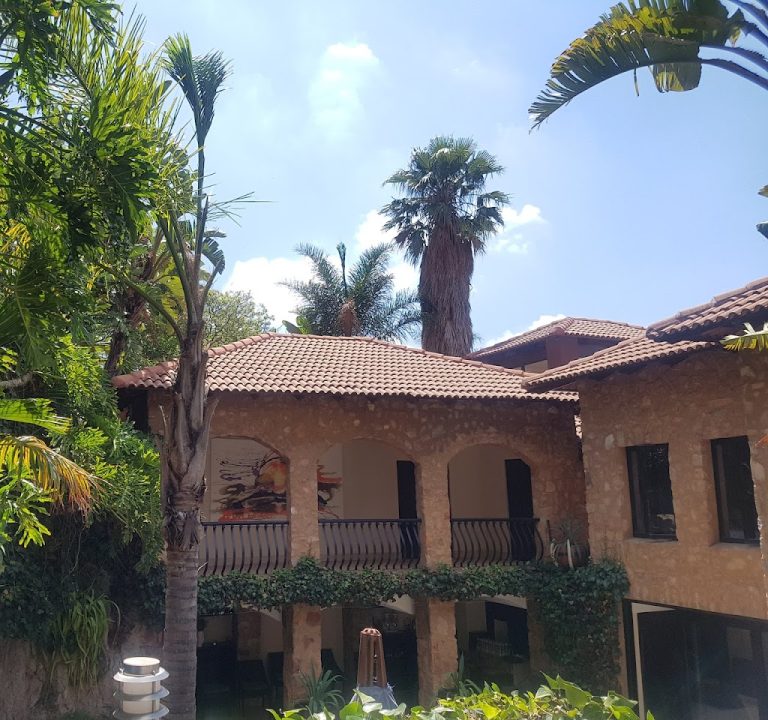
Johannesburg, or Jo’burg as it is affectionately known, offers a vibrant mix of history, culture, modern comforts and easy access to the wider Gauteng region. When planning a stay, consider the rhythm of the city neighbourhoods to match your interests, whether you are seeking stylish city stays, quiet leafy streets, or a base close to museums, markets and nightlife. Among the many choices is an inn-style option such as Houghton Residence, which can provide a comfortable, characterful base in a central, well-connected area.
Accommodation in Johannesburg tends to cluster around a few key areas, each delivering a distinct flavour. Sandton is popular for shoppers, business travellers and upscale dining, with easy access to the Gautrain for rapid travel to the city centre. Rosebank offers a calmer, boutique feel with galleries, markets, and a strong café scene, while Braamfontein and Maboneng are known for urban energy, street art, craft markets, and creative dining. Melville appeals to those who want a bohemian vibe and hip cafés, while Soweto provides deep history, guided tours, and cultural experiences. When booking, think about how you’ll move around: proximity to main roads, access to public transport, and whether you plan day trips to the Cradle of Humankind, the Magaliesberg region or nearby game reserves.
What to look for when you book a stay in Johannesburg varies by personal preference but typically includes a mix of comfort, location and practicality. Start with bed type and privacy—many travellers value compact en-suite rooms with good natural light and reliable heating or air conditioning, as Johannesburg’s climate can be warm in summer and cooler in winter. Check for reliable Wi-Fi, secure parking if you’re driving, and flexible check-in options, especially if you’re arriving late after a day out in the city. A well-equipped kitchen or breakfast service can be a real help for longer stays, while on-site lounges, gardens or terraces provide a social space to unwind after a busy day.
Typical amenities to expect in reputable Johannesburg bases include well-appointed bedrooms, clean bathrooms, daily housekeeping or regular interval cleaning, and access to quiet zones or reading spaces. Quiet, well-insulated rooms with blackout curtains are a practical luxury, particularly for visitors who prefer early evening downtime after busy days. Some properties also offer small touches such as bottled water refills, complimentary tea and coffee, and fresh towels. If you are hosting meetings or planning a longer stay, look for business-friendly options with work desks, charging stations and reliable reception services.
Transport is a practical consideration. Johannesburg has a network of roads, but traffic can be heavy, especially during peak hours. The Gautrain is a reliable rail link connecting Johannesburg with Pretoria and the OR Tambo and Lanseria airports, making it a convenient option for international travellers. Within the city, rideshare apps, taxis and private transfer options are widely used. If you plan to explore diverse neighbourhoods, a stay that offers easy access to main roads or a nearby rail or bus link will save time and reduce stress. Some accommodations provide shuttle services or partnerships with tour operators, which can simplify day trips to nearby attractions or communities.
The best time to visit Johannesburg depends on your priorities. Spring and autumn offer milder temperatures, comfortable for outdoor markets, urban walks and short excursions. Summer in Johannesburg can be hot and occasionally wet, with lush parks and vibrant street life; winter is dry and cool, perfect for museum visits, cosy cafés and city sights with fewer crowds. If you are planning to visit top museums, parks, or heritage sites, booking ahead for weekend stays or near public holidays can help secure the best rooms and quiet moments between peak times.
When it comes to attractions and experiences, Johannesburg presents a broad spectrum without requiring specialist guides. Cultural activities include major museums, galleries and historical sites that tell the story of the city and the country. Markets, street food scenes, and diverse dining options span casual eateries to refined restaurants, with many establishments emphasising local ingredients and contemporary South African menus. Easy day trips include nature reserves, viewpoints over the urban landscape, and nearby towns with their own cultural character. If you enjoy guided experiences, seek out reputable operators offering neighbourhood tours, township heritage visits, and architectural strolls to gain context and a deeper sense of place.
Practical tips to help you enjoy your stay include planning a mixed itinerary: reserve a couple of longer stay days in a reputable base, and mix in short explorations of surrounding districts. Pack adaptable clothing for changing weather and comfortable walking shoes for urban exploration. Always confirm entry times for attractions and plan in advance where possible. For meals, try a balance of well-known eateries and local neighbourhood spots to experience the city’s café culture and diverse cuisine. If you’re travelling with a group, consider options that provide common spaces for socialising as well as private rooms for rest. Finally, when booking, request confirmation of essential details such as refund policies, cleanliness standards, and how guests can reach the host in case of changes to plans.
- Choose neighbourhoods with easy access to transport links or walkable streets for safe, pleasant exploration.
- Look for flexible check-in and reliable connectivity, plus friendly local hosts who can offer practical tips.
- Balance comfort and character: a well-appointed base in a lively district can enhance your stay as much as on-site amenities.