Johannesburg: Accommodation and Experiences in Gauteng
Johannesburg, commonly known as Jo’burg or the City of Gold, offers a diverse tapestry of places to stay and experiences to suit every traveller. From cosy bed & breakfasts in leafy suburbs to stylish boutique hotels in vibrant urban districts, planning a sensible itinerary can help you make the most of your time in Gauteng’s largest city. When selecting accommodation, consider both the character of the neighbourhood and your daily plans, whether you are visiting for business, culture, or family-friendly exploration.
Areas to consider show distinctive flavours. The northern suburbs, such as Sandton and Fourways, are convenient for business districts, shopping malls and modern comforts, with many secure lodges and guesthouses that cater for shorter stays and corporate travellers. In the central belt, Braamfontein and Newtown offer easy access to museums, galleries and nightlife, alongside smaller guesthouses that provide a more intimate, home-from-home feel. Rosebank blends cosmopolitan dining, markets and transport access with comfortable B&Bs and boutique stays, while Melville and Berea offer a bohemian, student-hearted atmosphere with welcoming guesthouses and small hotels. If you plan to travel further afield to natural areas or game reserves, you’ll still find practical options within a reasonable drive of the city centre.
What to look for when booking will help you secure a stay that suits your style and budget. Prioritise safety and convenient access to the places you plan to visit, especially near vibrant districts after dark. Check for 24-hour reception or staff on site, secure parking if you’re renting a car, and clear housekeeping schedules. For longer stays, a kitchenette or self-catering option can be very convenient, while many travellers appreciate included breakfast, daily housekeeping, and reliable Wi-Fi. If you travel with family, look for quiet rooms, easy access, and child-friendly facilities. For business trips, consider properties that offer working desks, good lighting, and proximity to business hubs or major transport links. Reading guest reviews can illuminate how the property handles peak times, noise, and the warmth of the welcome.
Typical amenities you might encounter include secure on-site parking, complimentary breakfast, free Wi-Fi, tea and coffee facilities, and basic toiletries. Some B&Bs and guesthouses offer spacious courtyards, swimming pools, or rooftop lounges, ideal for relaxing between morning meetings or museum visits. In urban locations, a property may partner with nearby cafés or accommodating eateries to offer convenient meal options. When in doubt, reach out to the host or manager before arriving to confirm what is offered and what might require advance arrangement.
Transport is an important practical element. Johannesburg is well served by road networks and a rapid rail link known as the Gautrain, which connects the city centre with OR Tambo International Airport and Pretoria. If you intend to explore beyond the immediate city core, a car is handy, but many districts are well served by taxis, ride-hailing services, and secure parking at accommodation. In central and northern areas, walkability or short rides to Metrorail or bus routes can significantly reduce transfer times. If you prefer a car-free stay, choose neighbourhoods with easy access to reliable public transport and an assortment of cafés and eateries within short walking distance.
The best time to visit Johannesburg often mirrors pleasant temperate conditions: spring (September to November) and autumn (March to May) offer comfortable weather for outdoor exploration, fewer rain interruptions, and manageable crowds in major attractions. Summers (December to February) bring warmth and occasional showers; winters (June to August) are mild. Consider events calendars when planning your trip, as district markets, galleries and street performances sometimes shape your daily rhythm more than the weather does. Outside peak holiday periods, you may find more attentive service and a calmer pace at smaller guesthouses and lodges.
Attractions and experiences in and around Johannesburg take many forms beyond the obvious cultural centres. You may encounter heritage museums and reconstructed neighbourhoods that reflect the city’s complex history, modern art spaces and markets offering crafts and artisanal foods, and diverse eateries ranging from contemporary bistros to traditional South African fare. If you enjoy nature, planned day trips can reveal nearby parks and viewpoints with city panoramas, while guided tours may introduce you to local communities, architecture, and the evolution of urban spaces. Shopping stays convenient with modern malls and neighbourhood markets in several districts, while culinary spots provide a spectrum of flavour profiles—creative modern cuisine, grilled favourites, and comforting regional dishes—without committing to a single chef or cuisine on every night of your stay.
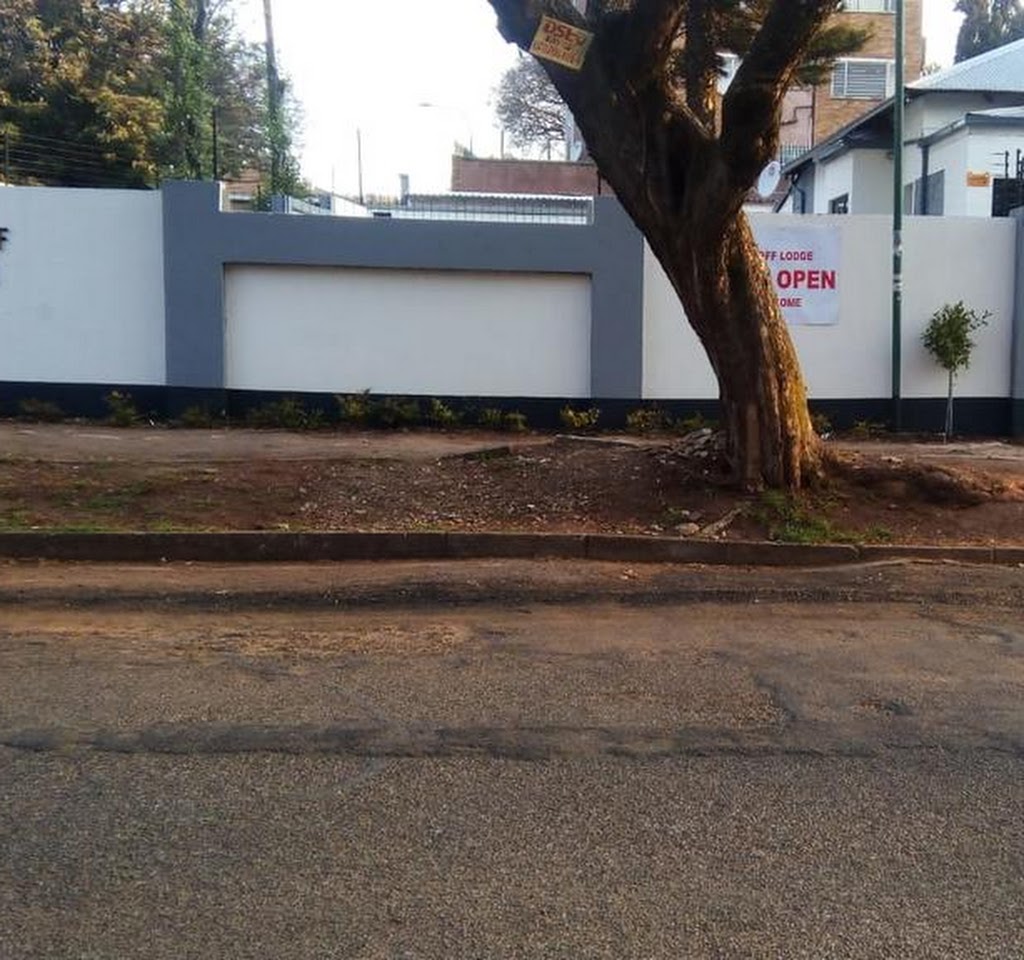
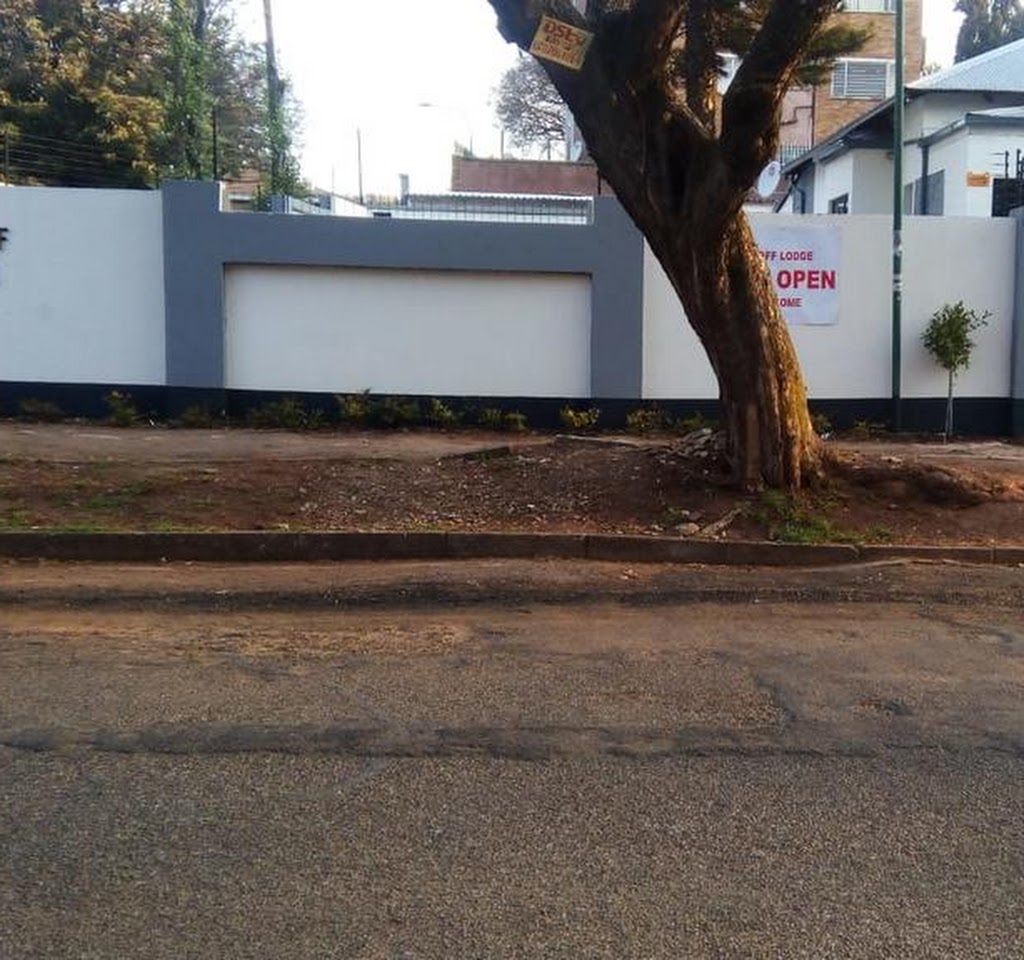
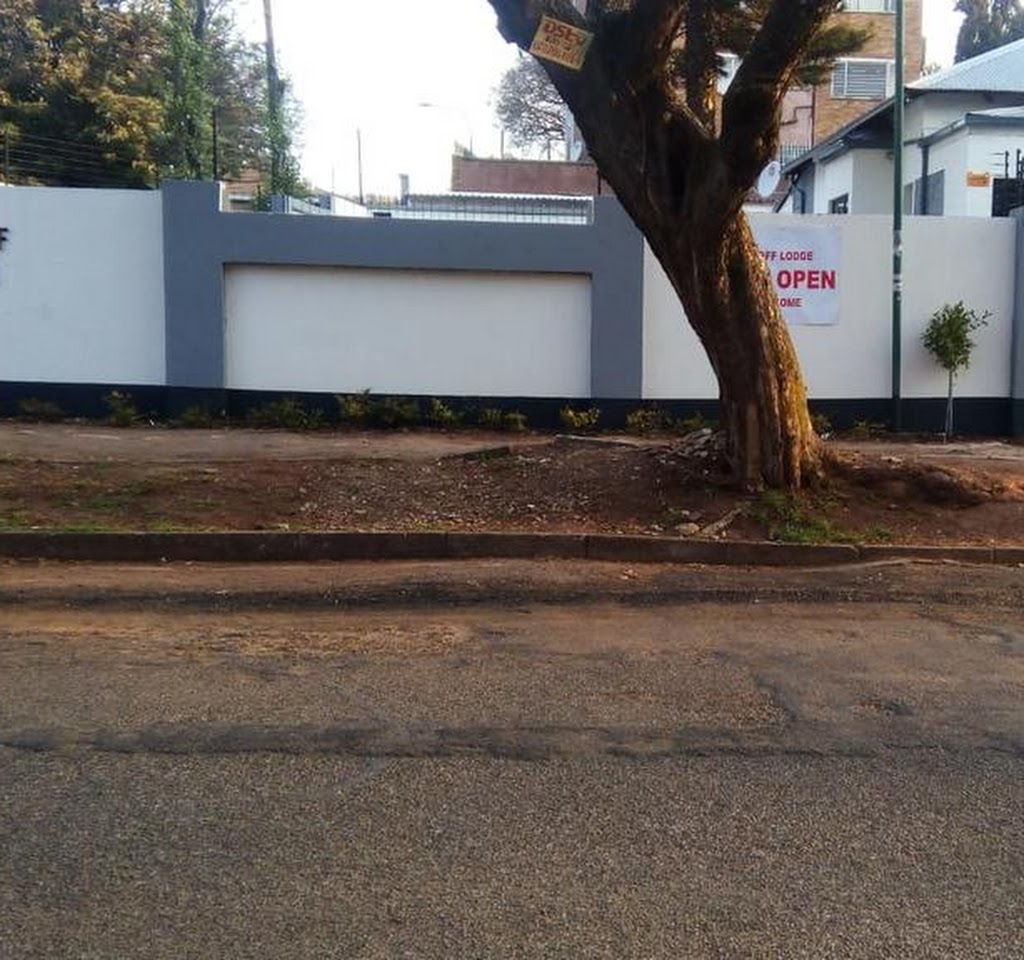
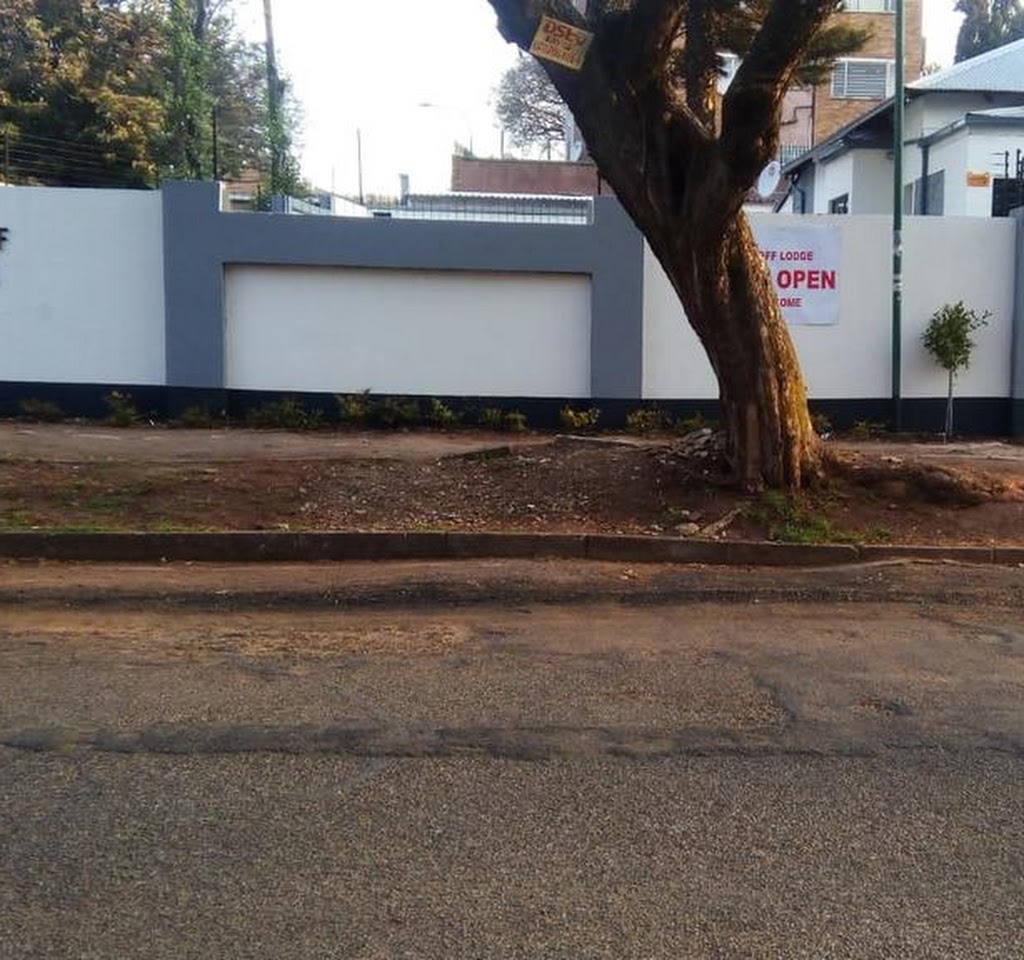
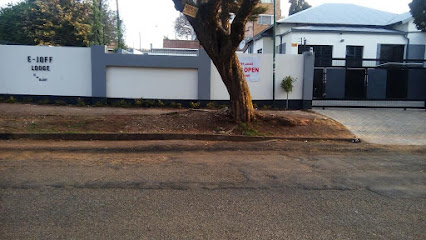
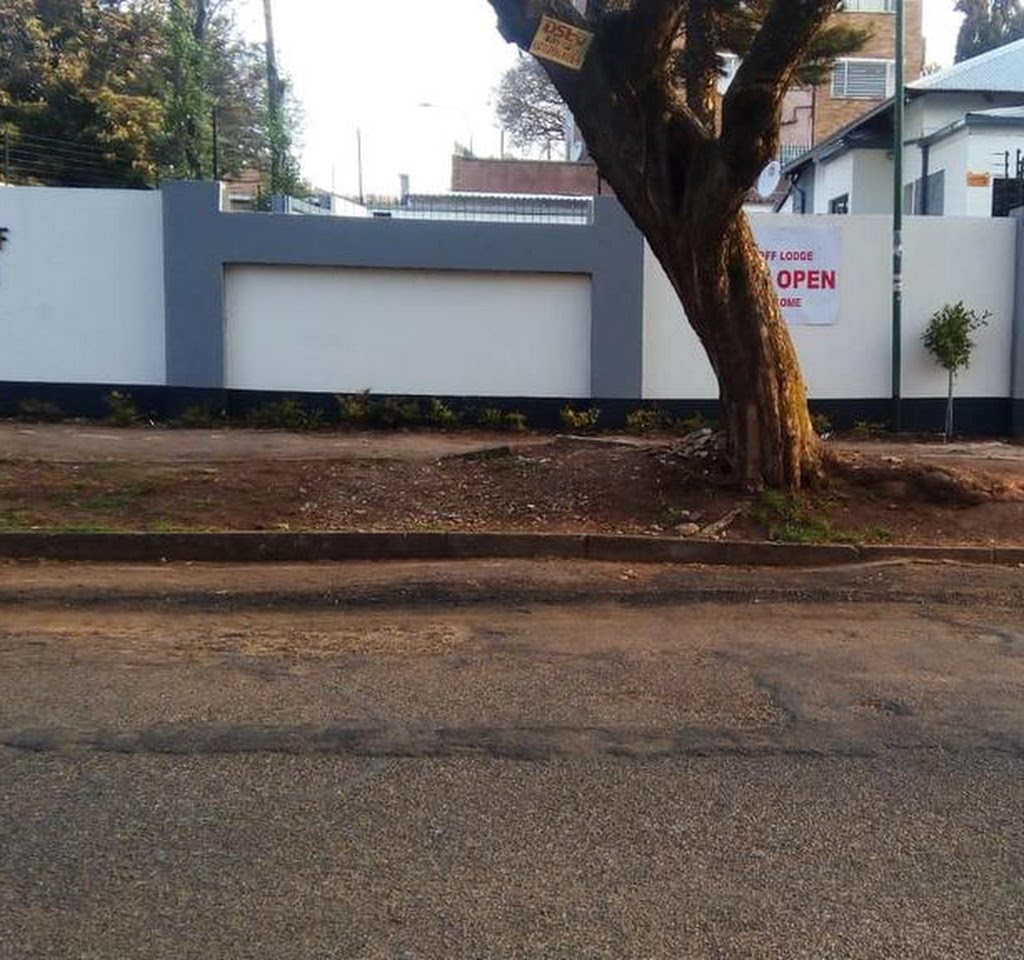
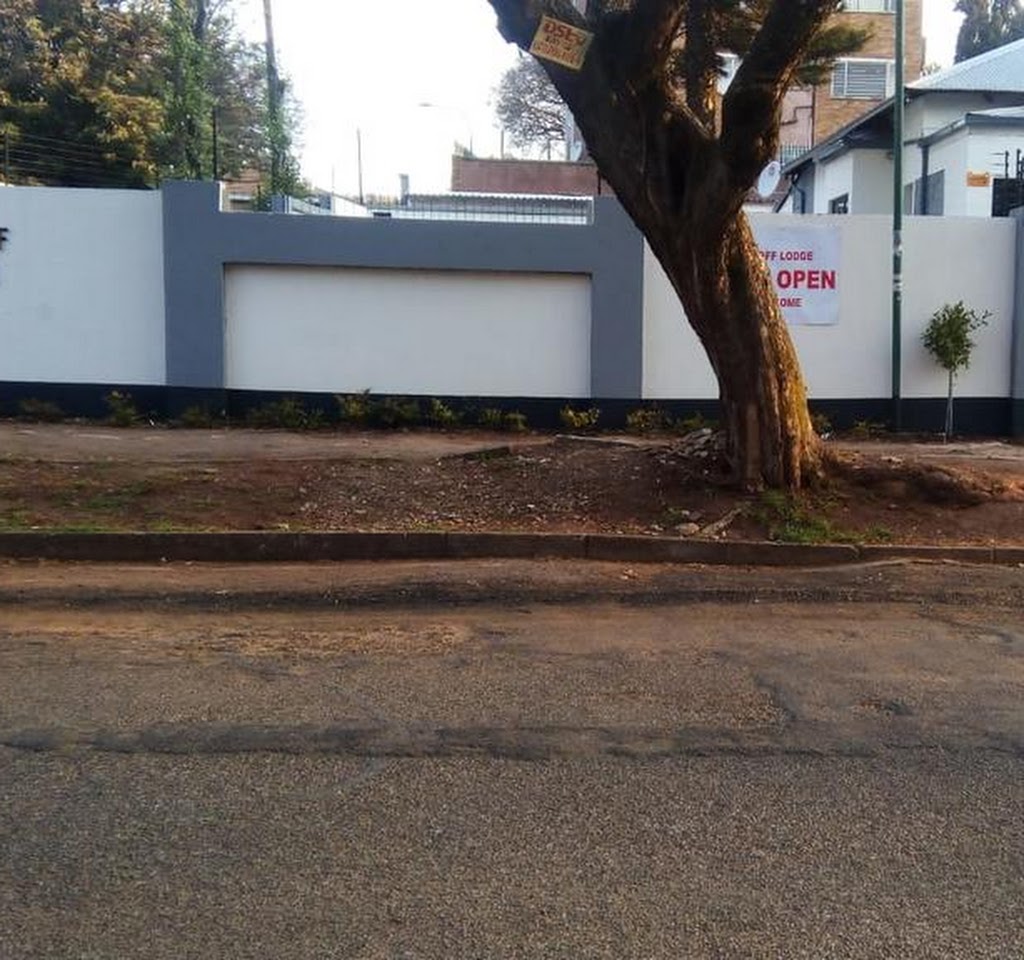
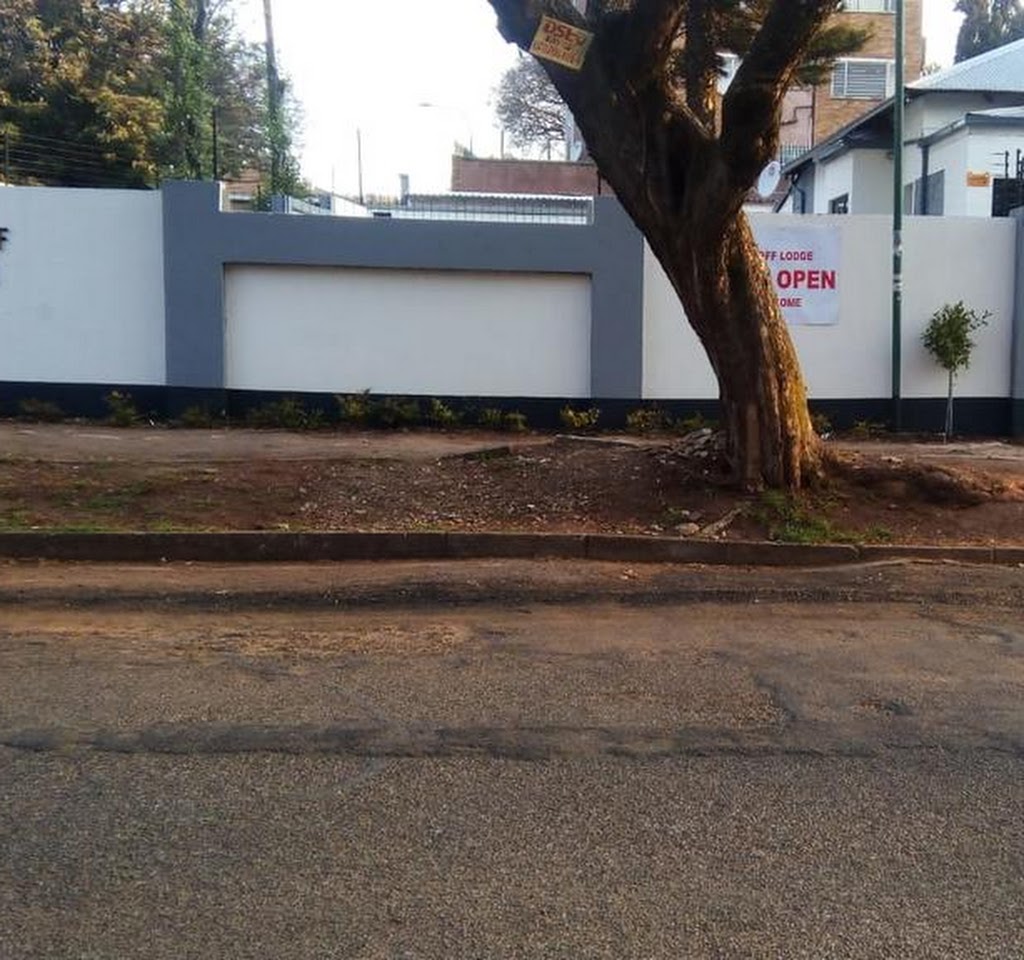
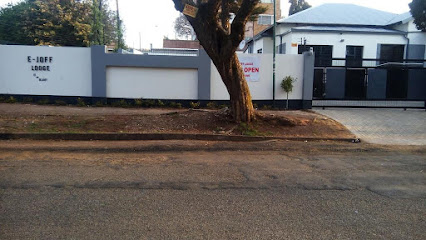
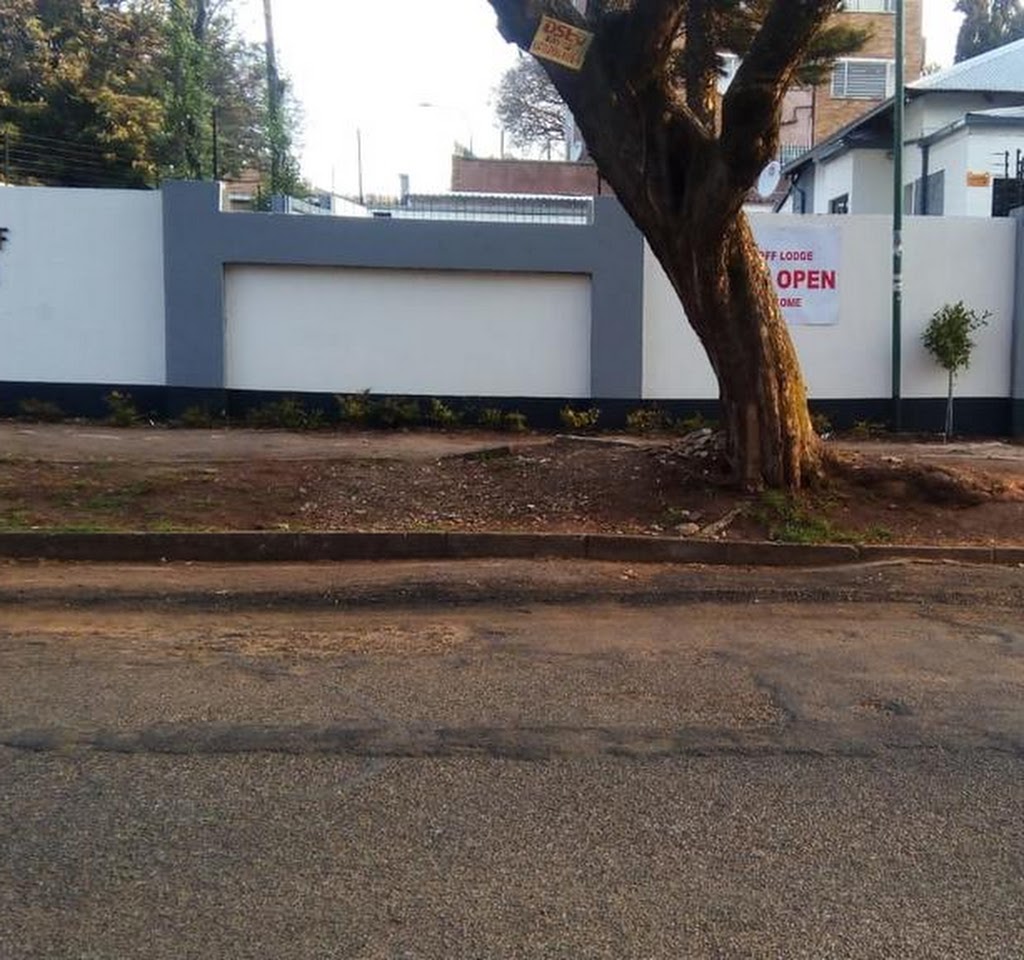
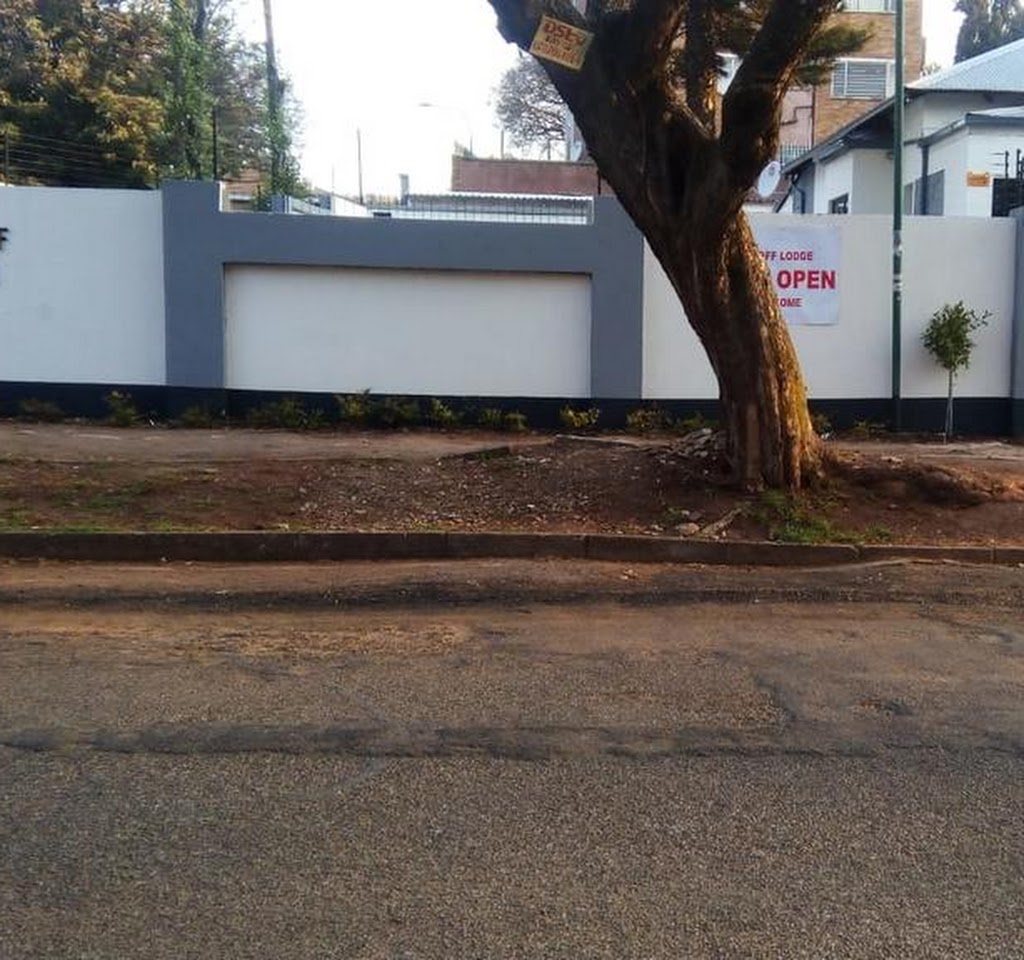
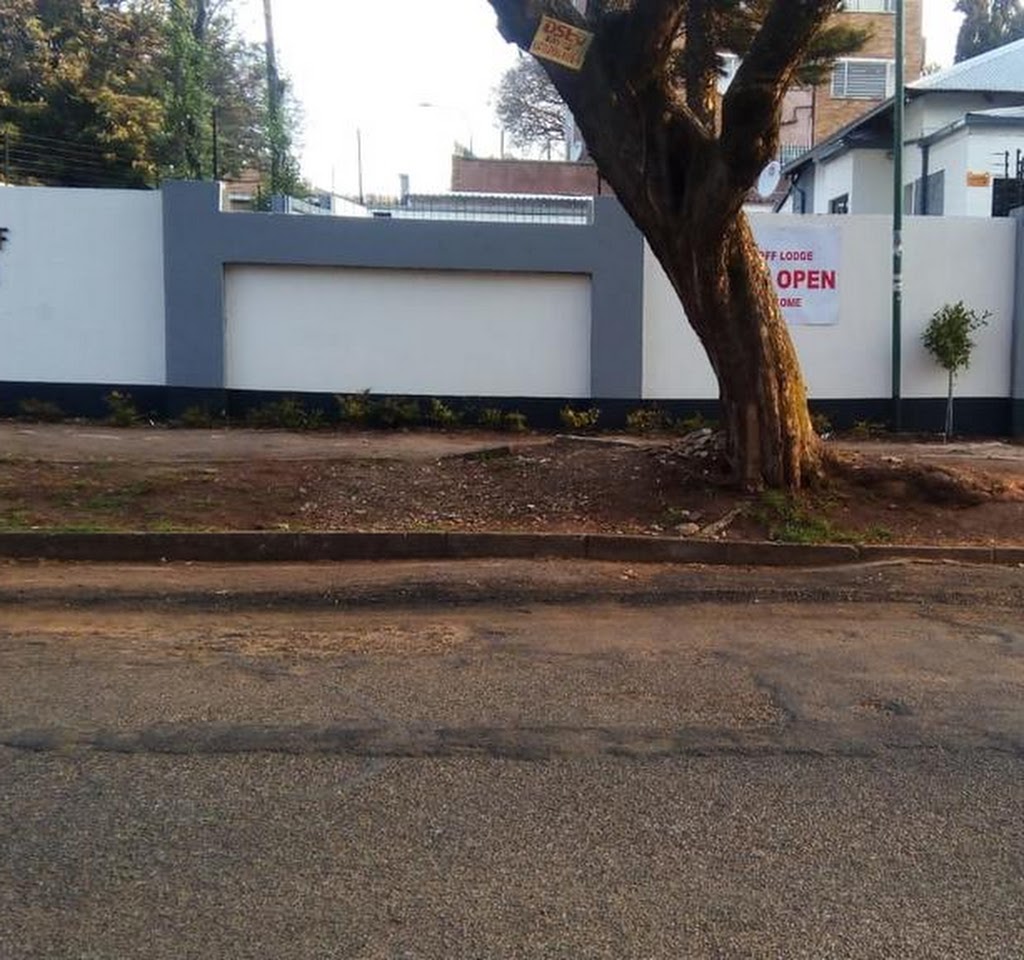
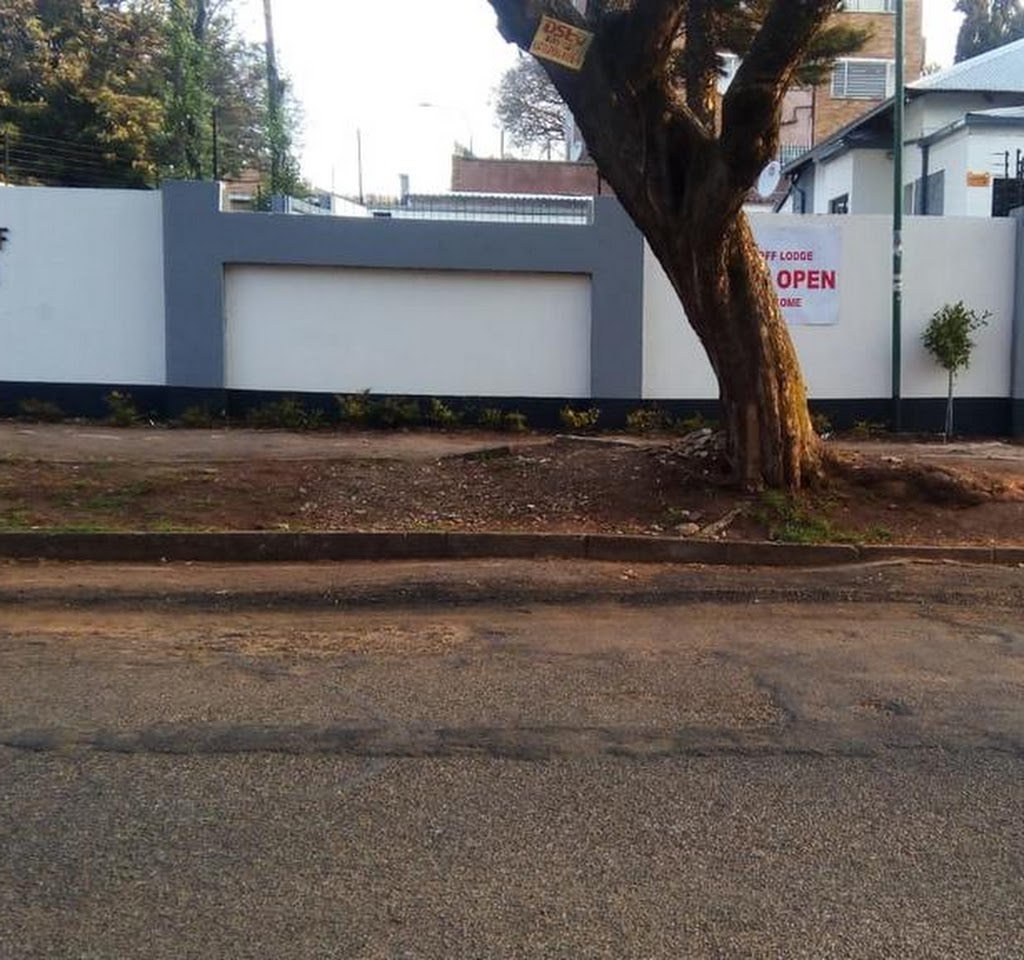
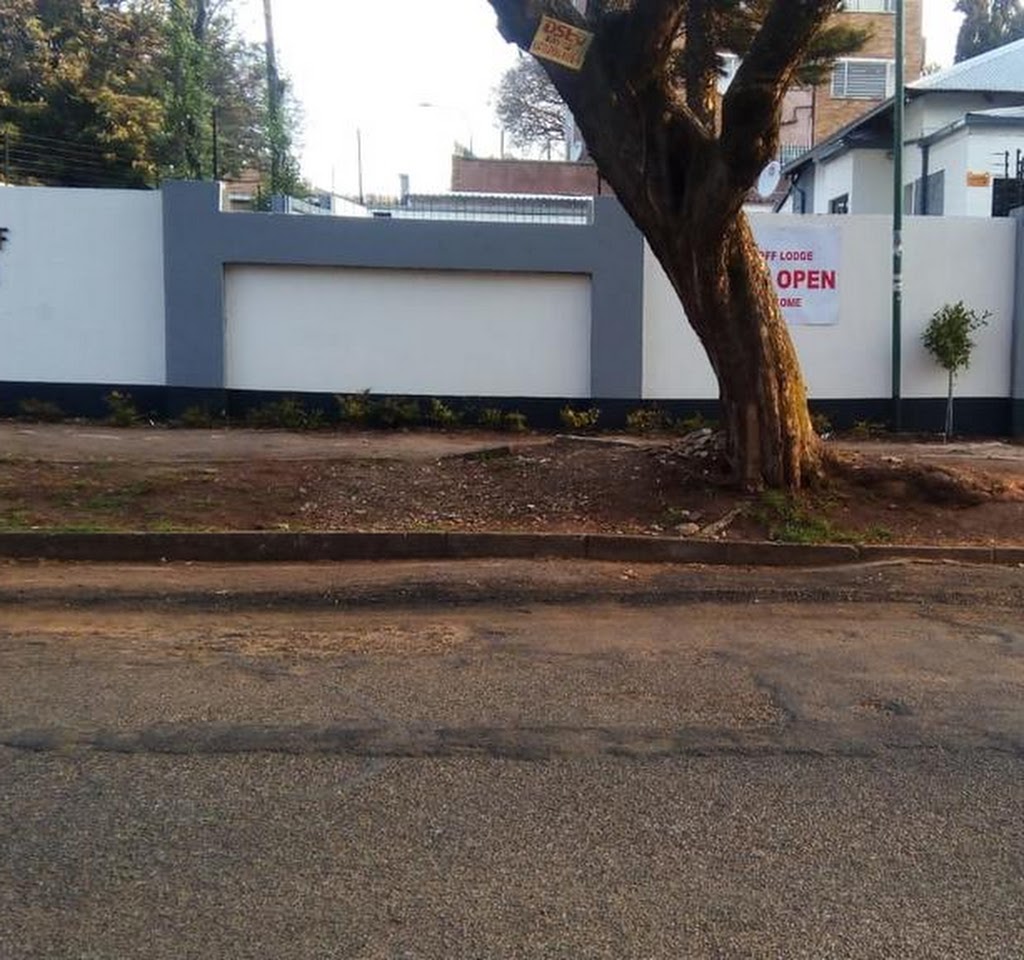
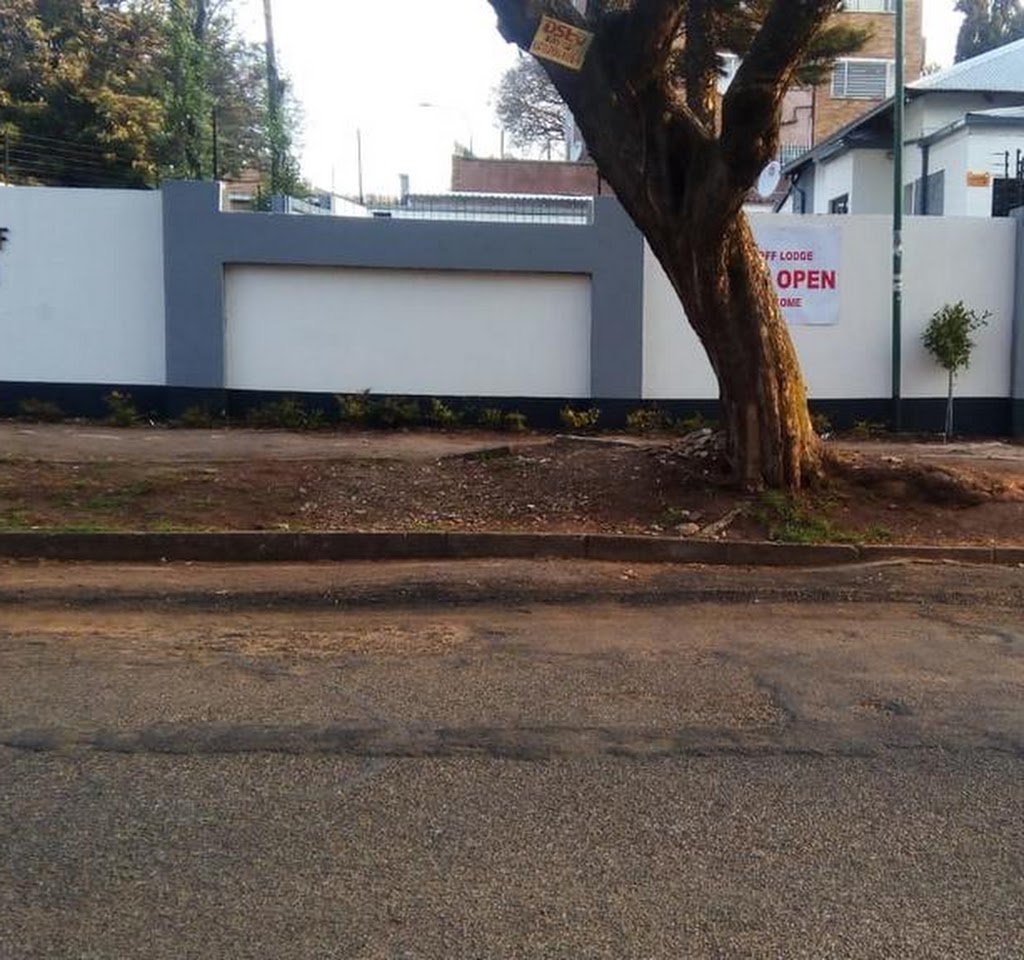
For many visitors, a well balanced itinerary combines a couple of longer, relaxed days with a few focused exploration blocks. A practical plan might include one or two nights in a central or northern suburb to anchor your travels, a day or two dedicated to museums or galleries in the city core, and a practical scout around a neighbourhood with pedestrian-friendly streets and varied dining options. An example stay could be at a cosy B&B or guesthouse such as E-JOFF Lodge, described here as a comfortable base from which to explore, with convenient access to major transport routes and local amenities. Always confirm with the host about the best routes to your planned activities and any local safety tips they may recommend.
To sum up, when planning a Johannesburg stay, think neighbourhood character, safety, transport access, and the practicalities of your daily schedule. Seek accommodation that matches your pace—whether a serene suburban guesthouse with garden spaces or a central boutique hotel with easy access to day trips and nightlife. Balance comfort with location, check for essential amenities, and keep a flexible mindset to enjoy the city’s breadth of experiences, from modern urban life to the region’s natural assets and culinary diversity. Websites for booking and host communications can help you tailor your trip to your interests, making your Johannesburg visit both comfortable and memorable.