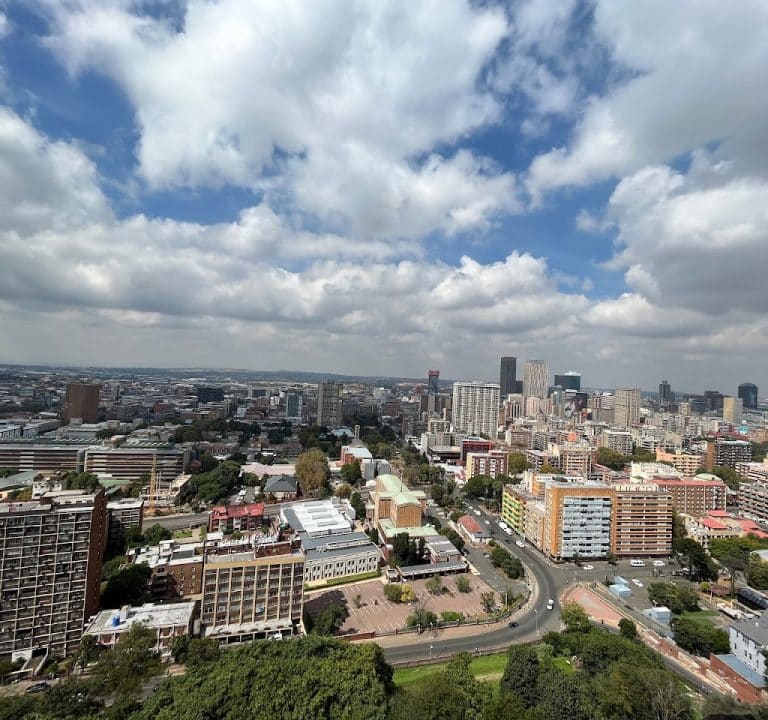
Exploring Johannesburg: Where to stay and what to do in Gauteng
Johannesburg, or Jo'burg as many locals affectionately shorthand, is a dynamic gateway to Gauteng’s urban energy and South Africa’s rich diversity. When choosing an accommodation in this sprawling city, most visitors weigh location, safety, access to transit, and the neighbourhood’s character. Options range from stylish serviced apartments and boutique guesthouses to modern hotels and long-stay flats. Planning a stay with practical basics in mind helps maximise your time, whether you’re in town for business, culture, or family-friendly exploration.
Where to base yourself matters. For a buzzy city-centre experience, consider the central business district or nearby neighbourhoods that offer easy access on foot to museums, galleries, markets, and a lively dining scene. If you prefer a more relaxed vibe with leafy streets and upmarket shopping, Sandton and Rosebank are popular choices with good rail and road links to the city core. For a cultural immersion and vibrant street life, Braamfontein and Maboneng offer creative atmospheres, while Soweto provides important history and outdoor markets within reach of guided tours. South of the city centre, neighbourhoods with a reputation for security and hospitality can be a smart balance between convenience and comfort.
When booking, look for clear details about security, access, and property management. Serviced accommodation can offer the comfort of a home with small touches that make a difference—reliable Wi-Fi, kitchen facilities, and on-site support are particularly helpful for longer stays. If you are travelling with family or a group, consider the layout (bedroom separation, private entrances, and parking arrangements) and whether the space is serviced or self-catering. For business travellers, proximity to convention centres, business districts, or transport hubs can save precious time.
Typical amenities to expect in well-run serviced accommodation or boutique hotels include: well-equipped kitchens or kitchenettes, daily or weekly housekeeping options, secure parking, laundry facilities, in-room safes, reliable security, and on-site reception or guest support. Some properties offer gym facilities, a communal lounge, and flexible check-in options. If you are specific about accessibility, check for step-free access, wide doorways, and elevator availability in multi-storey buildings. A clean, comfortable bed with quality linens and controlled heating and cooling is important in Johannesburg’s varying climate.
Transport is integral to planning a Jo’burg stay. The city’s road network is extensive, and Uber, Bolt, or local ride-hailing options provide convenient door-to-door travel. The Gautrain, when accessible from your hotel or serviced apartment, links Johannesburg with Pretoria and OR Tambo International Airport, offering a fast rail alternative for longer day trips. Within the city, taxis and app-based transport are widely used, while some areas have limited public transport late at night. If you plan to explore beyond the central sights, it’s wise to arrange a reliable transfer or car hire in advance to avoid delays.
The best time to visit Johannesburg balances weather, wildlife opportunities in nearby regions, and local events. The city experiences a mild, dry winter from May to August, with cooler evenings and pleasant daytime temperatures—great for walking tours and city strolls. Summer, from November to February, brings warmer conditions and occasional thunderstorms, which can offer dramatic skies but may disrupt outdoor plans. Spring and autumn offer comfortable temperatures for neighbourhood explorations, markets, and outdoor dining. If your trip includes day trips to nearby attractions, consider planning a few flexible half-day slots to accommodate weather and energy levels.
Attractions and experiences in Johannesburg fall into four broad categories: culture, history, markets and dining, and outdoor spaces. In the inner city and surrounding districts, you’ll encounter museums and galleries that illuminate South Africa’s past and present, as well as street art and preserved industrial heritage venues. Markets and eateries showcase a mix of traditional flavours and modern dining concepts, often with live music and artisan crafts. For a broader perspective, add a guided neighbourhood walk or a township visit to your itinerary—these experiences provide insight into the city’s social fabric. For nature and outdoor breaks, nearby parks and urban green spaces offer a respite from the urban pace, with scenic viewpoints and relaxed walking routes.
When it comes to dining, Johannesburg’s restaurant landscape spans contemporary eateries, casual bistros, and traditional South African fare. Rather than focusing on specific names, aim to discover places that match your mood—whether you crave a trendy, design-forward setting or a cosy spot with a neighbourhood feel. Many properties can arrange reservations or recommended routes for a self-guided dining circuit, including markets, cafes, and family-friendly venues. If you’re planning a tasting or a dining experience, check for any group or timing restrictions and whether reservations are essential, especially during weekend peaks.
Practical tips for a smooth stay in Johannesburg:
- Choose accommodation with clear security measures, well-lit access, and staff available for assistance outside of office hours.
- Ask about parking arrangements or secure garage access if you plan to drive or hire a car.
- Verify Wi-Fi reliability and consider a property with a dedicated workspace if you need to work remotely.
- Pack layers for the varying temperatures, including a light jacket for evening coolness and a sunhat for daytime heat.
- Plan a mix of indoor and outdoor activities to cope with weather and energy levels.
- Book ahead for popular experiences, tours, or culinary experiences, especially in peak seasons.
- Respect local customs and be mindful of safety recommendations, particularly in unfamiliar areas after dark.
For a well-rounded Johannesburg visit, pair your stay with a flexible itinerary that blends architectural highlights, cultural moments, and neighbourhood discoveries. With careful planning, a stay in a serviced apartment, boutique guesthouse, or modern hotel can offer both convenience and character, letting you experience the vibrancy of Gauteng while returning to a comfortable, well-supported base at the end of each day.