Exploring Johannesburg: Where to stay, what to do, and how to plan your visit
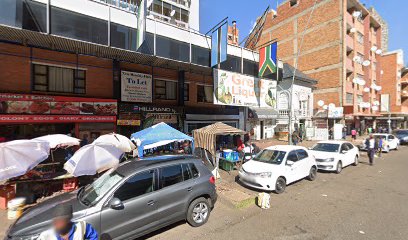
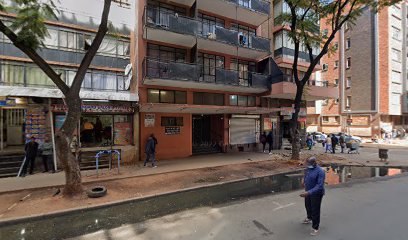
Johannesburg, or Jo’burg as many locals call it, is a dynamic hub of design, history and neighbourhoods that pulse with culture. When planning a stay in Gauteng’s largest city, travellers often prioritise accommodation that puts them near key sights, accessible transport links and neighbourhoods with a sense of place. Whether you favour a polished hotel in the northern business districts, a stylish boutique guesthouse in the inner city, or a family‑friendly lodge on the outskirts, Johannesburg offers options to suit different rhythms and budgets.
Choosing where to stay can shape your itinerary almost as much as your planned activities. The northern suburbs tend to be popular with visitors seeking easy access to shopping centres, business facilities and well‑established dining scenes. The inner city and central suburbs offer a more energetic vibe, with historic architecture, markets and a growing array of contemporary eateries. If you’re after tranquillity and value for money, mixed‑use areas on the outskirts provide opportunities for longer stays, with easy access to nature reserves and day trips to the surrounding regions. When you book, consider the following:
- Proximity to public transport hubs or major roads for easy day trips.
- Sound insulation and security features, particularly in busy zones.
- Availability of an on‑site restaurant, fitness facilities, and reliable Wi‑Fi if you plan to work remotely.
- Access to airport or rail links if you are arriving by air or long‑distance train service.
- Guest reviews noting staff responsiveness, cleanliness and practical quirks (like lift access or elevator timing in older buildings).
Typical amenities to look for include a comfortable bed with quality linens, climate control for hot summers and cooler nights, en‑suite bathrooms with good water pressure, and in‑room coffee or tea making facilities. Many properties also offer secure parking, 24‑hour reception, and clear information packs about local transport options. If you are staying longer, a kitchenette or self‑catering facilities can be a real convenience. For families, check for child‑friendly spaces, washing facilities, and safe neighbourhoods with nearby parks or playgrounds.
Transport in Johannesburg is a key planning factor. The city is well served by a network of taxis and rides‑hailing services, and there are commuter options such as the Gautrain for streamlined travel to Pretoria and OR Tambo International Airport. Within neighbourhoods, many hotels and guesthouses are within walking distance of cafés and shops, while others are best explored by car or on rides‑hailing apps. If you plan to rent a car, confirm on‑site parking rules and security provisions. For those relying on public transit, ask your accommodation about the nearest bus routes or metro stations and the typical travel times during the day and peak hours.
Best time to visit Johannesburg depends on your tolerance for heat and rain. The city experiences a warm subtropical climate with a distinct wet season in summer. Winter months are generally mild and dry, making them popular for city sightseeing and outdoor markets. Spring and autumn offer comfortable temperatures and pleasant light for exploring parks and outdoor galleries. Pack layered clothing, a light rain jacket for sporadic showers, and comfortable walking shoes for longer city strolls.
When planning an itinerary, consider pairing indoor cultural experiences with outdoor discoveries. The city is home to museums and galleries that illuminate South Africa’s past and present, along with vibrant markets, street art tours, and neighbourhood micro‑districts that showcase local design and cuisine. For a balanced visit, try a day focussed on a major museum or heritage site, followed by an afternoon exploring a neighbourhood known for its cafes, live music and small galleries. In the evenings, you can expect a diverse dining scene ranging from modern bistros to traditional South African eateries, with many venues offering seasonal menus and regional flavours in a relaxed setting.
Accommodation planning tips to enrich your stay:
- Book a central base if you prioritise easy access to sights and dining; alternatively, a quieter suburb can offer a calmer start to the day with simpler parking and a neighbourhood feel.
- Ask your host or front desk about recommended day trips, markets, and safety tips for visitors, as well as the best times to visit popular spots to avoid crowds.
- Consider a stay that offers flexible cancellation policies, especially if your travel dates are not fixed or if weather conditions may affect plans.
- Check for washer/dryer facilities if you are on a longer trip, and whether the property provides laundry services or self‑service options.
- Look for clear information about local transport options, including proximity to a rail or bus hub and how to reach the city’s major sights safely at night.
Beyond the overnight stay, the Johannesburg area offers a breadth of experiences. Visitors commonly enjoy a look at the city’s cultural and historical landscapes, a taste of modern South African cuisine in diverse dining districts, and opportunities to explore a range of parks and green spaces. A well‑planned trip balances comfort with curiosity: you’ll sleep well, eat well, and leave with a sense of the city’s layered stories. For practical planning, consider booking in advance for peak periods, confirming what is included in the rate (breakfast, parking, or airport transfers), and using trusted local sources to shape your daily routes. For more general information about the city and its attractions, see the official tourism resources and city guides.
For a starting point on ideas and practical planning, you can explore the City of Johannesburg’s official visitor information and related resources online.