Staying in Johannesburg: where to base yourself, what to expect, and how to plan your visit
Johannesburg, often known simply as Jo’burg or Joburg, is a sprawling metropolis of diverse neighbourhoods, cultural landmarks and vibrant street life. When choosing accommodation, consider the city’s variety of districts, ease of access to major sights, and the pace you want for your trip. Whether you prefer a stylish hotel in the heart of the city, a boutique guesthouse tucked away in a leafy inner suburb, or a modern apartment near bustling markets, there are options to suit most budgets and itineraries.
Neighbourhoods to consider include the central business district and neighboring urban villages, where converted lofts and contemporary hotels mix with live music venues and street art. The precincts of Braamfontein and Maboneng offer a creative buzz, with urban dining, galleries and markets within easy reach of several accommodation choices. Sandton provides a polished, business-minded stay with upscale hotels and easy access to a large shopping centre and executive transport routes. Rosebank combines stylish lodgings with easy access to parks, a popular market and convenient Gautrain links. For a quieter, residential feel while still being well connected, consider areas such as Melville or Greenside, which offer charm, cafés and a walkable streetscape.
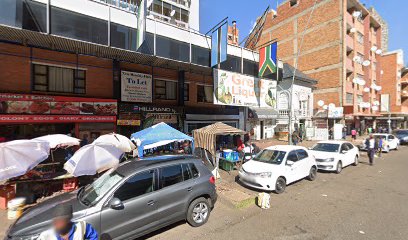
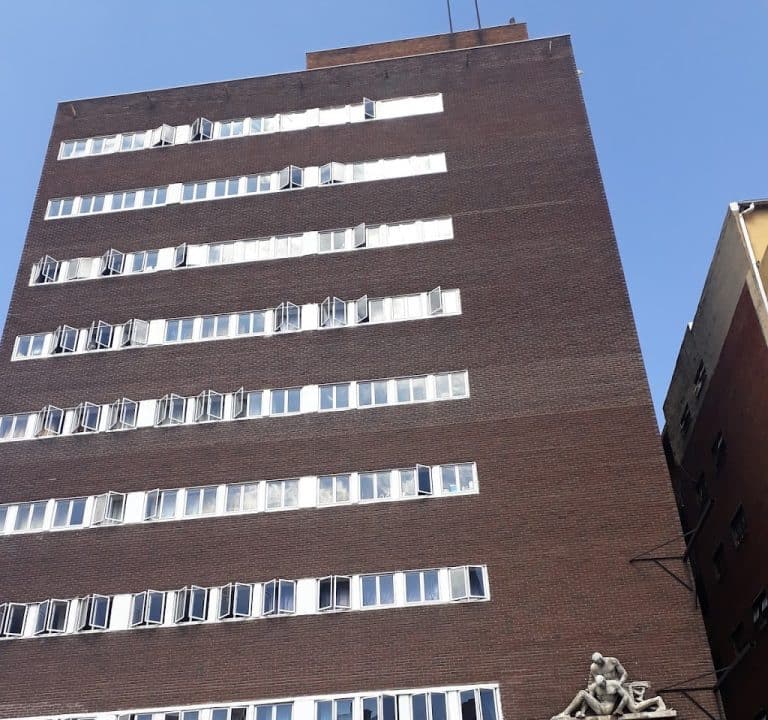
One notable hotel option often discussed by visitors is the Hillbrow inn, a historical-styled option within the inner city radius. While choosing such a property, pay attention to safety features, accessibility, and the level of service that matches your needs. Regardless of the exact address, ask about security arrangements, room layouts, and on-site facilities when booking in busy urban districts.
Typical amenities you can expect across confident mid-range to upscale properties include dependable Wi‑Fi, private bathrooms, air conditioning or efficient ventilation, and daily housekeeping. Many venues offer breakfast options, secure parking or convenient public transport access, 24‑hour reception, and parking facilities. Some hotels and guesthouses provide communal lounges or rooftops with city views, which can be particularly pleasant after a day of exploring. When shopping for a place to stay, clarify what is included in the rate, the policy on early check-in or late check-out, and whether there are guest-restricted areas or access limitations in the building.
Transport in Johannesburg is a practical consideration for planning your days. The city is large, and public transport ranges from rapid rail connections to bus services. If you want to minimise travel time, choose accommodation with easy access to a Gautrain station or main highways, and check whether the property offers airport shuttles or curated local transfers. For shorter trips, rideshare services and taxis remain common options. A plan that includes a couple of core neighbourhoods and a couple of day trips helps you balance time on the move with time for leisure, meals and cultural visits.
The best time to visit Johannesburg depends on your priorities. The climate features warm summers with afternoon thunderstorms and mild winters. If you want outdoor activities and long daylight hours, the spring and autumn windows are pleasant. For a higher chance of dry weather, late spring or early autumn can be especially good for city walks, park visits and markets. If you are interested in indoor experiences, Johannesburg’s museums, galleries and historic sites are rewarding year-round and can offer a comfortable retreat during hotter or wetter days. Always check local event calendars for concerts, markets or cultural performances that could shape your itinerary.
When planning an itinerary, consider pairing city highlights with nearby nature and heritage visits. In and around the city, you’ll find museums such as the strongholds of South Africa’s past, vibrant markets, and a thriving culinary scene with a broad range of restaurants offering contemporary, traditional and fusion cuisines. Rather than aiming to visit every attraction, organise a focused route by area—for example, a day in the central city exploring urban art and historic sites, another day in a precinct known for dining and boutique shops, and a day trip to nearby hills or parks for a breath of fresh air.
Practical tips to help you get the most from your stay:
- Book accommodation with reliable security and clear access routes, especially if you plan to wander in the inner-city area after evening hours.
- Check for flexible cancellation policies in case your plans change and consider staying longer if you want to reduce daily travel.
- Ask about on-site dining options, nearby cafés, and whether there are kitchen facilities or grocery delivery options if you prefer self-catering.
- Plan light luggage if you intend to explore on foot or use local transport; many areas have steep streets or uneven pavements.
- Respect local customs and be mindful of personal safety while sightseeing—staying in well-lit areas after dark and using approved transit services.
When researching attractions and dining, consider general terms of experience rather than specific price points or awards. For planning resources, you can consult official tourism pages and city guides which outline museum hours, market days and transport maps. A well-chosen stay in Johannesburg should balance comfort, accessibility and a sense of discovery, giving you a foothold to explore one of South Africa’s most dynamic cities with confidence.