Accommodating Johannesburg: Where to stay and what to do in Gauteng’s vibrant city
Johannesburg, or Jo’burg as many locals call it, offers a mix of contemporary lodges, boutique guesthouses and comfortable hotel chains that suit a range of tastes and budgets. When planning a stay, think about which neighbourhood will place you closest to the experiences you value, whether that’s culture and heritage, nightlife and dining, or easy access to business districts. Areas such as Sandton, Rosebank, Maboneng, Braamfontein, and Newtown each bring a distinctive flavour and rhythm, while Soweto offers a compelling window into South Africa’s history and everyday life. For those seeking a quieter escape, there are countryside-style lodges on the city’s outskirts that still benefit from easy road connections to the central sights.
What to look for when booking a stay in Johannesburg matters as much as the price. Prioritise a comfortable bed and clean, well-maintained spaces, reliable Wi‑Fi, and secure on-site parking if you plan to hire a car. Consider whether you’ll rely on taxis or rideshares to explore at night, and choose accommodation that offers easy access to major routes or has a reputable shuttle service. If you’re visiting during peak seasons, read recent guest reviews about soundproofing and quiet hours, since some central properties can be lively at the weekends. For longer stays, a kitchenette or room with a fridge, a functional workspace, and laundry facilities can be real advantages.
Typical amenities across Jo’burg’s accommodation spectrum include free or paid breakfast options, on-site parking, 24-hour reception, and concierge services to help you plan day trips. Some lodges and guesthouses might offer a pool, a garden area, or a small fitness room, while many hotels provide business facilities, meeting rooms, and in-house dining. If you’re chasing a more intimate experience, a boutique lodge or guesthouse in a leafy suburb can feel like a home-from-home—with personalised service and a strong sense of place. For a stay marked by comfort and convenience, read the property’s policy on housekeeping and any additional charges such as city tourist taxes before you book.
Transport around Johannesburg is straightforward but varies by area. If you’re centred in the northern suburbs, you’ll often have quick access to malls and business districts by car. The Gautrain provides a fast rail link to Pretoria, Sandton, and OR Tambo International Airport, making it a convenient option if you’re travelling light on luggage. Within the city, rideshare apps are widely used and taxis are readily available, though it’s sensible to plan routes in daylight for longer evening outings. Some lodges and guesthouses include airport transfers or shuttle services, which can simplify the logistics of arrival and departure.
Best time to visit Johannesburg is generally during the Southern Hemisphere’s autumn and winter (April to August) when daytime temperatures are mild and the air is often crisp. Summers (November to February) bring occasional thunderstorms and higher humidity, which can be tropical and refreshing, especially after a day of touring. Spring and autumn tend to be ideal for exploring outdoor attractions and parks, with less crowding than during holiday periods. If your trip includes acts or galleries, check local listings as venues can vary in opening hours and seasonal programming.
When planning the itinerary, consider pairing a couple of longer, culture-rich days with lighter, more relaxed ones. A morning spent at a major heritage museum or a guided Soweto township tour can offer insights into the city’s past and present, while afternoon explorations of markets, galleries, and street food can showcase Johannesburg’s contemporary energy. For nature lovers, nature reserves and botanical gardens around the city offer scenic escapes without long travel times. In the evenings, a stroll through cosmopolitan districts with dynamic dining scenes can be a highlight, from casual bistros to fine dining establishments that celebrate South African produce and global flavours. Although specific venues change over time, look for places that emphasise quality ingredients, thoughtful service, and a sense of place.
Practical tips for a smooth stay include booking flexible rates when possible, especially if your plans might shift by a day or two. Check the property’s cancellation policy and whether breakfast is continental or full-service. If you’re driving, confirm on-site parking availability and any height or security restrictions. Pack adaptable clothing for variable weather, particularly if you’re visiting during shoulder seasons. Public health and safety concerns are manageable with standard precautions, and most attractions and eateries welcome visitors with diverse backgrounds and interests.
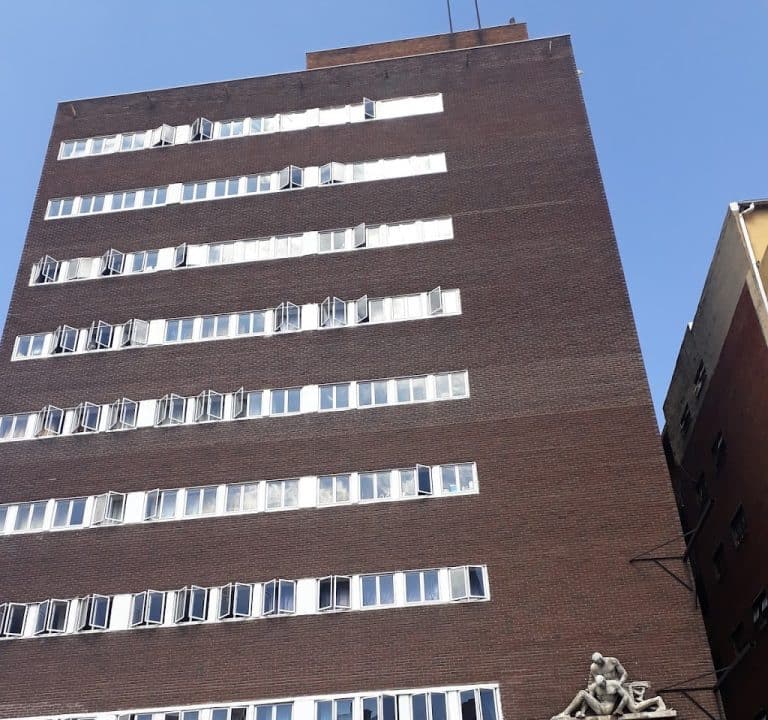
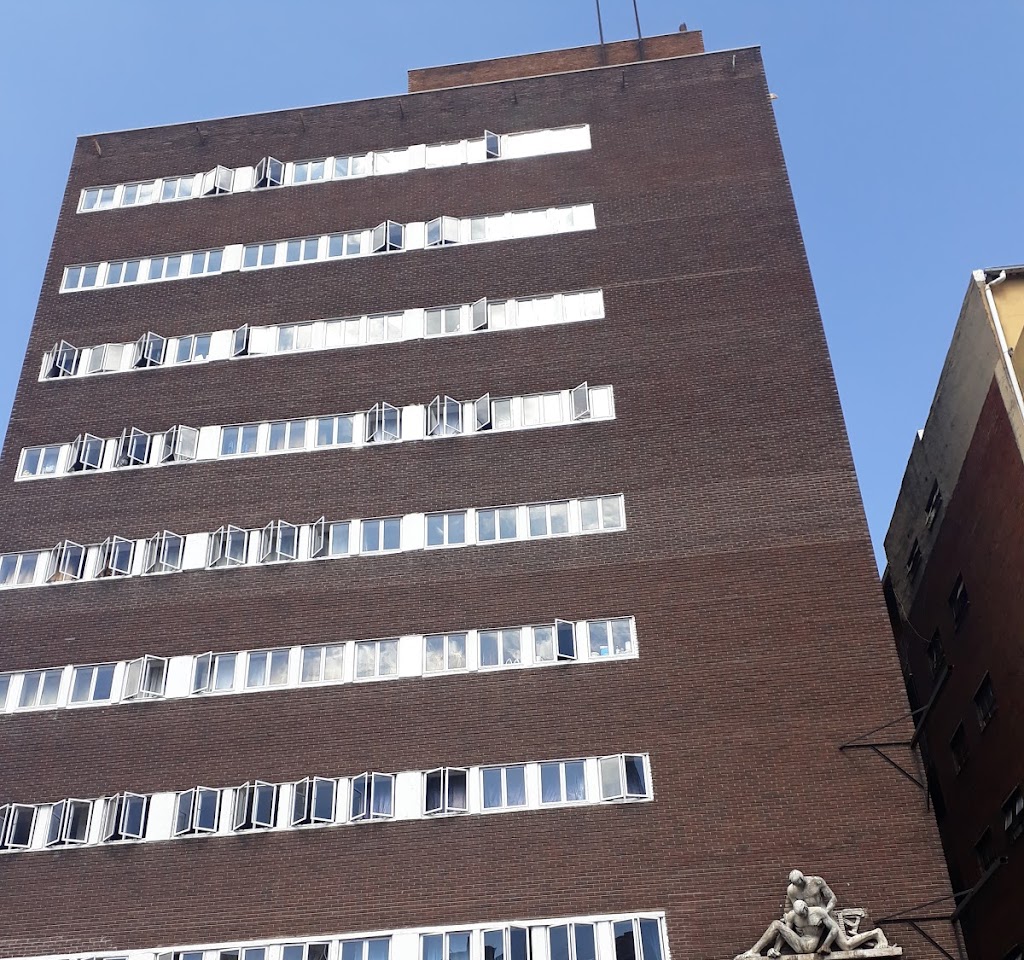
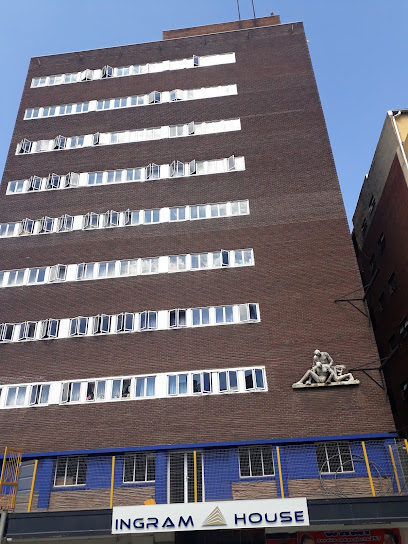
For inspiration and an overview of what Jo’burg has to offer, you can explore official resources and tourism guides. A good starting point is the city’s tourism information, which profiles neighbourhoods, major attractions, and practical visitor tips. To see general guidance and planning ideas, visit Visit Joburg. And if you’re considering a stay at a lodge such as Igram House, you’ll find that lodges in the region often balance cosy, personalised service with convenient access to the city’s core experiences, making them a strong option for travellers seeking a relaxed pace without sacrificing urban access.
- Consider the neighbourhood’s vibe and proximity to your planned activities
- Prioritise secure parking or convenient transport links
- Check for essential amenities: reliable Wi‑Fi, good heating/cooling, and practical workspace
- Plan a balanced mix of cultural sights, markets, and culinary experiences