Johannesburg, Gauteng: accommodation planning, attractions and dining for a memorable stay
Johannesburg, or Jo’burg as it is affectionately known, offers a vibrant mix of urban energy, cultural history and modern leisure. When planning a stay in Gauteng’s largest city, a thoughtful approach to area choice, amenities and transport will unlock a comfortable and convenient visit. From central districts with easy access to museums and markets to leafy suburbs with boutique hotels and guesthouses, there are options to suit a range of budgets and travel styles.
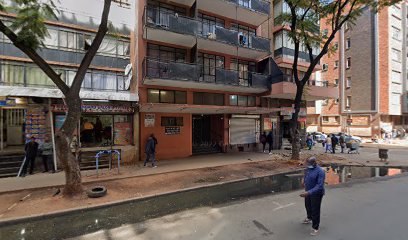
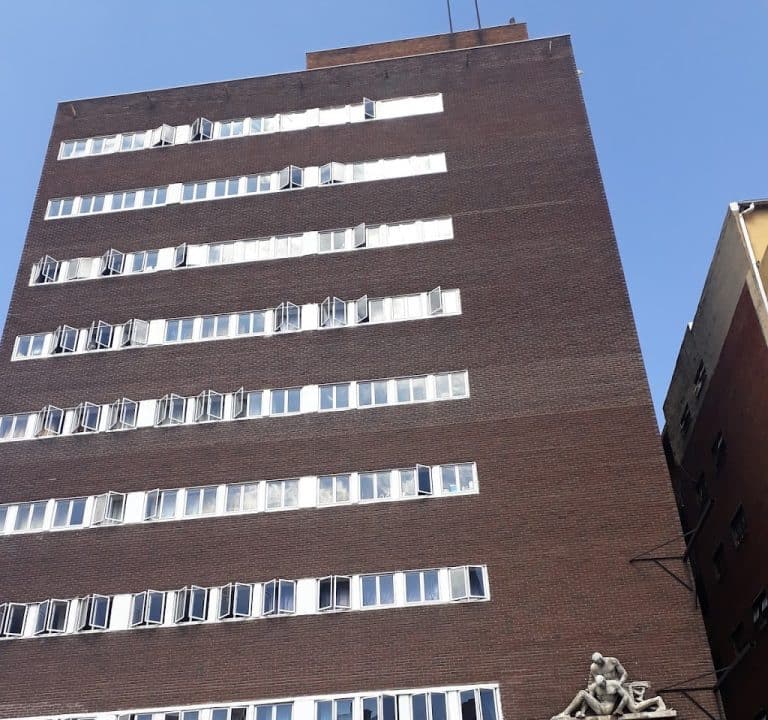
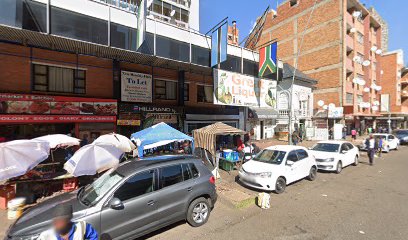
Areas to consider for accommodation include the pace of the city’s core and the calm of its surrounding suburbs. The central business district often places visitors within walking distance of galleries, cafes and nightlife, while Sandton and Rosebank provide a more contemporary hotel scene with shopping and dining hubs. Braamfontein and Maboneng are popular among travellers who value a thriving arts and food scene, with characterful boutique stays and easy access to street markets and casual eateries. In Soweto, guesthouses and smaller hotels can provide a meaningful gateway to South Africa’s history and culture, often at different price points and with a warmer, more personal service. When choosing an area, consider your daily plan: proximity to attractions, your preference for nightlife, and the ease of getting back to your base after evening activities.
Typical amenities to look for include reliable Wi‑Fi, secure on-site parking or convenient public transport links, a friendly reception team, and breakfast options that suit your pace. If you expect to work during your trip, check for ergonomic workspace in rooms or lounges. For a family-friendly stay, ask about interconnecting rooms or suites and child-friendly facilities. If you are visiting over peak events or conferences, book early and confirm flexibility on cancellation. For travellers who value sustainable choices, enquire about energy-efficient measures, recycling facilities and the use of local suppliers in restaurants or breakfast service.
Transport in Johannesburg is well supported by a mix of options. A regional rail link, such as the Gautrain, offers speedy connections to Pretoria and OR Tambo International Airport, making stays convenient for those arriving from other parts of South Africa or beyond. Within the city, Uber and other ride-hailing services are widely used, and there are reputable taxi networks and rental car options. If you are happy to explore at a slower pace, many neighbourhoods are walkable and have nearby cafés, shops and parks. When you plan daily itineraries, consider travel times and the city’s traffic patterns, leaving a little extra time for busy periods and roadworks common in urban centres.
Best time to visit Johannesburg is generally during the dry season from late autumn into winter (roughly May to August), when days are mild and chances of rain are lower. However, the city’s summer months offer lush gardens, more vibrant markets and longer daylight hours for evening strolls. If you are interested in outdoor experiences, mornings are typically pleasant for parks and garden routes, while late afternoons work well for city tours and dining al fresco. Pack a light layer for cooler evenings and a sunhat or sunscreen for daytime sightseeing, depending on the season.
In terms of attractions, Johannesburg is a tapestry of history, art and modern energy. You can expect world-class museums that explore the country’s past, engaging open-air art districts, and markets where local crafts and street food reflect the city’s diverse communities. For a flavour of urban culture, districts with galleries, concept stores and casual eateries offer a sense of place, while larger venues host exhibitions, live music and theatre. If your itinerary includes tours, consider a guided option to gain context about the city’s social history, architecture and evolving neighbourhoods. Day trips to nearby sites such as historic townships or nature reserves provide a broader perspective on Gauteng’s landscape and heritage.
Dining in Johannesburg ranges from contemporary bistros to traditional and globally inspired cuisine. In central and inner-city areas you’ll find cafés and eateries that showcase creative menus, vibrant breakfast scenes and relaxed lunch spots. Suburban and upmarket districts feature stylish restaurants and brasseries with varied menus, including South African flavours alongside familiar favourites. For a lighter option, look for trendy brunch spots and markets offering fresh produce and artisanal bites. When selecting restaurants, check for menus, opening hours and booking policies, particularly on weekends or during events. A good approach is to combine one or two well-regarded meals with several casual stops to sample different neighbourhoods and atmospheres.
Optional planning checklist:
- Choose accommodation by area based on your planned activities and preferred pace of life.
- Check room types, connectivity, and breakfast options; ask about parking and transport links.
- Review cancellation policies and flexibility for changes in plans or events.
- Plan a balanced mix of museum, market, and dining experiences; include a township or neighbourhood tour for context.
- Consider safety, especially for night-time mobility; use approved transport and trusted guides.
Whether you are seeking a boutique stay in a bustling precinct, a comfortable base close to major attractions, or a guesthouse with a personal touch, Johannesburg offers a spectrum of choices to suit most itineraries. With careful planning, travellers can enjoy convenient transport, rich cultural experiences and a dynamic dining scene that captures the heart and energy of Gauteng.