Accommodation and Experiences in Johannesburg, Gauteng
Johannesburg offers a broad range of places to stay, from boutique hotels tucked into vibrant urban streets to comfortable guesthouses in leafy residential pockets. When planning a stay, think about what you want to get from the city: accessibility to city highlights, quiet downtime, or easy access to nightlife and dining. The city is well served by a network of roads and a limited rail system, complemented by reliable taxi and rideshare options, making it feasible to base yourself in several different neighbourhoods depending on your itinerary.
Neighbourhoods to consider include the bustling city centre and the surrounding urban redevelopments, which provide easy access to museums, markets, and cultural experiences. For a more relaxed stay with high-end conveniences, the northern suburbs offer secure, leafy streets and convenient shopping, while multiple hubs along key corridors provide a mix of modern hotels and characterful guesthouses. If you are visiting for business or shopping, areas around major malls and business districts can be convenient, but you may wish to balance proximity with a calmer residential atmosphere for downtime after a busy day.
When selecting accommodation, look for features that improve your stay: reliable wi‑fi, secure parking or easy parking access, 24-hour reception, and clear guidance on transport options. A complimentary breakfast can save time in the morning, while on-site coffee stations and comfortable lounges help you unwind. If travelling with family or larger groups, apartments or suites with separate living spaces can contribute to a more relaxed stay. For those seeking a more intimate experience, a charming boutique hotel or a well-rated guesthouse often offers personalised service and local insights that larger properties may not provide.
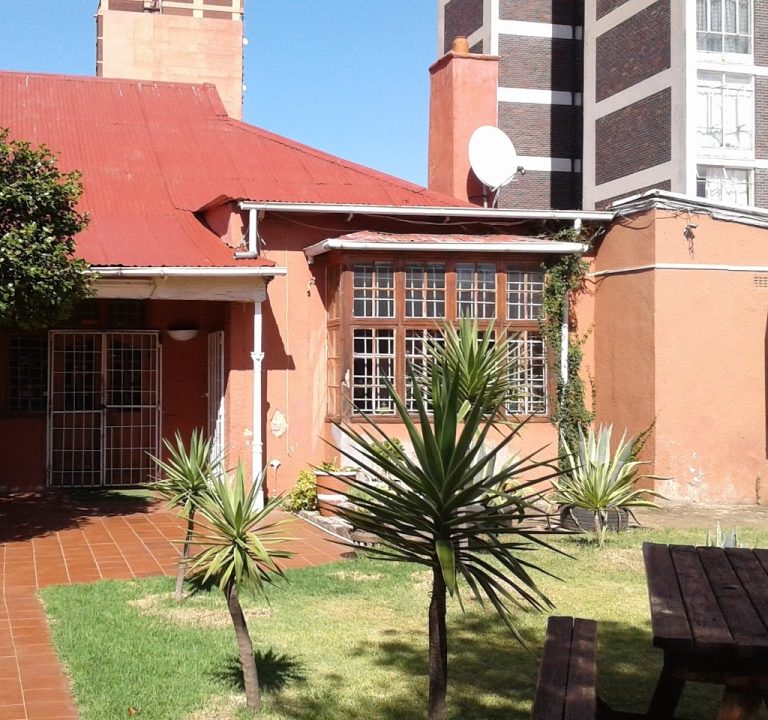
Typical amenities to expect in Johannesburg’s varied stays include air conditioning or ceiling fans, en-suite bathrooms, secure access, and in-room amenities like kettles and workspaces. Some properties offer fitness facilities, business lounges, or small meeting rooms, which can be useful for travellers combining work with exploration. Public spaces in hotels and guesthouses often feature comfortable seating, libraries, or courtyard gardens, providing a calm retreat after a day of sightseeing.
Transport planning is essential. Depending on your chosen area, access to the Gautrain stations can simplify trips to the city centre or to Pretoria; taxis and rideshare services are widely available. If you plan day trips to nearby attractions, consider close proximity to major road routes or tour operators who organise city tours, township visits, or nature escapes. For travellers prioritising walking access, central districts offer compact layouts with cafés, markets, and cultural venues within a short stroll of a well-located base.
The best time to visit Johannesburg generally matches South Africa’s mild winter (May to August) and spring (September to November), though the city’s climate remains adaptable year-round. Summers can be warm to hot, with occasional afternoon showers, while autumn brings clear skies and comfortable conditions. If your itinerary includes outdoor activities or safari day trips to neighbouring regions, plan accordingly and allow for some flexibility in your schedule.
Practical planning tips to maximise your stay:
- Book in advance during peak travel periods, particularly around school holidays and big sporting or cultural events.
- Read guest reviews to gauge consistency in service, room presentation, and sound levels.
- Ask about parking arrangements, as on-street restrictions and building access can vary by area.
- Request information on nearby dining options, markets, and cultural venues to tailor evenings to your interests.
- Centre your itinerary around a few “must-see” experiences—museums, markets, or a guided township tour—and build your days around them.
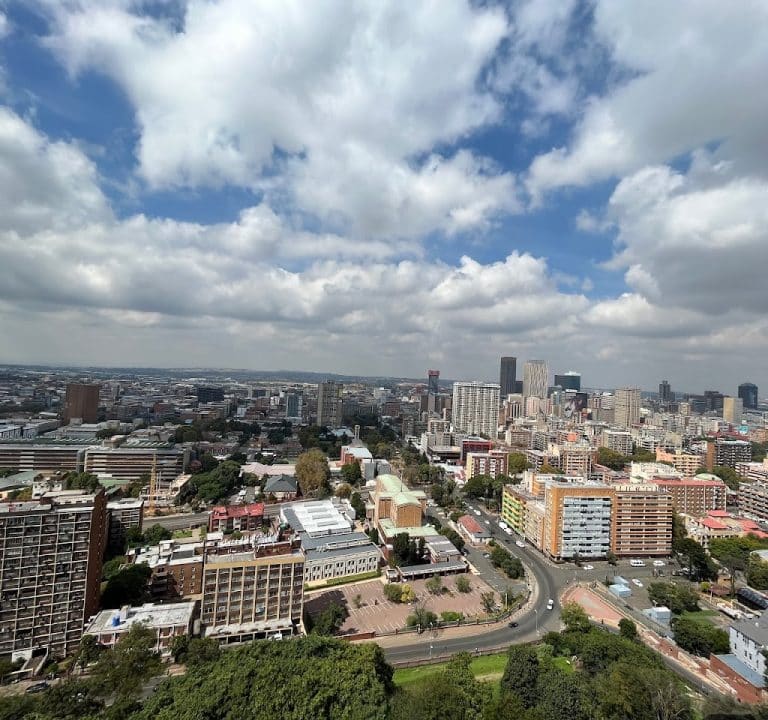
Beyond the staying options, Johannesburg offers a wealth of experiences that complement any visit. Museums and galleries showcase South Africa’s history and contemporary culture, while markets and street food spots provide an introduction to the city’s diverse flavours. If you enjoy city views and architecture, you can take strolls through beacon-lit streets or join guided neighbourhood walks to learn about local stories and community projects. For those seeking a relaxed day, parks and botanical spaces offer green respite within the urban tapestry.
For more information on Johannesburg’s tourism offerings, you can explore official city resources and tourism portals, which outline city-wide attractions, safety tips, and transport guidance. Example stays in the Berea area illustrate how a central, well-connected base can support both sightseeing and convenient dining options, with easy access to bus routes, rideshare services, and local eateries. When planning, consider pairing a city-base stay with a day trip to nearby natural or cultural sites to experience Gauteng’s contrasts—dynamic city life by day, tranquil outskirts by afternoon or evening.