Accommodation and attractions in Johannesburg, Gauteng: planning your stay
Johannesburg offers a lively mix of neighbourhoods, modern hotels, characterful guest houses and self‑catering options, all set against a dynamic arts and culinary scene. Whether you’re business‑mired in meetings, visiting museums, or exploring urban markets and galleries, planning in advance helps you make the most of your time. Consider staying in a central hub such as the northern suburbs or the inner city, where access to public transport and major routes is straightforward, while still feeling connected to local life.
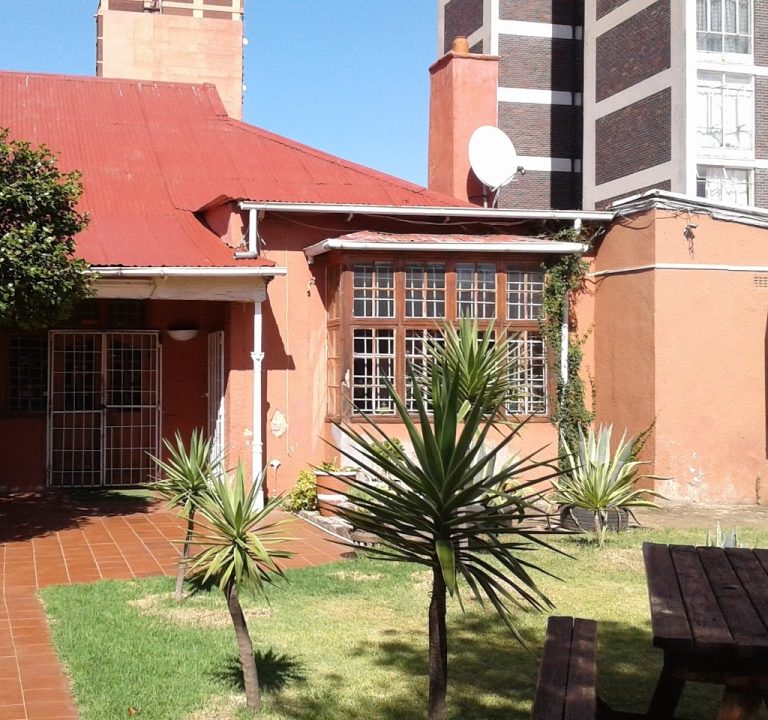
One example of a guest house that captures the city’s approachable charm is Joel House, a property that blends comfortable, home‑from‑home hospitality with convenient access to central Johannesburg. If you’re weighing options, think about what matters most: a friendly host, the room layout, and the amenities that support your plans—whether it’s a quiet work space, a hearty breakfast, or secure parking for a rental car. Booking platforms often provide useful filters to match your priorities, from 24‑hour reception to laundry facilities or airport transfers.
Areas to consider when choosing where to stay include:
- Sandton and Rosebank: great for shopping, business districts, well‑connected transport links and a cosmopolitan dining scene.
- Newtown, Braamfontein and the Johannesburg CBD: a pulse where heritage, markets, street art and cultural venues sit side by side; ideal for walkers who want to absorb the city’s energy.
- Parkhurst and Fourways: leafy residential vibes with easy access to restaurants and entertainment without being far from central sights.
- Soweto and neighbouring townships (explored through protected, well‑organised tours): a window into history and everyday urban life.
What to look for when booking a place to stay:
- Security and comfort: check for secure access, good lighting, and reliable housekeeping to ensure a restful stay.
- Public transport and parking: proximity to railway stations or bus routes, and whether on‑site parking is available if you’re driving.
- Amenities that fit your schedule: a strong Wi‑Fi connection, a well‑equipped kitchen or breakfast service, and a practical desk space if you’re working.
- Guest reviews and host responsiveness: recent feedback can reveal consistency in cleanliness and helpfulness.
- Location relative to planned activities: map out a rough itinerary to see how far each day’s travel would be, and choose a base that reduces commute time.
Typical amenities you may encounter include private or en‑suite bathrooms, comfortable lounges or patio spaces, and room configurations for couples, families or solo travellers. Breakfast options vary from continental to full cooked meals, sometimes with locally sourced ingredients. Many properties now offer flexible check‑in times, self‑check‑in with a smart lock, and a curated selection of maps and local recommendations to spark your daily adventures.
Getting around Johannesburg is straightforward with a mix of transport options. If you’re flying via OR Tambo International, a short journey into the city centre or Sandton is common, with airport transfers or taxis readily available. In the city, rideshares and metered taxis are convenient for short trips, while Gautrain services link popular hubs efficiently for day trips to Pretoria or the northern suburbs. For longer stays, renting a car provides the most flexibility to explore beyond the immediate urban core, including nearby nature reserves, markets, and historic sites.
Best time to visit Johannesburg generally falls outside the peak heat of summer for more comfortable daytime exploration, though the city’s winter (May to August) is characterised by cool, dry days with excellent visibility for outdoor activities. If your trip revolves around events, exhibitions, or markets, plan to coincide with local happenings and half‑day or full‑day itineraries that let you sample the city’s contrasting environments—from leafy residential streets to dynamic urban venues.
Attractions and experiences in and around the city cover a wide spectrum. You might structure a stay around learning about South Africa’s history at national museums and heritage sites, visiting art galleries and street‑level murals, and enjoying diverse dining experiences that reflect the city’s cultural tapestry. Parks and viewpoints offer spaces to unwind between urban explorations, while markets and informal eateries provide opportunities to sample local flavours in a relaxed setting. If you’re interested in guided experiences, look for reputable operators who offer township, architectural, or nature‑based itineraries, with clear notes on safety and itineraries.
To help you tailor your days, keep a flexible approach. Start with a plan for central locations with easy access to major sights, then add day trips to nearby suburbs or historic sites. Allow time for leisurely brunches or coffee in popular neighbourhoods, and reserve evenings for dining in districts known for their vibrant culinary scenes. By balancing accommodation, transport, and a well‑paced itinerary, you can enjoy Johannesburg’s mix of modern amenities and enduring heritage without feeling rushed.