Staying in Johannesburg: where to stay, what to look for, and how to plan your visit
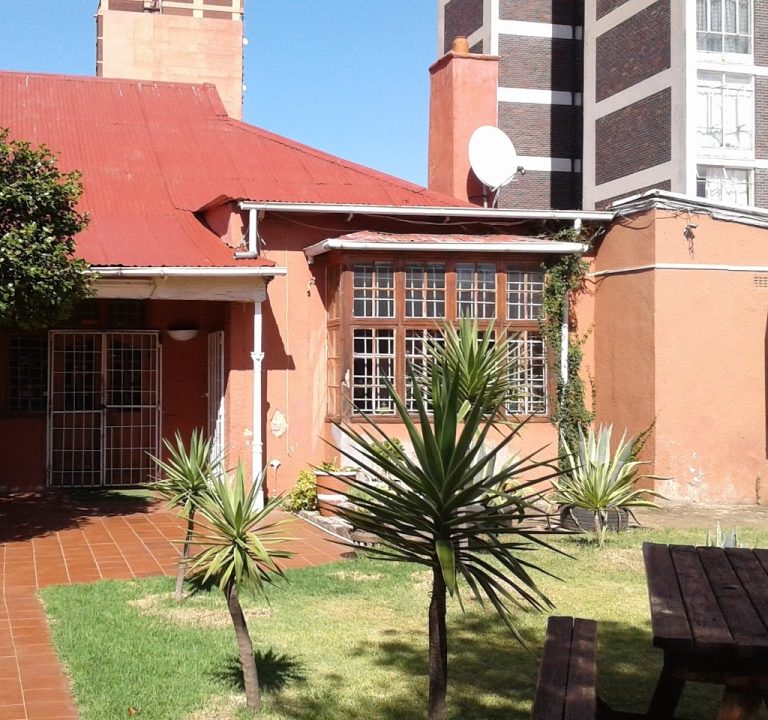
Johannesburg, or Jo’burg as it is affectionately known, is a vibrant gateway to Gauteng’s culture, history and modern energy. When planning a stay, travellers often weigh neighbourhoods by vibe, safety, access to public transport and proximity to major sights. From upmarket suburbs with leafy streets to lively inner-city precincts and shaping-edge cultural hubs, there is a range of guest houses, B&Bs and boutique hotels to suit different styles and budgets. A respected option in the guest house category is Wise Waters Guest House, which demonstrates how personal service and thoughtful touches can elevate a stay without compromising comfort.
Areas to consider include the central-core districts for convenience and atmosphere, such as the inner city and nearby up-and-coming precincts. These areas typically provide easy access to museums, galleries, eateries and walkable streets, with a mix of modern rooms and historic architecture. Suburban hubs such as Sandton and Rosebank offer a more polished, residential feel, often with larger rooms, secure parking and proximity to shopping complexes and business facilities. For a creative buzz and nightlife, neighbourhoods like Braamfontein and Maboneng are popular with visitors who want to be within walking distance of cafés, street art, and small venues. Soweto, while further afield, rewards travellers with immersive heritage experiences and a different pace of urban life.
When booking, look for certain practical amenities that make a visit smoother. A comfortable bed with clean linens, a well-equipped bathroom, reliable wi‑fi, and climate control are baseline expectations. A guest house or B&B may offer wholesome breakfasts or a self-catering option, which can be especially convenient for longer stays. Secure parking or easy access to public transport is a real perk in Johannesburg, where traffic can be congested and rideshares are common. Hosts who provide local tips—such as safe routes for walking, nearby markets, and nearby dining options—can add real value to your itinerary. If you are travelling for business, verify desk space, a comfortable work area, and proximity to business districts or conference venues; leisure travellers may prioritise a stylish common area, a patio, or a small garden where you can unwind after a day of exploring.
Typical amenities you may encounter in Johannesburg guest houses and boutique stays include en-suite bathrooms, tea-and-coffee stations, air-conditioning or ceiling fans, and shaded outdoor areas. Some properties offer swimming pools, which can be particularly appealing during the warmer months. Strongly consider how breakfast is handled, and whether there is a self-serve option for flexibility. Accessibility features, a luggage store, and clear safety information are also worth checking, especially if you plan to explore on foot or use public transport after dark.
Transport in Johannesburg is well served by a network of options. The Gautrain provides fast connections between Johannesburg and Pretoria and the OR Tambo International Airport, while local taxis and rideshare services are widely available. If you prefer to hire a car, ensure your accommodation has secure parking or easy street parking. Some guests enjoy staying in central districts to minimise car use and to walk to theatres, markets and eateries; others value the convenience of a quieter suburban setting with easy access to highways for day trips to nearby attractions such as the Cradle of Humankind, the Walter Sisulu Botanical Garden, or the Magaliesberg region. Planning ahead for transfers, especially on arrival and departure days, helps avoid delays and makes the first and last miles of your journey straightforward.
The best time to visit Johannesburg depends on your interests. The city experiences warm summers and cooler winters. Spring and autumn bring milder temperatures that are pleasant for outdoor exploring and neighbourhood strolling. If you plan to visit outdoor markets, gardens and parks, late spring or early autumn can be particularly enjoyable. If you are in town for cultural events, keep an eye on local calendars for music, theatre or gallery openings, which can add a vibrant layer to your stay.
To make the most of your trip, blend accommodation with accessible attractions and dining experiences that suit your pace. Must-do experiences in general terms include learning about South Africa’s complex history at museums and heritage sites, discovering local design and street art, and sampling a range of culinary offerings—from casual street-food-inspired stops to refined restaurants. In terms of dining, Johannesburg’s restaurant scene is diverse and evolving, with venues offering modern twists on traditional flavours and casual, family-friendly spots that showcase local ingredients. When choosing where to eat, look for places with good walkability from your chosen neighbourhood, or convenient transit options for an after-dinner return to your guest house.
Practical tips to help you plan sanity‑friendly trips: map out a ballpark itinerary that clusters sights by neighbourhood to minimise backtracking, and build in downtime between activities. Contact your accommodation ahead of arrival to confirm check-in procedures and any security measures. Pack adaptively for Johannesburg’s climate and consider travellers’ essentials such as a light rain jacket in case of sudden showers, and comfortable shoes for urban exploring. Keep copies of travel documents and a basic local map handy, and download offline maps in case of limited data connectivity when you are out exploring.
- Consider staying in a guest house with a personal touch and an emphasis on guest comfort, safety, and local insights.
- Look for options offering secure parking or easy access to reliable transport links.
- Choose areas based on your priorities: central convenience, cultural vibrancy, or a calmer residential feel.
With thoughtful planning, a stay in Johannesburg can be a balanced blend of comfort, culture and convenient access to the city’s varied attractions and cuisines. Whether you opt for a boutique guest house such as Wise Waters or another well‑appointed retreat, you can enjoy a warm welcome, home-from-home amenities, and the opportunity to discover a dynamic city that sits at the heart of Gauteng.