Accommodating Addo: where to stay and how to plan your visit in the Eastern Cape
Addo, in the Eastern Cape of South Africa, offers a relaxed base for exploring wildlife, landscapes and coastal experiences. Whether you prefer a boutique bed and breakfast, a comfortable lodge, or a self‑catering stay with the family, there are options to suit most travellers. Plan your stay around practical logistics, what you want to see, and how you like to unwind after a day of adventure.
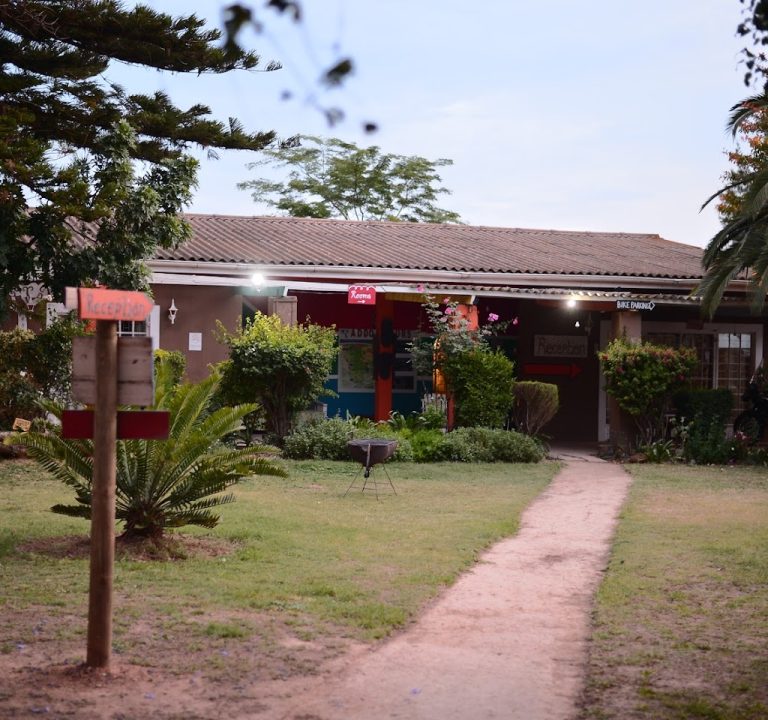
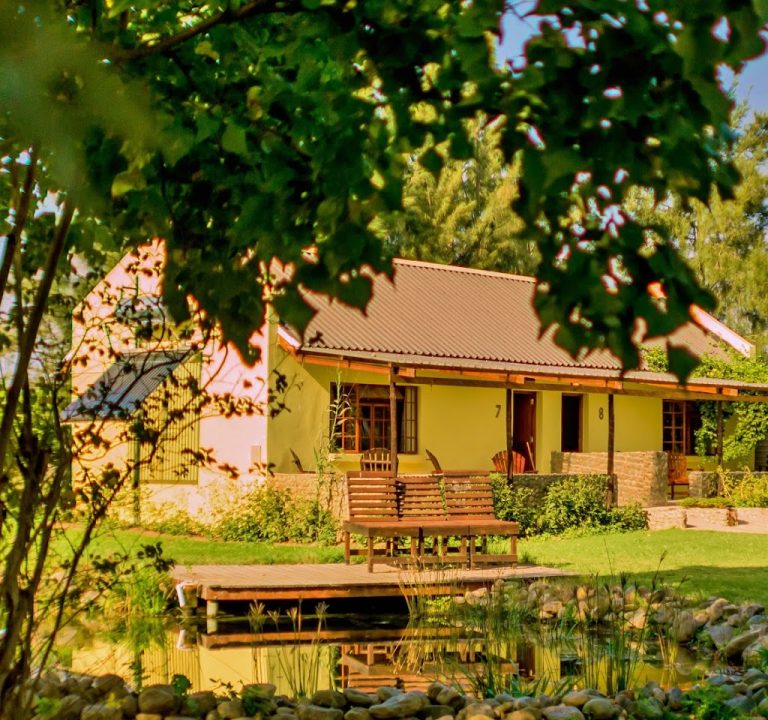
Key areas to consider when choosing accommodation include Addo itself, the surrounding rural estates, and the nearby coastal towns that mark the edge of the Greater Addo area. Highfields and other inland lodges often provide a peaceful, intimate atmosphere with easy access to game drives and nature trails. If you want a quick hop to the coast, look for places within a short drive of the coastline and reserve spillover days for marine or beach activities. Proximity to the Addo Elephant National Park gates is a popular factor for wildlife enthusiasts, while families may prioritise kid‑friendly facilities and self‑catering options.
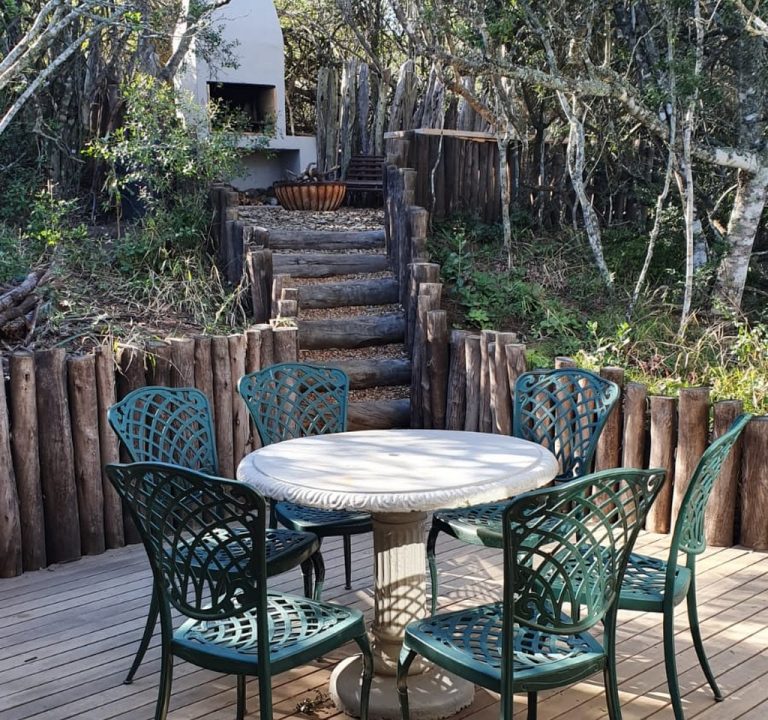
Typical amenities to look for while booking include comfortable en suite rooms, trustworthy housekeeping, secure parking, and well‑appointed communal spaces. Some establishments offer guided game drives or partnerships with local operators, which can simplify organisation. Practical touches such as covered outdoor areas, swimming pools, and reliable Wi‑Fi are worth considering, especially for travellers who want to stay connected or unwind with a book after a day outside. If you’re travelling with children or pets, check policies in advance and look for family‑friendly layouts and outdoor spaces.
Transport is a central planning consideration. Many visitors arrive by air to Port Elizabeth or Gqeberha and hire a car for the drive to Addo. A vehicle with a comfortable seating capacity and sufficient boot space makes day trips and safaris more convenient. Some lodging options offer transfers or local shuttle arrangements, which can be helpful if you’re short on time. If you intend to explore off‑the‑beaten‑path countryside or venture into forested or coastal routes, a reliable sat‑nav or offline maps are a good addition to your gear.
The best time to visit Addo depends on your priorities. Wildlife viewing tends to be good in the cooler months (late autumn to early spring) when animals are active in the mornings and late afternoons. The drier season, typically winter, can yield clearer wildlife sightings and less dense vegetation, while the summer months bring warmer temperatures and occasional showers. For those drawn to coastal scenery and sea breezes, a visit in late spring or summer can combine wildlife with beach and shore activities. Pack layered clothing to adapt to fluctuating temperatures between day and night, and don’t forget sun protection for daytime explorations.
When planning a stay, balance your days with a mix of activities and downtime. A typical itinerary might include a morning game drive or nature walk, a mid‑day break at your accommodation, and an afternoon excursion to a nearby viewpoint, reserve, or coastal town. If you’re staying in a lodge or guesthouse, you may find it convenient to combine guided experiences with independent exploration, depending on how much you want to weave into your schedule. Budgeting for meals, self‑catering, and occasional restaurant meals is important, as dining options in smaller towns can be limited or characterful rather than expansive in range.
Attractions and experiences in and around Addo move beyond the big game reserve to offer a broader sense of the region. Wildlife highlights typically include elephants and other savannah‑era species within the park network, but the surrounding area also rewards curious visitors with scenic drives, birdwatching, and photographic viewpoints. Coastal excursions, where permitted, can reveal rugged cliffs, sandy beaches, and opportunities to observe marine life from shorelines. Local markets, craft shops, and family‑run eateries provide a slice of everyday life and a chance to sample simple, well‑made fare in a relaxing setting. When selecting a place to stay, look for insight from hosts or staff about nearby activities, seasonal wildlife moves, and practical tips for navigation and safety.
Restaurant and dining guidance tends toward practical and atmospheric experiences rather than formal lists of names or prices. Expect a range of informal eateries, family‑run cafés, and lodges offering hearty, seasonal meals. In addition to on‑site dining, many visitors appreciate a couple of evenings exploring nearby towns for casual meals or sunset drinks with a view. If you’re particular about dietary needs, confirm available options in advance and enquire about kitchen facilities if you’re staying in self‑catering accommodation.
Practical tips for a smooth stay:
- Book well in advance during peak season and school holidays to secure preferred rooms and times for guided activities.
- Ask about late check‑out options or early arrangements for early morning game drives.
- Check accessibility if you have mobility considerations or require equipment for outdoor pursuits.
- Bring binoculars, a travel adaptor, and layers for varying temperatures, especially for dawn outings.
- Respect park rules and wildlife viewing guidelines to enjoy safe, responsible experiences.
In short, Addo offers a gentle blend of wildlife, landscape and coastal charm, with lodging that ranges from cosy inland retreats to more polished lodges. By considering the area, the types of amenities you value, transport needs, and best times to visit, you can craft a balanced itinerary that makes the most of this distinctive corner of the Eastern Cape. For further inspiration, explore the area’s lodging websites and guesthouse pages, where you’ll find practical information about room types, nearby activities, and projected access to park experiences during your stay.