Accommodating Addo: planning a comfortable stay near Addo Elephant National Park
Adding a stay in Addo, in the Eastern Cape, offers a gateway to one of South Africa’s most celebrated wildlife experiences while remaining well connected to small towns, coastlines and vineyards. When choosing accommodation, consider not only the price and style, but how easy it is to reach the park, how much you value privacy, and whether you prefer a self-catering base or a full-service hotel experience. The region is dotted with a mix of boutique lodges, guesthouses, country inns and comfortable hotels, many with family-friendly facilities and thoughtful touches that help you unwind after a day of exploring.
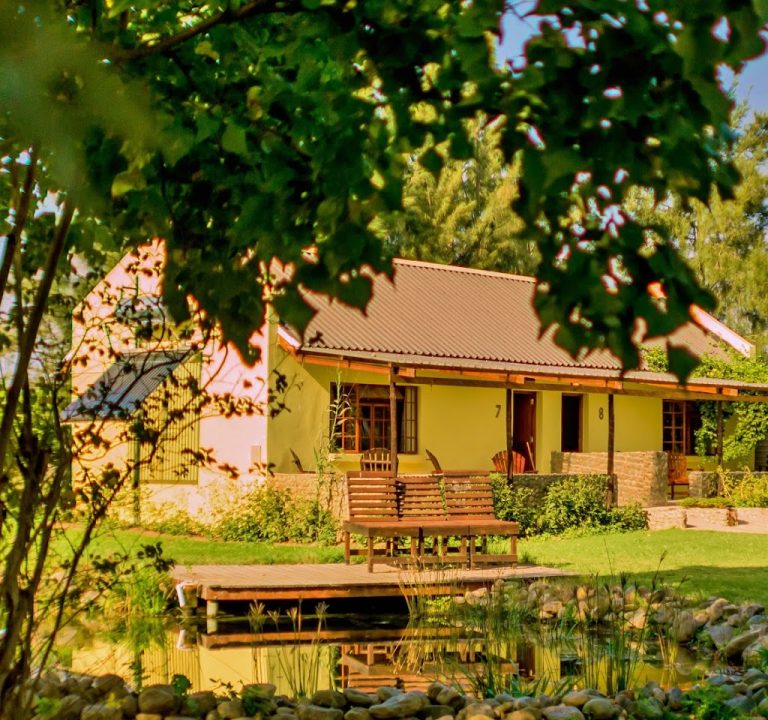
Areas to consider for your base include the park’s southern vicinity, where you can wake up to a sunrise over open veld and be within a short drive of the park’s gates. Alternatively, nearby towns provide a broader range of dining options, shops and services, together with access to additional day trips such as coastal beaches, local markets, and nature trails. If you’re travelling with children, look for properties with secure gardens, verandahs, and easy access to outdoor spaces. For couples or groups seeking a more secluded retreat, a private suite or a lodge-style setting with verandah views can enhance your wildlife-watching and stargazing evenings.
When booking, assess what to expect from inclusions and layouts. Some properties offer breakfast or full-board options, while others are more self-catering in nature. Check room configurations if you’re travelling with more than two guests, and note how many single and double beds are available. Look for en-suite bathrooms with good water pressure and reliable hot water, a comfortable bed with quality linens, and adequate storage. One practical detail is the availability of a work area or charging facilities, should you need to stay current with emails or plan day trips during downtime.
Typical amenities that make a difference include:
- Secure parking and easy vehicle access for self-drive visitors
- Guided or self-guided wildlife viewing options, including early-morning game drives or walking safaris
- Reliable air conditioning or ceiling fans for warmer months
- Free or paid Wi-Fi with decent coverage in common areas and rooms
- On-site dining facilities or easy access to nearby restaurants
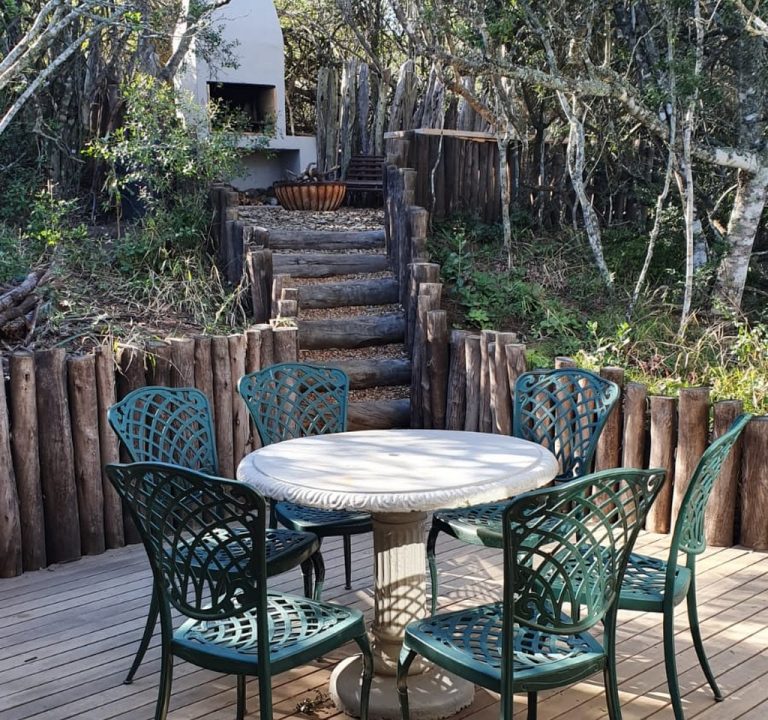
- Outdoor spaces such as decks, pools or fireside areas for relaxation
- Laundry services or facilities for longer stays
Transport within the Addo area is straightforward if you plan to self-drive. A normal sedan or SUV provides ample comfort for park crossings and country lanes. If you prefer not to drive, some lodges and guesthouses arrange transfers or guided tours for day trips to the park and surrounding attractions. When planning your movements, consider the park’s operating hours, safer wildlife viewing times at dawn and dusk, and the need for extra time for longer drives between gate entries and viewpoints. If you intend to visit other towns or coastal areas, budgeting several hours per journey is sensible given rural road conditions and occasional delays caused by weather or wildlife on the road.
The best time to visit Addo depends on your interests. The dry season generally offers clearer wildlife sightings as animals congregate around remaining water sources, while the green season presents lush landscapes and a different photographic mood. Summer can bring warm temperatures and occasional rain, so pack light clothing for the day and warmer layers for cool evenings. Winter, though cooler, often delivers excellent game viewing with comfortable daytime temperatures and fewer crowds. For birdwatchers, migration patterns and seasonal species shifts can add variety to your daily plans. Always check local climate patterns and park alerts ahead of your trip to tailor your itinerary accordingly.
Practical planning tips help you maximise your enjoyment. Book well in advance during peak holiday periods or school holidays, especially if you favour smaller, intimate properties. Read recent guest reviews to gauge the reliability of housekeeping, the consistency of meal experiences, and the responsiveness of the front desk. If you have dietary restrictions or special needs, communicate these early so the accommodation can prepare accordingly. Pack for a range of conditions: sun protection for daytime game drives, comfortable walking shoes, a light rain layer, and a camera with spare batteries. A reusable water bottle and a small backpack for day trips are practical touches that keep you refreshed during long, scenic drives.
Beyond the park, Addo’s visitor-friendly experiences include nature trails, wetlands and viewpoints that showcase the region’s biodiversity. While there are no definitive restaurant listings here, many establishments in the vicinity emphasise fresh local produce, seasonal dishes and relaxed dining atmospheres that suit families, couples and groups alike. For a holistic stay, consider combining your accommodation with gentle outdoor activities such as short hikes, wildlife-watching decks, or guided nature interpretive sessions. If you fancy a day off the trail, nearby towns offer markets, craft shops and places to learn about the region’s farming heritage and wildlife conservation efforts. A well-planned itinerary balances restful downtime with light exploration, ensuring you return home rested and inspired by Addo’s untamed splendour.
When booking, keep a note of the property’s accessibility, cancellation policies, and any seasonal variations in service. The right choice will feel like a natural extension of the landscape: a comfortable base from which to observe elephants in the early light, hear the hush of the plains at dusk, and enjoy restorative evenings beneath a star-filled sky. For more information and ideas, you can explore official park and tourism websites for updates on routes, seasonal closures and suggested drives, and remember to leave enough time to savour the pace of Addo’s expansive, wildlife-rich countryside.