Accommodation and Experiences in Addo, Eastern Cape
Addo, nestled near the Eastern Cape’s coast and savannah, offers a relaxed base for travellers seeking wildlife encounters, southern African scenery and uncomplicated, friendly stays. Whether you prefer a cosy guesthouse, a central lodge, a budget-friendly backpackers hostel, or a quiet self-catering option, Addo has choices that suit different itineraries and budgets. Planning several days here allows you to pace activities around light mornings, slower afternoons and easy access to nature reserves, coastal trails and village amenities.
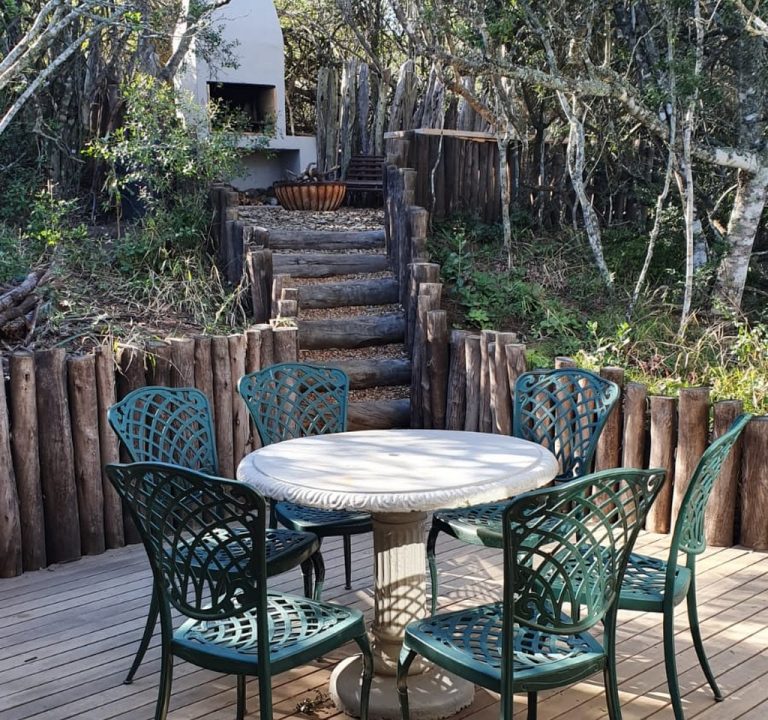
Key areas to consider when booking your stay include proximity to Addo Elephant National Park, convenient access to the main routes that connect towns and farms, and a quiet environment suitable for rest after a day spent outdoors. Many properties cluster near the town of Addo itself, while others are set along the road towards Kirkwood and across the plains where wildlife can be encountered nearby. If you are visiting primarily for wildlife, look for accommodation with easy park access, shaded outdoor spaces, and facilities to prepare or enjoy light meals after your day’s adventures. For a more rustic or community oriented experience, consider stay options closer to smaller villages or farms where hosts can offer local insight and seasonal activities.
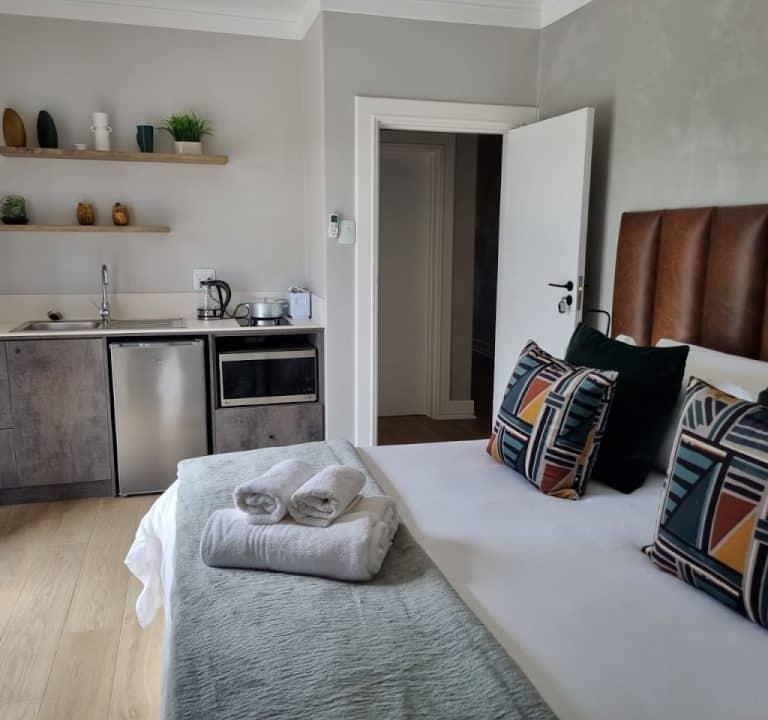
Typical amenities you might expect include comfortable beds or bunks, secure parking, and practical touches such as laundry facilities, communal kitchens, barbecue areas, and lounges with information about local tours. Some places offer organised excursions or partnerships with guides, while others provide basic parking and maps for self-guided wildlife drives. When booking, check for breakfast options, 24-hour reception or on-site staff, and clear policies on cancellations and partial stays. For families or groups, look for family rooms or apartment-style units that provide separate sleeping areas and shared living spaces.
Transport in Addo is generally practical but varies by property. If you plan to rely on public transport, verify timetables and pick-up points in advance, and ask hosts about transfers or day tours to Addo Elephant National Park and other attractions. If you are driving, confirm parking availability and whether your route passes through any narrow or rural sections. Hiring a car is common for travellers in this region, as it provides flexibility for early morning wildlife drives, sunset viewpoints, and visits to nearby towns, markets and restaurants.
The best time to visit Addo depends on what you wish to see and the kind of climate you prefer. The summer months bring warm days and occasional rain, which can be perfect for lush landscapes and birdlife, while winter brings cooler mornings and clearer wildlife viewing. Early mornings and late afternoons are generally most rewarding for wildlife experiences, with calmer heat and the chance to observe animals at water sources near park boundaries or along game tracks. Pack layers, sun protection, and a light rain shell, as weather in the region can be changeable, especially outside peak summer.
Practical tips for a smooth stay include booking a place with clear directions and flexible check-in arrangements, particularly if you are arriving late after a day on the road or out in nature. Bring a reusable water bottle and, if staying in a shared space, respect quiet hours and shared kitchen norms. If you are interested in community or eco-friendly initiatives, ask about partnerships with local guides or conservation projects, which can enrich your understanding of the landscape and wildlife while supporting the local economy.
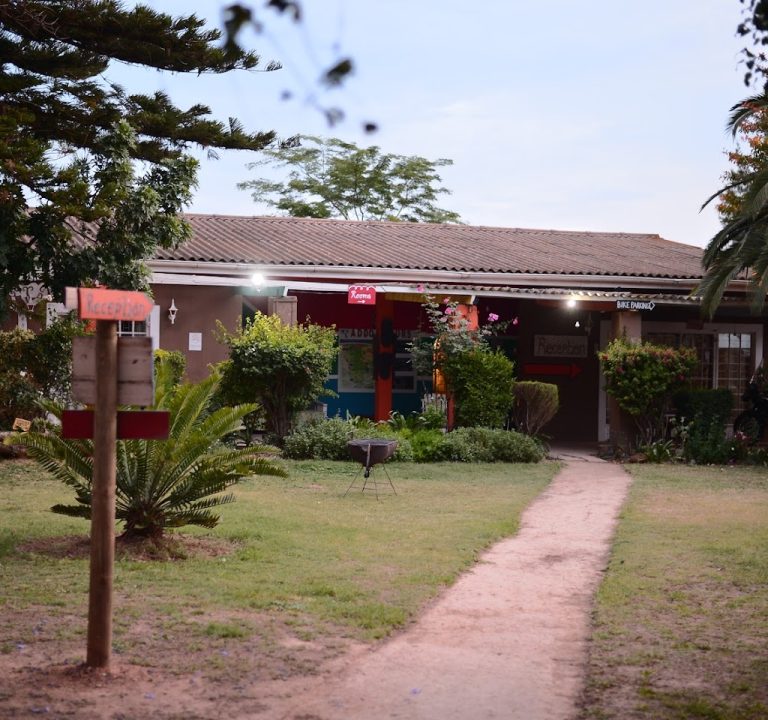
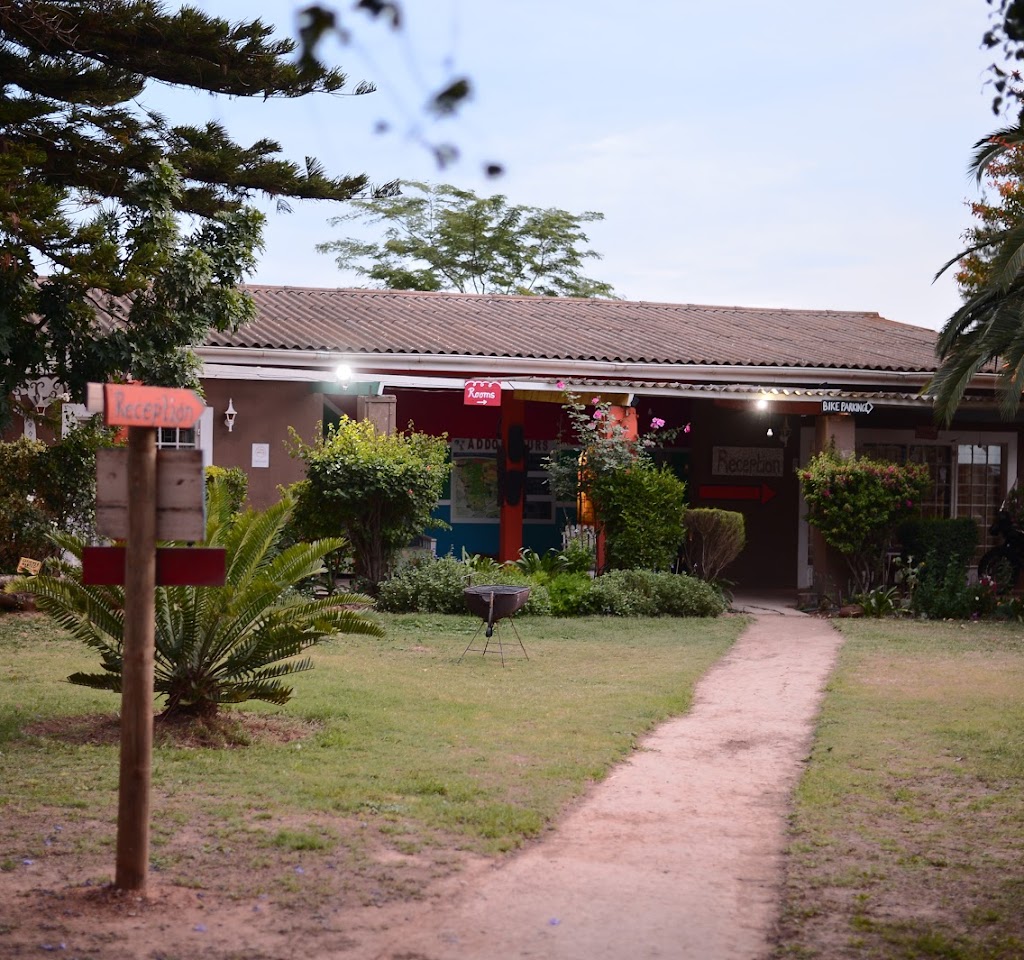
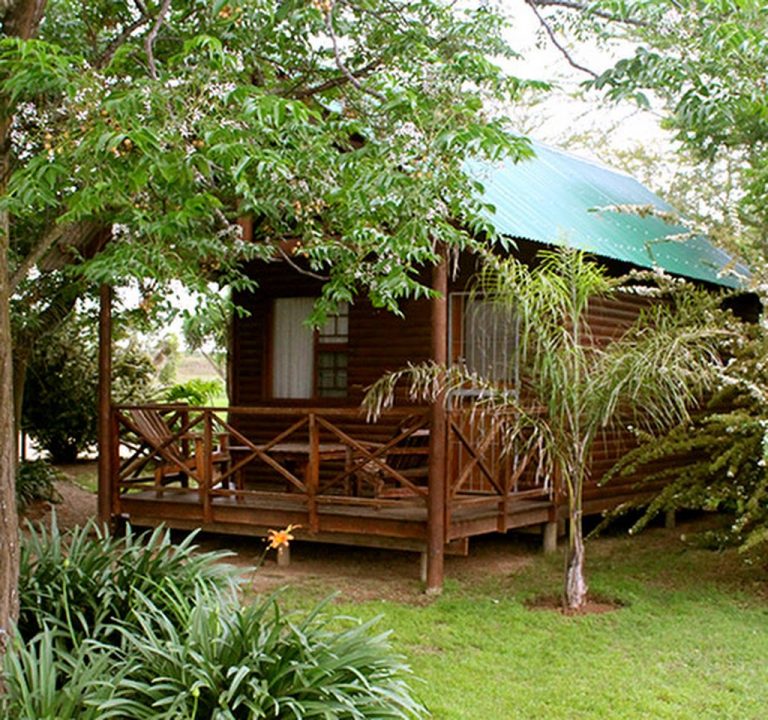
For those seeking specific types of accommodation, examples of the range include youth-hostel style options with communal spaces and shared facilities, boutique lodges offering personalised service, and self-catering cottages that allow independent meal preparation. One well-known option among backpackers in the area is a youth hostel-style venue that emphasises social spaces, affordable stays and easy access to the surrounding natural attractions. You can explore more about this and similar options on the venue’s website at Addo Backpackers, or search for other local hosts that suit your travel style.
When planning meals out, general recommendations point to casual eateries and market stalls that showcase regional produce, seafood dishes near coastal routes, and family-run cafés where staff are typically happy to share knowledge about local sights. Rather than fixed menus or high-pressured dining scenes, these venues tend to offer uncomplicated, satisfying options and a welcoming ambience that suits travellers looking to unwind after a day in the wild or along scenic routes.
- Allow time for a day trip to Addo Elephant National Park, with pre-booked park passes and guided choices noted in your accommodation details.
- Coordinate transfers or car hire early, especially during peak travel periods or public holidays.
- Confirm the proximity of your accommodation to key sites and dining options to minimise long drives after busy days.
Overall, Addo presents a blend of accessible wildlife experiences, laid-back country charm and practical, comfortable places to stay. With careful booking that matches your priorities—wildlife viewing, beach connections, or village atmosphere—you can craft a rewarding short break or a longer exploration of this part of the Eastern Cape. For more information on options and planning, explore the linked accommodation sites and local guides to tailor your stay to the season and your interests.