Addo, Eastern Cape: Accommodation, Attractions and Practical Planning
Addo, in the Eastern Cape of South Africa, offers a relaxed base for visitors seeking wildlife highlights, rural charm and easy access to pristine coastlines. The area around Addo National Park blends small country towns with comfortable guesthouses, B&Bs and lodges, making it possible to tailor a stay to individual pace and budgets. Whether you are journeying with family, friends or a partner, there are options that combine warm hospitality with modern conveniences.
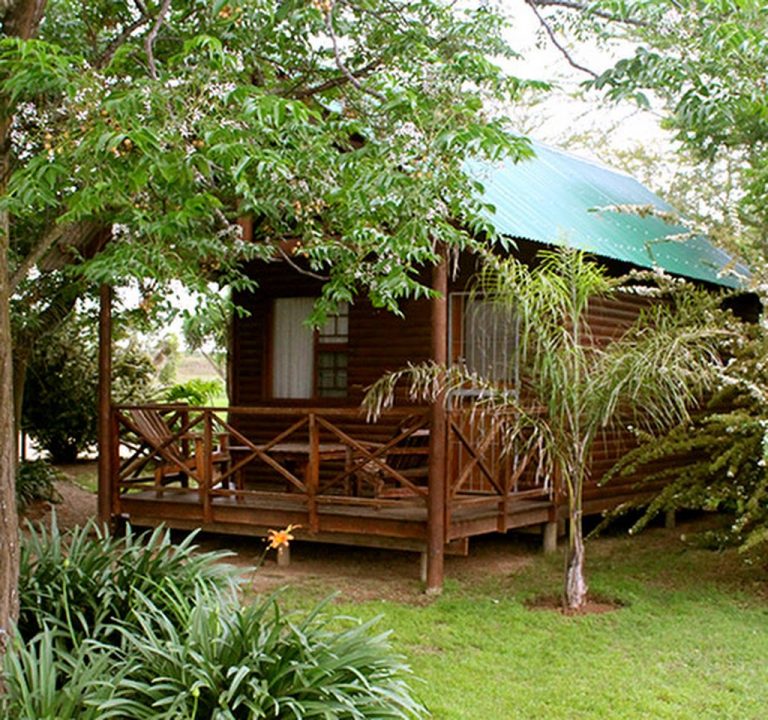
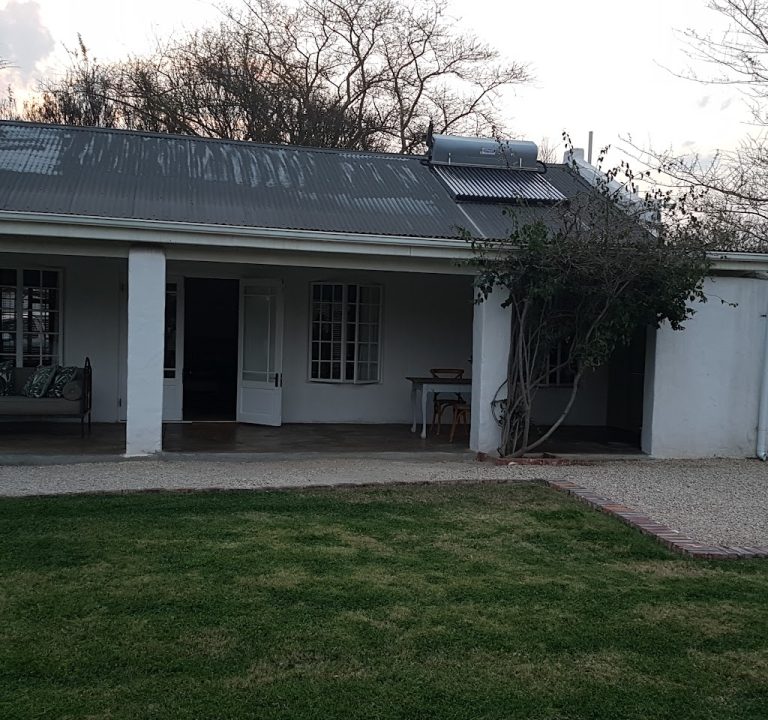
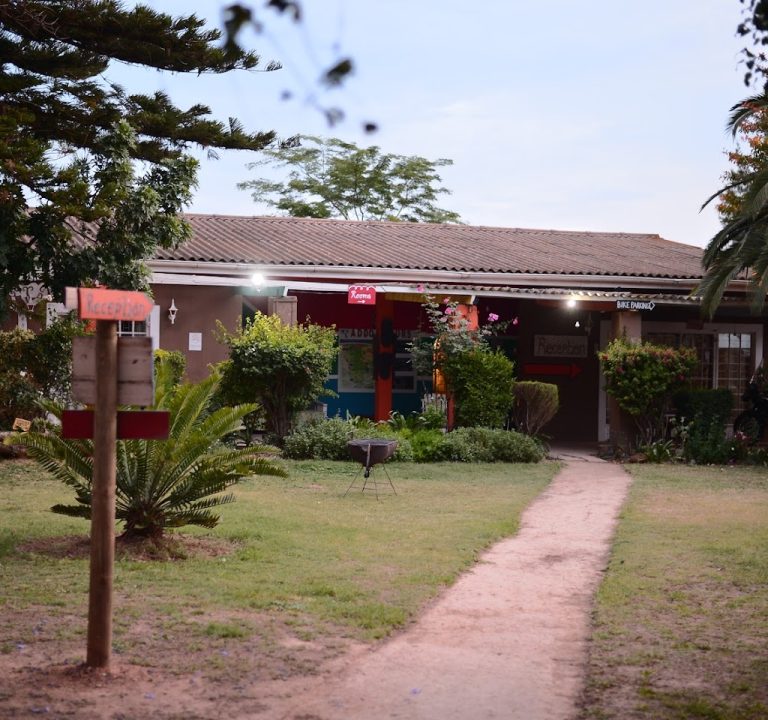
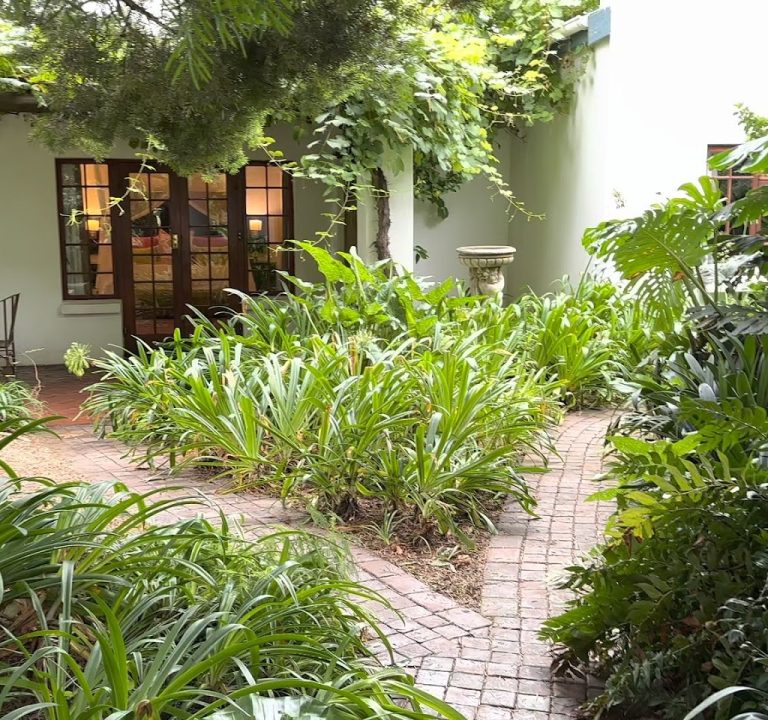
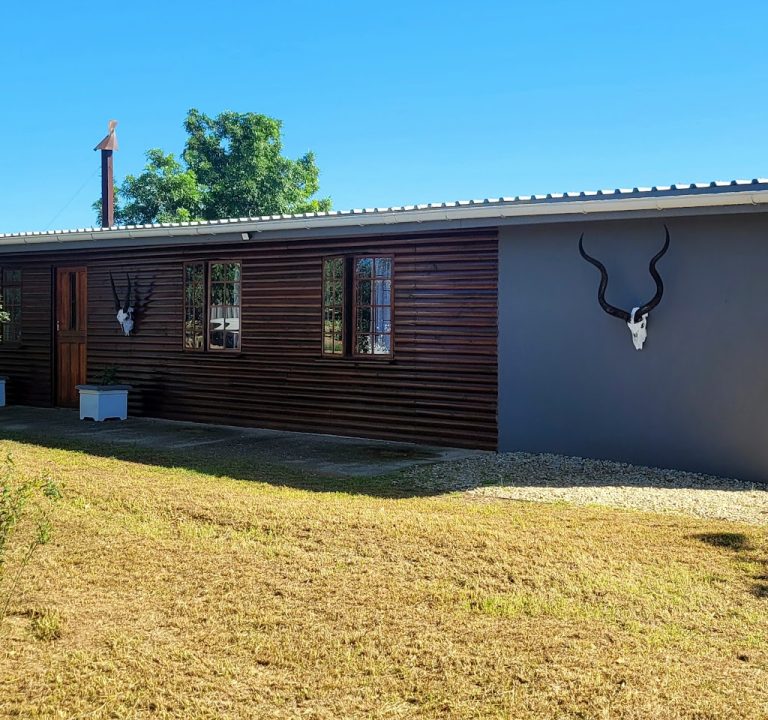
Accommodation in Addo frequently centres on a few well‑appointed hubs. A traditional Bed & Breakfast may emphasise a hearty breakfast and attentive hosts, while guesthouses and boutique lodges deliver personalised service, private entrances and often scenic gardens or verandas. In recent years, several family‑operated properties have gained favour for their local knowledge and home‑cooked meals. If you are planning ahead, consider staying in or near Addo village for convenience, or in the surrounding farmland and scrub to enjoy a quieter, more intimate atmosphere. For visitors seeking a traditionalised rural retreat, Lenmore Chalets represents a type of characterful, self‑contained option that pairs comfortable lodging with easy access to the park’s initial entrances and nearby amenities.
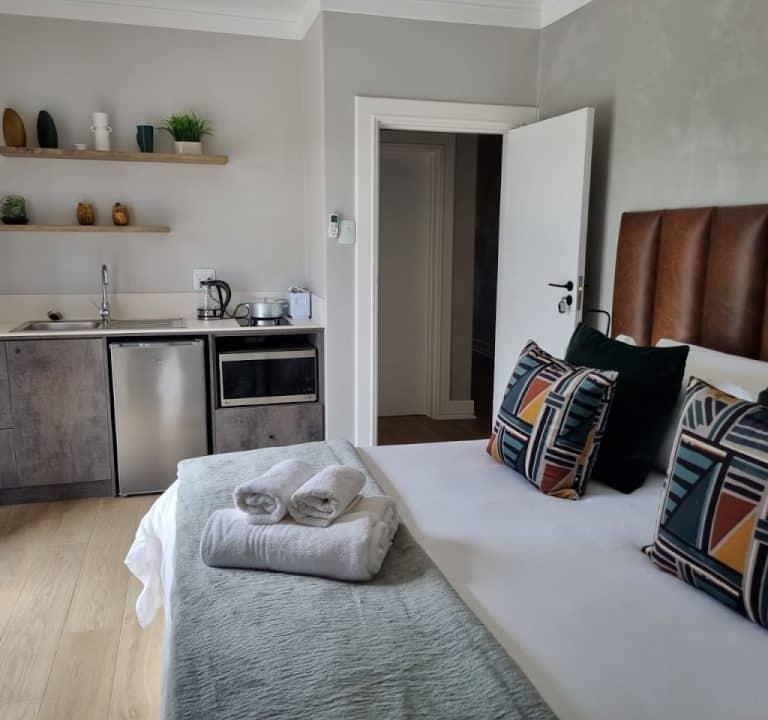
When choosing where to stay, think about the essentials that matter most to you. Proximity to the park gates can cut down on early starts, while a property with on‑site parking and reliable Wi‑Fi helps when planning day trips. Look for en‑suite bathrooms, a private or semi‑private entrance, and a generous breakfast if you prefer a morning start without foraging for meals. Some properties offer outdoor seating, shade, and garden paths for a gentle stroll after a day of safari or hiking. If you are a family or group, ask about family rooms or interconnected suites to keep everyone close while preserving privacy.
Transport is a practical consideration in Addo. The region is best explored by car, giving you flexibility to reach park gates, viewpoints and local eateries at your own pace. If you do not bring a vehicle, check whether your accommodation offers a reliable transfer option or if there are nearby car hire services. Road surfaces around smaller villages can vary, so a calm driving approach and a little extra travel time are wise, especially when planning early morning game drives or longer coastal day trips.
Best time to visit Addo combines wildlife watching with seasonal weather. The winter dry season typically offers abundant game viewing as animals gather around water sources, while the warmer summer months bring lush scenery and dramatic skies. Shoulder seasons can provide a quieter experience and good value, albeit with some variability in heat and rain. Consider any planned activities, such as guided walks or community-based experiences, when aligning your dates. Always check current park opening hours and any permit requirements in advance, and be prepared for changes in weather, especially during peak holiday periods.
Aside from the park, Addo offers a range of activities to enrich your stay. Gentle self‑guided nature walks, birdwatching around local wetlands, and scenic drives along farmland routes are common, with opportunities to learn about conservation efforts in the area. For a different perspective, you can explore rural museums, craft workshops or small local markets where handmade goods and seasonal produce are on display. Dining within or near accommodation often features hearty South African favourites, with options for warm breakfasts, light lunches and informal dinners that showcase regional ingredients. If you prefer a curated experience, many properties can arrange or recommend established operators for guided safaris, nature walks, or coastal day trips to nearby scenery and viewpoints.
One practical approach to planning is to determine your priorities: wildlife, scenery, or cultural experiences. If wildlife is paramount, allocate two to three mornings for early game drives or guided walks, and use afternoons for rest, a spa treatment, or a relaxed meal at a nearby bistro. If scenery and local culture attract you more, balance days between park visits and short coastal trips to enjoy ocean views and the rugged landscape surrounding Addo. A modest planning checklist might include: confirming vehicle accessibility, arranging a gentle pace for the group, noting must‑try meals, and keeping a flexible schedule to accommodate weather and park conditions.
Useful resources for planning include official tourism sites and park information pages, which can provide current gate hours, trail details and recommended itineraries. For accommodation and local recommendations, reputable travel directories and guest feedback from trusted platforms can help you compare amenities and room configurations. When booking, verify what is included with your stay—some B&Bs offer comprehensive breakfast options and on‑site recreational spaces, while others may present more streamlined arrangements. Always review cancellation terms and accessibility features to ensure your stay aligns with your needs.
- Consider the location relative to Addo Elephant National Park gates and entrances
- Check whether breakfast, parking and Wi‑Fi are included
- Assess room configuration, privacy, and en‑suite facilities
- Plan for transport needs and transfer options if not driving
- Identify nearby dining options and seasonal activities
For a starting point, you can explore general information and ideas at regional tourism pages or park sites. A tailored stay in Addo can offer a comfortable base from which to experience the Eastern Cape’s wildlife, landscapes and warm hospitality at its best. For enthusiasts seeking a characterful stay close to nature without sacrificing comfort, a well‑chosen B&B or small lodge in the Addo area can be an ideal solution.