Accommodation and Experiences in Addo, Eastern Cape: Where to Stay and What to Do
Addo, in the Eastern Cape, offers a compelling mix of wildlife, landscapes and relaxed rural charm. Whether you are seeking a cosy bed & breakfast, a small boutique guesthouse or a comfortable lodge near the wilderness, the area provides options that suit a range of budgets and travel styles. Planning a stay here often means weighing proximity to nature reserves, access to self-drive safaris, and convenient routes to coastal attractions. A well-chosen base can transform a trip into an easy-paced, memorable experience.
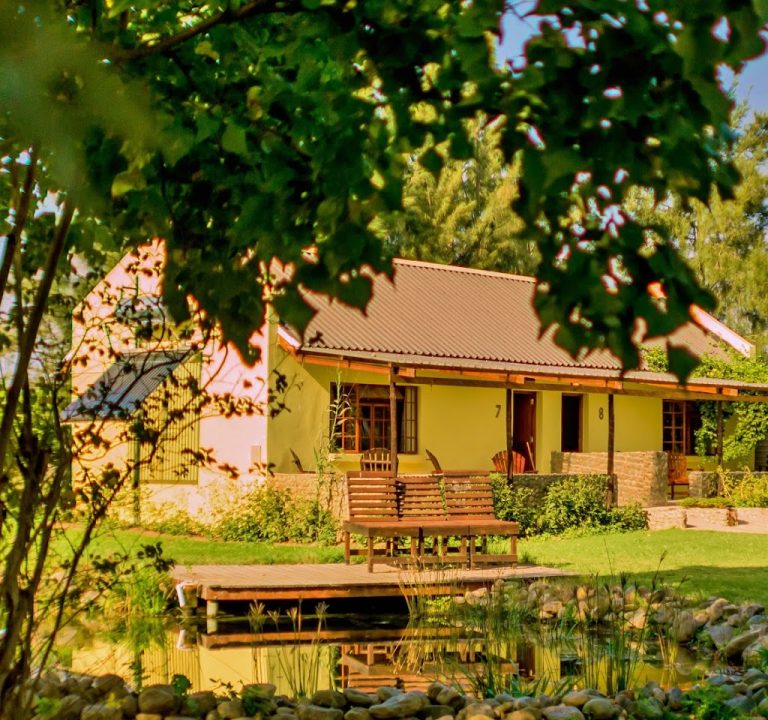
Accommodation in Addo spans several distinct neighbourhoods and settings. You can opt for tranquil farm stays that pair characterful rooms with home-cooked meals and far-reaching views; guesthouses that offer a friendly, community atmosphere; or self-catering lodges with generous communal spaces for families or groups. A noted example within the region is a modern bed & breakfast that emphasises organic farming and regional hospitality, providing a peaceful doorway to both wildlife encounters and rural life. When booking, consider whether a venue emphasises guided activities, on-site dining, or private space for a quiet retreat.
Areas to consider for your stay include the farming countryside surrounding Addo town and the broader Sundays River Valley. Staying on a working farm can provide a unique behind-the-scenes feel, while property clusters closer to the Addo Elephant National Park gates offer easier morning access for early wildlife viewing. If you prefer a village-like ambience with easy access to local amenities, look for options closer to Port Elizabeth’s corridor of transport links. The choice often comes down to how you want to balance wildlife experiences with day trips to beaches, vineyards or coastal towns nearby.
Typical amenities you might encounter include en-suite bathrooms, comfortable guest lounges, reliable WiFi, and daily meals or self-catering facilities. Many rural properties pride themselves on generous breakfasts featuring freshly laid eggs, seasonal fruit, homemade breads and preserves. Outdoor spaces are common, with braai (barbecue) facilities, pools for warmer days and verandas where you can enjoy the scent of the surrounding countryside. If you rely on a stricter itinerary, check whether an accommodation offers early breakfasts or guided drives, as these can help you maximise wildlife viewing opportunities in the mornings and late afternoons.
Transport and getting around are straightforward with a hire car often being the most convenient option. A vehicle gives you flexibility to depart for morning safaris, make your own schedule for scenic drives, and return to your base at your preferred time. Some locations may offer shuttle services or local tours, so it’s worth asking in advance what is available. The region’s roads are generally well maintained, but plan for rural driving conditions and allow extra time for extenuating circumstances such as animal crossings at dusk.
Best time to visit Addo is typically aligned with wildlife viewing and weather preferences. The cooler, drier months from late autumn through winter can offer excellent opportunities to see elephants and other savannah inhabitants as vegetation is thinner. Spring brings milder days and fresh colours in the countryside, while summer can be warmer with occasional rain. If you enjoy birdlife and landscapes at their most vibrant, consider shoulder seasons when crowds are lighter and the scenery remains lovely. Regardless of season, mornings and late afternoons are often the best times for wildlife spotting and photographic experiences.
When planning a stay, think about the kinds of experiences you want to include. Addo is well suited to wildlife encounters, forest and river walks, and nature photography. If you enjoy culinary experiences, look for locations that offer farm-to-table meals or close proximity to producers who focus on regional ingredients. For a broader taste of the region, you may plan day trips to nearby coastal towns along the Eastern Cape coastline, where beaches and historic streetsaccommodate relaxed exploring. Booking well in advance for peak seasons can help secure preferred rooms and dates, particularly for smaller guesthouses and intimate B&Bs.
Practical tips to bear in mind:
- Book accommodation with clear access to the park gates and recommended viewing areas, especially for early starts.
- Ask about on-site meals or nearby dining options to match your daily schedule.
- Check for family rooms or common spaces if travelling with children or groups.
- Clarify parking arrangements, pet policies, and accessibility features if needed.
- Prepare for rural roads and limited mobile signal in some pockets of the area.
For visitors seeking a more immersive stay, consider an itinerary that balances wildlife time with farm experiences, quiet evenings on verandas, and local tastings or small-scale culinary experiences. One notable option in the Addo region is a farm-based B&B that combines comfortable accommodation with organic farming practices, a thoughtful way to connect with the land while enjoying a restful break. More information about this kind of property can be found on official sites or the establishment’s own pages, where you’ll typically see details about room types, breakfast offerings, and farm attractions. You can also explore visiting the surrounding towns for relaxed strolls, markets and coastal views, all within a short drive of Addo’s wildlife highlights.
In planning your stay, consider linking your accommodation choice with a flexible, multi-day plan that allows you to experience the best of Addo’s wildlife, landscapes and rural hospitality. For more about specific properties and their availability, you can visit their official websites and booking platforms. A representative example of such a property is listed with a dedicated site that highlights its location, organic farming ethos and guest experience, including a homepage you can visit for further details: Rosedale Organic Farm & B&B.