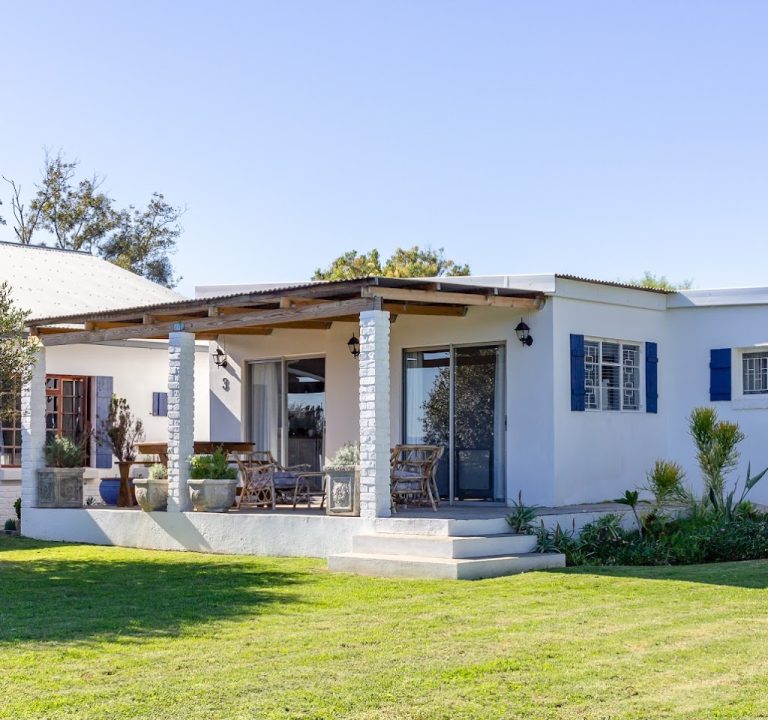
Addo: A Practical Guide to Accommodation and Things to Do in the Eastern Cape
Just a short distance inland from Port Elizabeth, Addo in the Eastern Cape offers a classic blend of wildlife experiences, rural charm and relaxed South African hospitality. Whether you are seeking a luxe lodge with sweeping savannah views, a cosy guesthouse tucked among citrus groves, or a self‑c catering retreat with room to breathe, Addo presents a variety of options to suit different itineraries and budgets. The surrounding region is also home to small towns, nature reserves and country lanes that make for enjoyable day trips.
When planning a stay, consider the areas around Addo Elephant National Park, the little towns of Colchester and Addo itself, and the more rural routes that connect wine farms, citrus orchards and scenic viewpoints. Proximity to the park is one of the main draws; staying close to the reserve often means easier early-morning game drives and shorter drives after sunset. If you prefer tranquillity and a rural setting, look for accommodation a short drive from the main park entrances, where you can enjoy starry skies and undisturbed mornings.
Typical accommodation styles in the region range from boutique hotels and country houses to self‑catering lodges and family‑run guesthouses. Many properties offer on‑site catering, some with breakfast buffets or a full dinner service, while others provide kitchen facilities for self‑catering. A number feature verandas or decks overlooking gardens, water features, or open plains where wildlife can occasionally be glimpsed from a safe distance. In high season, properties with flexible cancellation policies and clear housekeeping protocols tend to be popular, so it pays to book early and confirm what is included in your rate.
Facilities you might encounter include air‑conditioning or fans for hot days, well‑stocked larders or minibars, private plunge pools or hot tubs, and guided tours or ranger-led activities. If you are visiting during the cooler months, ask about heated rooms or extra blankets. For families or groups, many lodges offer family suites or multi‑bedroom units, and some have outdoor space for children to play while adults relax. Accessibility is another consideration; if you rely on a car, check parking details and whether the property offers secure parking or transfer options to park gates and viewpoints.
Transport in the Addo area is straightforward if you are driving your own vehicle. The majority of attractions lie a short to moderate drive from the towns, with self‑drive safaris already well arranged for visitors. If you prefer not to drive, you can arrange guided day trips or transfers through your accommodation. It is wise to verify proximity to down‑town amenities, grocery stores, and petrol stations, especially if you are planning a longer stay, a self‑catering option, or a rural retreat with limited local services.
Best time to visit Addo depends on what you want to experience. The park and surrounding reserves are typically enjoyable year‑round. Winter months (May to August) tend to be cooler and can be excellent for wildlife viewing as animals gather around water sources. Spring and autumn offer mild temperatures and vibrant landscapes, while summer brings warmer days and occasional thunderstorms. If you are visiting for birdlife or seasonal flowers, check local guides or park postings for peak times of activity. For travellers seeking outdoor activities such as guided walks, self‑drive safaris or wine‑country experiences nearby, plan contingent itineraries that balance wildlife time with relaxed meals and scenery that this region is known for.
Attractions and experiences in and around Addo are wonderfully varied. In addition to the famous national park, you can expect scenic drives, birdwatching, and ranger talks that provide insights into the flora and fauna of the region. The coast is within reach for day trips to beaches and coastal towns, offering opportunities for seafood meals, strolls along the shore, or sunset views. Dining options range from light lunches at lodge venues to more formal dinners that showcase local produce. When planning where to eat, you can often choose from properties that serve regional dishes in a relaxed setting, with menus that emphasise fresh ingredients from nearby farms and markets. For those who like to sample local culture, some accommodations help arrange visits to nearby farms or craft markets, offering a glimpse into everyday rural life in the Eastern Cape without straying far from your base.
What to look for when booking
- Proximity to Addo Elephant National Park entrances and road networks for easy morning drives
- Room configurations and privacy, particularly for families or groups
- On‑site dining options, whether breakfast is included, and whether dinner is offered
- Cleanliness, maintenance of outdoor spaces, and the reliability of air‑conditioning or fans
- Wildlife viewing opportunities from the property (verandas, water features, and guiding services)
- Cancellation policy and flexibility in case plans change
- Accessibility and parking arrangements for guests with vehicles
For travellers seeking a sense of place, consider staying in a property with a small‑scale, local ethos—often a hallmark of the Addo region. If you are curious about formal lodging options, you can explore established hotels in nearby towns or purpose‑built lodges that specialise in safari‑style experiences. Examples of well‑regarded options often found in the broader area include hotels and guesthouses that blend comfortable rooms with thoughtful service, designed to help you unwind after a day of exploration. Discussions with your chosen accommodation about guided drives, park entry times, and meal arrangements can simplify planning and maximise wildlife opportunities during your stay.
Useful resources for planning include the official Addo park website and regional tourism portals, which provide maps, suggested itineraries and seasonal guidance. For more ideas on routes, stay options and practical tips, you can browse travel guides and review platforms that reflect recent visitors’ experiences in the Addo region. A well‑planned stay combines a comfortable base, practical transport arrangements, and time reserved for wildlife encounters, meals that celebrate local produce, and the simple pleasure of a calm, rural South African backdrop.