Accommodation and Things to Do in Addo, Eastern Cape: A Practical Guide
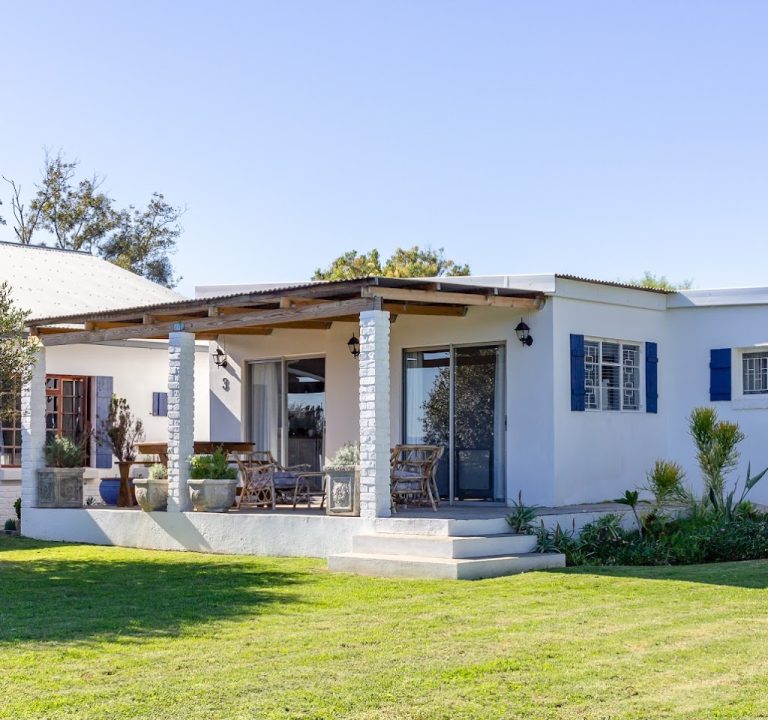
Addo, in the Eastern Cape, is renowned for its wildlife-rich landscapes, wide horizons and easy-going lodge and guesthouse stay. The region offers a range of accommodation styles—from intimate guest houses and self‑catering cottages to small lodges and country-style B&Bs. Whether you’re planning a dedicated wildlife break, a family holiday or a couples’ retreat, Addo provides a relaxed base from which to explore the surrounding rivers, plains and coastal scenery.
Where you choose to stay will shape your experience. The village of Addo provides a convenient centre with a village atmosphere and easy access to the national park, while the Sundays River Valley and nearby settlements offer a more tranquil rural backdrop with riverine views and agricultural scenery. If you’re travelling by car, a compact road network links these areas well, making it feasible to split your nights between a few different properties to experience different aspects of the region. Booking a stay with a guest house or lodge that offers a home-from-home vibe, good continental or local breakfasts, and friendly, knowledgeable hosts can be a real advantage for first‑time visitors.
What to look for when booking includes the following:
- Proximity to Addo Elephant National Park entrances or the Sundays River area, depending on your wildlife plans
- Ensuite bathrooms and comfortable beds for restful nights after day on safari or exploring
- On-site amenities such as a pool, outdoor dining, shaded balconies or verandas, and secure parking
- Access to guided activities, like morning or late-afternoon game drives, birdwatching walks, or river trips
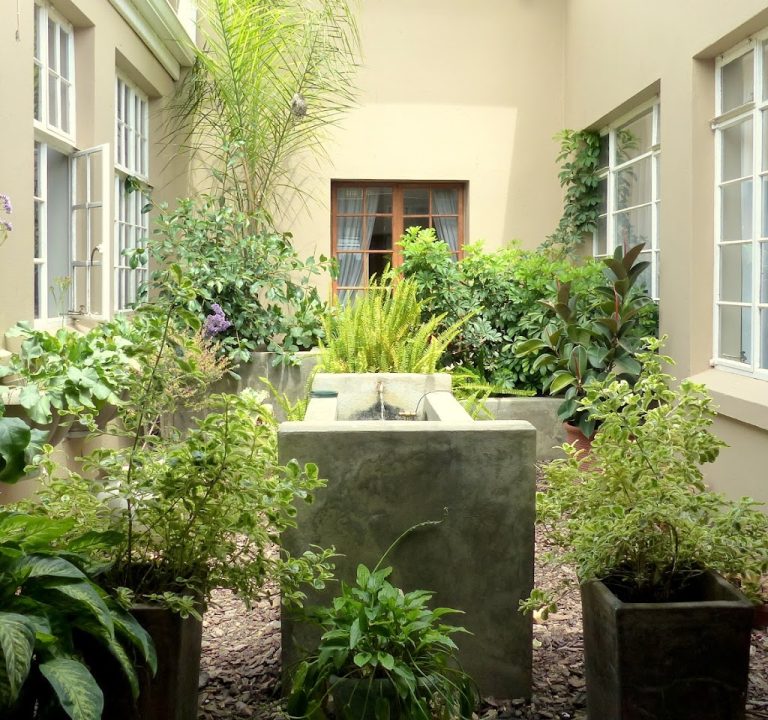
- Scenic surroundings that suit your style—open savannah, riverine settings, or a leafy garden courtyard
Typical amenities you can expect from well‑appointed accommodation in Addo include private or shared lounges, Wi‑Fi access, daily housekeeping, and hearty breakfasts or brunch options. Some properties offer self‑catering kitchens or guest kitchen facilities, which can be convenient for families or longer stays. If you’re visiting during cooler months, inquire about heaters or warm bedding. For travellers who value immersion, look for hosts who can share local tips on the best times to visit the park, where to spot certain wildlife, and where to find less touristy viewpoints.
Transport and getting around are straightforward with a hire car. The region’s dispersed attractions mean that having your own wheels is the easiest way to maximise time, especially if you plan to explore both the park and nearby riverside routes or farmland scenery. If you prefer not to drive, some guest houses and lodges can arrange transfers or guided day trips; discuss your preferences in advance so that arrangements align with your itinerary.
Best time to visit Addo depends on your aims. Dry winter months, typically from May to September, often offer good wildlife viewing as animals concentrate around water sources. However, the shoulder seasons—late spring and early autumn—can provide pleasant weather with fewer crowds and the chance to see young animals at play. If birdsong and lush riverine landscapes appeal, consider the region’s wetter periods, when migratory birds and river activities are at their peak. Pack layers for variable temperatures, sun protection for daytime safaris, and comfortable footwear for walking in uneven terrain.
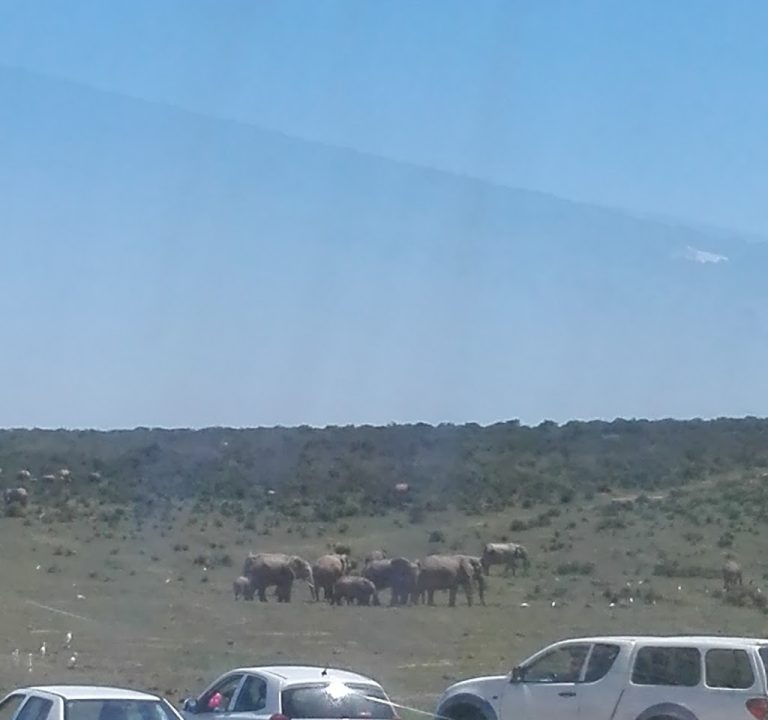
When planning a stay, factor in the park’s opening hours and the need for park fees or guided tours. Addo Elephant National Park is the main draw, but other nearby attractions include river safaris, nature trails, and viewpoints that reveal the stark beauty of the landscape. Restaurants in the area tend to reflect a blend of South African rural cuisine and contemporary fare, emphasising fresh ingredients and local flavours. Many guest houses and lodges offer on-site dining or recommendations for nearby eateries, so you can enjoy a relaxed evening without needing to travel far after a day’s activities.
Practical tips for a smooth visit:
- Book accommodation with clear access to the areas you plan to explore, and confirm whether guided drives or walks are included or available as extras
- Ask about wildlife-watching opportunities from your property, such as secluded decks, hides, or riverbank overlooks
- Plan for early starts if you’re targeting wildlife viewing in the park; bring a thermally insulated layer for morning outings
- Check water and electrical reliability at more remote properties, especially in busy holiday periods
- Respect park rules, keep a safe distance from animals, and carry a light, compact field guide or pre-downloaded wildlife app
Top tip: consider splitting your stay between a guest house in Addo village and a lodge with river views nearby. This approach gives you the convenience of a central base plus the chance to experience the tranquillity of rural parts of the Sundays River Valley, enhancing your sense of place without long daily drives. For more inspiration and practical planning, you can consult regional tourism resources or the official park information pages to tailor your itinerary to the season and specific wildlife interests.