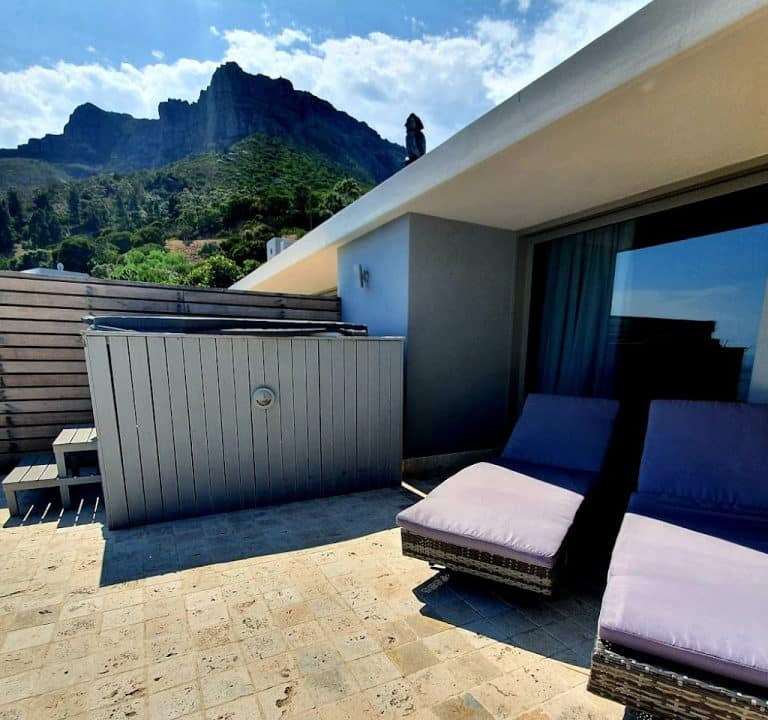
Cape Town: a guide to memorable stays, experiences and planning practicalities
Cape Town blends dramatic scenery with a vibrant cosmopolitan mix, making it a compelling destination for travellers seeking a varied and convenient stay. When choosing accommodation, the neighbourhood makes a big difference to how you spend your days. Centres such as the City Bowl and the V&A Waterfront offer easy access to restaurants, nightlife and public transport, while the Atlantic Seaboard and Camps Bay soothe with sea views and coastal walks. For easy access to wine country and leafy tranquillity, the southern suburbs and Constantia provide a relaxed backdrop that pairs well with day trips to the winelands. Regardless of location, many properties in Cape Town emphasise a warm, local welcome, good Wi‑Fi, comfortable beds and practical conveniences to suit both leisure visitors and business travellers.
One notable category of stay is a stylish boutique hotel or guesthouse that blends modern comforts with a sense of place. A property such as Hideaway Cape Town can illustrate how a refined, well-appointed base supports easy exploration and downtime between adventures. Look for rooms with en-suite facilities, daily housekeeping, and thoughtful extras such as a well-equipped kitchenette or a cosy lounge area. Breakfast served on-site, secure parking, and 24-hour reception can make a substantial difference to a smooth itinerary. If you prefer self-catering or apartment-style stays, many buildings offer short-stay options with kitchen facilities, living spaces and convenient access to local shops and cafés.
Booking considerations that help you plan efficiently include proximity to the places you want to visit, access to reliable transport, and reasonable cancellation policies. In Cape Town, public transport ranges from high-frequency city buses to scenic coastal routes, while many visitors prefer car hire for day trips to Stellenbosch, Franschhoek or the Cape Peninsula. If you anticipate long days of activities, a calm base that’s a short ride from a diverse dining scene and a beauty of nature can maximise your time for sightseeing rather than transit. When budgeting, remember that meal costs, local wine tastings, and entrance fees to attractions can influence your overall spend, so factor those in alongside nightly rates.
Typical hotel and guesthouse amenities in Cape Town often include free or paid Wi‑Fi, tea and coffee facilities, secure in-room storage, and access to a sunny or sheltered communal area. Many properties offer swimming pools or sun decks, which are particularly welcome on warm days, and some have on-site restaurants or intimate bars. If you travel with children or require accessibility features, check for family rooms or suites, elevators, and facilities for guests with mobility needs. A well-located option usually provides convenient access to shops, markets and early morning coffee spots, helping you to start your day ready for exploration.
Where to stay also influences how you experience Cape Town’s top attractions. The iconic Table Mountain is visible from many parts of the city and can be reached by cable car or by trails for the more adventurous. The V&A Waterfront is a hub of activity with shops, harbour views and a range of casual and finer dining, while the colourful Bo-Kaap neighbourhood invites a stroll through its steep streets and offers rich cultural stories. A day trip to the Cape Peninsula reveals dramatic coastal scenery, penguin colonies at one point and pristine beaches. Kirstenbosch National Botanical Garden showcases Cape flora and outdoor concerts in warmer months. For wine lovers, easy routes to the Constantia and surrounding Stellenbosch and Franschhoek wine routes provide immersive tastings and scenic vineyard landscapes.
When it comes to eating out, Cape Town’s restaurant scene covers contemporary bistros, seafood places, casual cafes and refined dining rooms. In general terms, you’ll find menus ranging from fresh seafood with harbour views to modern interpretations of traditional South African dishes, along with light meals and robust coffee culture. To balance experiences, consider a mix of casual eateries and one or two more substantial dining experiences during your stay, aiming to reserve ahead during peak seasons.
Best time to visit Cape Town depends on what you want from your trip. Summers (roughly December to February) are warm and lively, with longer days ideal for coastal activities and hiking. Autumn (March to May) can offer milder weather and fewer crowds, making it a pleasant shoulder season for sightseeing and dining. Winters (June to August) are cooler and wetter, but the city’s indoor attractions, markets and museums continue to be enjoyable, and the surrounding winelands become particularly scenic after rain. Spring (September and October) brings spring flowers and a renewed energy as outdoor spaces reopen for longer days. No matter when you go, plan for varying coastal winds and ocean air, which can affect boat trips and open-air activities.
Practical tips to maximise your stay:
- Book accommodation in advance, especially during school holidays and the festive season, to secure the best locations and rates.
- Check for parking availability if you plan to hire a car, as some city-centre areas impose limited or paid parking.
- Confirm breakfast options and lounge facilities if you prefer a hassle-free start to the day.
- Look for properties with water views or outdoor spaces to enjoy Cape Town’s scenery from your door.
- Plan outdoor days for early mornings or late afternoons to avoid peak sun and enjoy comfortable temperatures.
- Keep safety in mind by choosing well-reviewed neighbourhoods and familiarising yourself with local transport options at night.
- Consult local guides or hotel concierge for personalised day trips, including scenic drives, wine-tasting itineraries and nature walks.
- Respect the environment and local communities by following sustainable tourism practices during your stay.
In summary, a well-chosen base in Cape Town supports a balanced itinerary of iconic viewpoints, coastal beauty, culinary experiences and cultural discovery. Whether you prioritise a chic city centre stay, a sea-facing retreat on the Atlantic Seaboard, or a tranquil escape near the winelands, thoughtful planning, flexibility and a touch of curiosity will help you make the most of this remarkable destination.