Staying in Cape Town: planning a self-catering stay and making the most of the Western Cape
Cape Town is a city of diverse neighbourhoods, dramatic coastlines and easy access to nature. For visitors choosing self-catering accommodation, there is a wide range of options from apartment-style stays in the city centre to seaside villas along the Atlantic Seaboard and quiet hillside cottages in secure suburbs. When selecting a place to stay, think about how you plan to spend your days: will you be exploring Table Mountain and the city on foot, venturing out to wine estates, or spending long afternoons on the beaches? Your chosen area should be convenient for your preferred activities, while also offering good amenities and safe surroundings.
Areas to consider include the City Bowl for easy access to galleries, markets and nightlife, the Atlantic Seaboard for panoramic sea views and direct beach access, and Constantia or the Southern Suburbs for a quieter, leafy backdrop and easy access to wine estates. If you prefer a vibrant, multicultural atmosphere, Bo-Kaap and parts of the De Waterkant offer characterful streets and easy transit options. For families or longer stays, self-contained options inland in Constantia provide tranquil gardens and parking, with convenient routes to the Peninsula and Cape Point. When booking, check not only the view but also how you will get around: proximity to MyCiTi bus stops, tram or rail links, or whether a car is practical for your itinerary.
Typical self-catering amenities you might encounter include fully equipped kitchens or kitchenettes, washing facilities, comfortable living spaces, high-speed Wi‑Fi, and dedicated parking. Some properties provide secure access, 24‑hour security, or reception services, while others lean into a more rustic, homely feel. If you are travelling with family or a group, look for separate bedrooms, flexible sleeping arrangements, and outdoor spaces such as balconies or small courtyards. A good property description will outline laundry facilities, cooking equipment, and any house rules that might affect families with young children or a quiet neighbourhood policy.
When it comes to planning transport, Cape Town benefits from a reasonable public transport network, but for ease and flexibility you may prefer a rental car or organised transfers. If you are staying near the central city, you may be able to walk to a number of attractions, restaurants and markets. However, a car becomes very handy for trips to the Cape Peninsula, Constantia wine routes or the Cape Point nature reserve. If you choose not to drive, confirm that your accommodation is within a short taxi or rideshare distance of key sights and dining precincts, and check whether the host can recommend reputable local operators.
The best time to visit Cape Town depends on what you want from the trip. Spring (September to November) and autumn (March to May) are popular for milder weather, blooming gardens and fewer crowds. Summer (December to February) brings longer days and outstanding outdoor activities, though popular beaches can be busy. Winter (June to August) is cooler and wetter, yet still offers dramatic coastal scenery and indoor cultural experiences. If you are visiting for outdoor activities, check local calendars for sustainable harvests, markets and outdoor concerts, which add a local flavour to a stay without inflating costs.
Attractions and experiences vary from natural landmarks to cultural hubs and culinary scenes. Iconic places such as a cable car or hiking routes on a prominent flat-topped mountain offer memorable views, while the Cape’s coastline provides excellent opportunities for scenic drives or relaxed picnics. Within the city, you might plan time for waterfront promenades, museums and markets, and day trips to the Cape Peninsula, the Cape Winelands or the nearby coast. For dining, you can expect a mix of casual seafood spots, stylish bistros and vibrant eateries offering regional flavours. Markets and street-food stalls are common and provide a flavour of local life without committing to formal reservations.
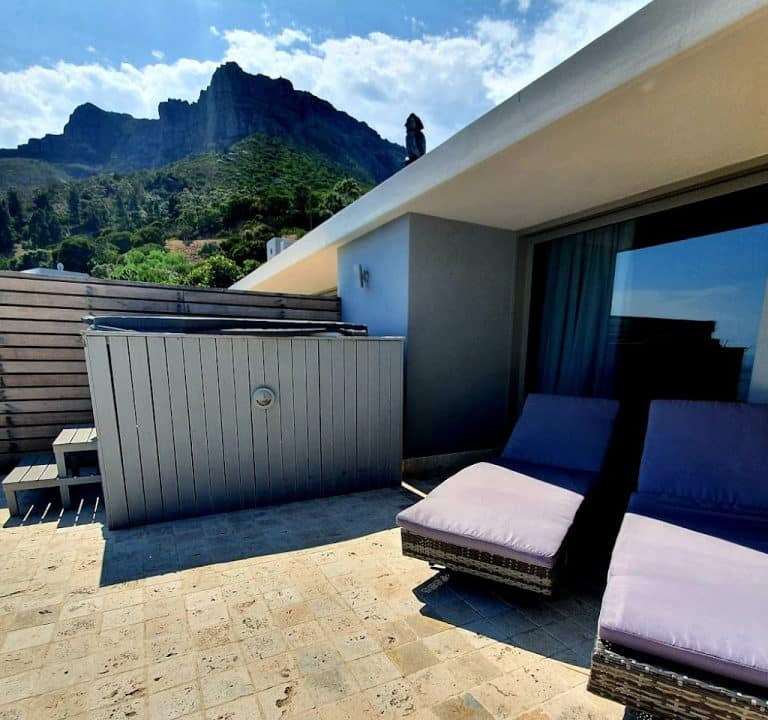
Self-catering stays can be paired with guided experiences to make the most of your visit. Consider a day tour to a wine estate or a nature reserve, a coastal drive along the Atlantic Seaboard, or a relaxed shopping day at markets and galleries. If you are staying in a quieter suburb, you may enjoy an easy morning walk or a sunset stroll along a nearby promenade, followed by a home-cooked meal or a simple dinner at a nearby casual restaurant. Apostle Rocks, a self-catering option in the area, illustrates how a well-equipped unit can serve as a comfortable home base while enabling flexible itineraries for exploring the surrounding coast and hills.
To help you choose wisely, here are practical considerations for your booking:
- Location relative to your planned activities and transport options
- Kitchen facilities and laundry equipment for self-catering needs
- Internet access and workspace if you need to stay connected
- Security, parking and access arrangements
- Reviews and recent guest feedback on cleanliness and service
- Clear policies on check-in times, housekeeping, and cancellations
Plan ahead with a flexible itinerary that leaves room for spontaneous discoveries—coastal drives, markets, and hillside walks often yield the best experiences. For more information about Cape Town and the region, official tourism resources offer practical guidance and ideas to tailor your stay to your interests: Cape Town Tourism.