Cape Town: accommodation, attractions and planning your stay
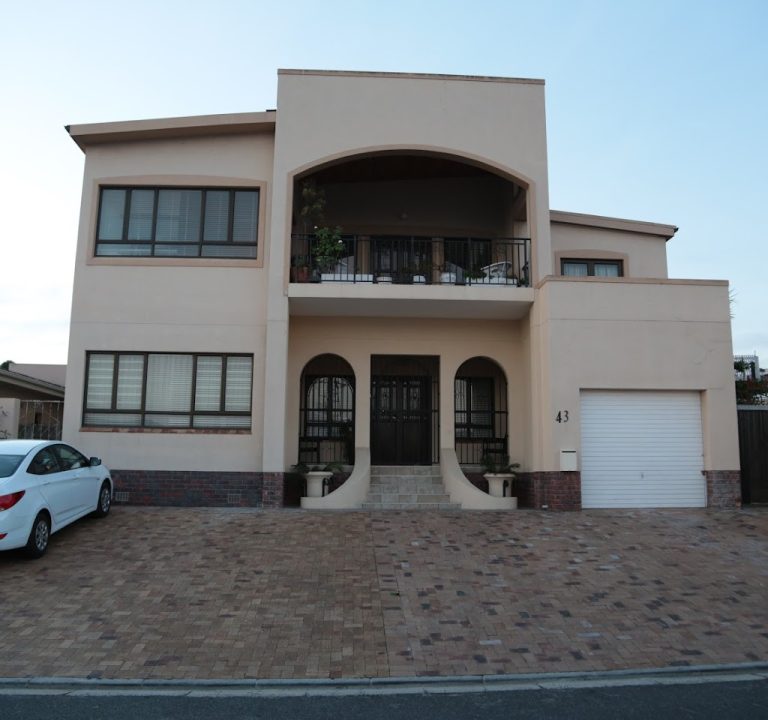
Cape Town offers a rich blend of iconic landscapes, vibrant neighbourhoods and convenient serviced accommodation options that suit a range of budgets and travel styles. Whether you are seeking a stylish city base, a coastal escape with sea views, or a leafy retreat close to winelands, the city has options designed for comfortable, hassle-free stays. For visitors choosing Hello Home or similar serviced accommodation, the focus often lies in apartment-style spaces that combine privacy with the services you would expect from a hotel, such as regular cleaning, a front desk, and self‑catering facilities.
When planning where to stay, consider the area that best aligns with your itinerary. The City Bowl and central Foreshore areas are ideal for first-time visitors who want quick access to iconic sights, city markets and a broad choice of restaurants. If your priority is beaches and sunset views, the Atlantic Seaboard neighborhoods—such as Camps Bay and the Clifton–Bakoven stretch—offer dramatic scenery and easy access to coastal walks. For a more residential, family-friendly atmosphere, green, leafy enclaves such as Constantia or the southern suburbs provide a tranquil setting with easy trips to the winelands. Each area has its own character, so think about whether you will rely on taxis and ride-sharing, or whether you’d prefer to explore by self‑drive or on foot along promenades and harbour paths.
Typical amenities to look for in serviced accommodation include a well-equipped kitchen or kitchenette, reliable Wi-Fi, laundry facilities, and secure access. Many serviced apartments in Cape Town also provide additional touches such as a reception desk, daily or regular cleaning, a communal gym or swimming pool, and on-site parking. When booking, check what is included in the rate—some properties offer flexible housekeeping, linen changes, or airport transfers as add-ons. If you anticipate busy days out, a comfortable lounge area and in-room climate control can make a real difference, especially during hotter months or windy evenings near the coast.
Transport plays a key role in a smooth visit. Cape Town’s MyCiTi bus network is a practical option for many routes, with routes linking the city centre to the Atlantic Seaboard and to the southern suburbs. Uber and other ride-hailing services are widely available and convenient for evening outings or reaching restaurants and viewpoints after dark. If you plan to explore the Winelands, consider a local driver or a guided tour for day trips, which can be a relaxed way to taste the region’s varieties without worrying about parking or navigation. For those staying in central districts, many attractions are within walking distance or a short ride, making a car optional rather than essential.
Best time to visit Cape Town depends on what you want from your trip. Spring (September to November) and autumn (March to May) offer mild temperatures, lower humidity, and generally fewer crowds, making it a great window for sightseeing and outdoor activities. The summer season (December to February) is lively, with long daylight hours, popular beaches and a backdrop of festive events, but it can be busier and more expensive. Winter (June to August) is cooler and wetter, yet still pleasant for city sightseeing and indoor experiences such as markets, museums, galleries and dining—a good option for visitors seeking quieter streets and reduced prices outside peak season.
When choosing a stay, tailor your plan to your interests. If you want a mix of scenic views and city culture, balance days by starting with a cable car or hike up a well‑known peak, followed by harbour or waterfront strolls and museum visits. For food lovers, Cape Town’s dining scene ranges from casual cafés and bistros to high-end restaurants offering modern South African and international cuisine. Reservations are often recommended, particularly in popular neighbourhoods and on weekends. Beyond meals, the city offers markets, street food stalls, coffee roasteries and boutique bakeries that provide a flavourful snapshot of local life.
For a well-rounded itinerary, consider these practical planning tips:
- Book accommodation with easy access to your planned activities and take note of the area’s transport options for evenings and early starts.
- Allow time for a cableway or hiking trip to Table Mountain if weather permits, and have a backup indoor plan in case of windy or misty conditions.
- Plan at least one day for a coastal drive or walk along the Atlantic Seaboard, followed by a relaxed meal in a neighbourhood with good views or a convenient harbourfront setting.
- Allocate a day for a winery visit in the nearby Cape Winelands, including a wine-taste session and a light lunch, leaving room for scenic stops along the R310 or N1 corridors.
- Make restaurant reservations in advance for popular spots, especially during peak seasons, and check dress codes or tasting menu options where applicable.
Ultimately, a stay in Cape Town is about balancing comfortable, well-located accommodation with a flexible plan that allows you to experience the city’s natural beauty, multicultural energy and culinary diversity. Hello Home and similar serviced options can offer a convenient, home-from-home base that supports day trips to iconic sights, leisurely beach walks, and easy access to transport hubs, helping you make the most of your visit to the Western Cape.