Accommodating Cape Town: Where to Stay and What to Do
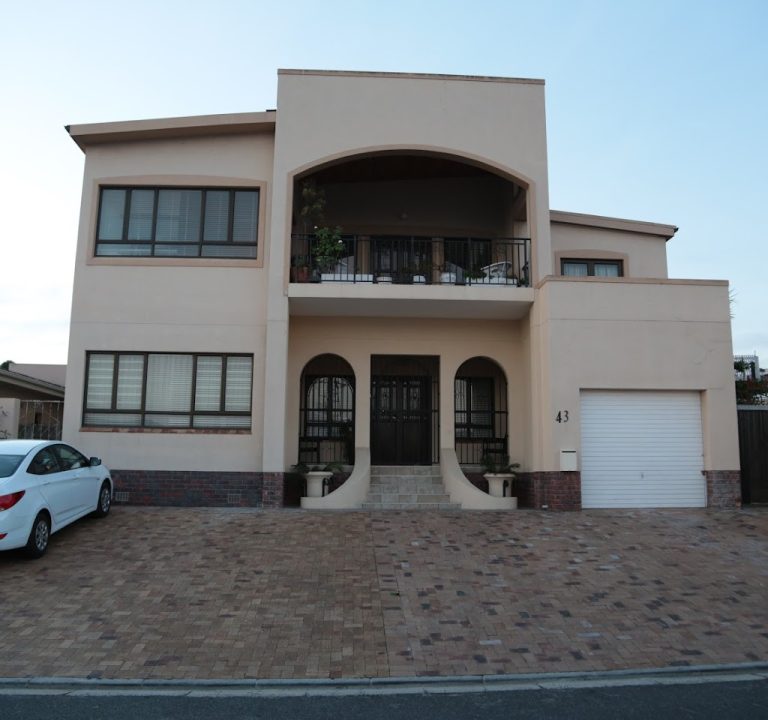
Cape Town sits at the edge of a striking coastline, framed by mountains and colourful neighbourhoods. For travellers seeking self-catering comfort, Tranquility offers a convenient base, while a wide range of options across the city’s buzzier districts can suit almost any length of stay. Planning well can maximise time for exploring, dining, and enjoying the natural scenery that makes Cape Town so memorable.
When choosing where to stay, consider the kind of experience you want. The Mother City is a patchwork of areas, each with its own character. The City Centre and the V&A Waterfront are convenient for shopping, nightlife, and easy access to tours, but they can be busier and pricier. The Atlantic Seaboard, including Camps Bay and Clifton, offers stunning sea views and a laid-back beach vibe, often at a premium. The City Bowl districts, such as Tamboerskloof and Gardens, provide proximity to daily essentials, cafes, and a more residential atmosphere. Constantia and the southern suburbs are ideal for leafy, quieter stays with easy day trips to wine farms and hiking trails. For a self-catering setup, look for properties with well-equipped kitchens, enough space for flexible living, reliable Wi‑Fi, and convenient access to transport links.
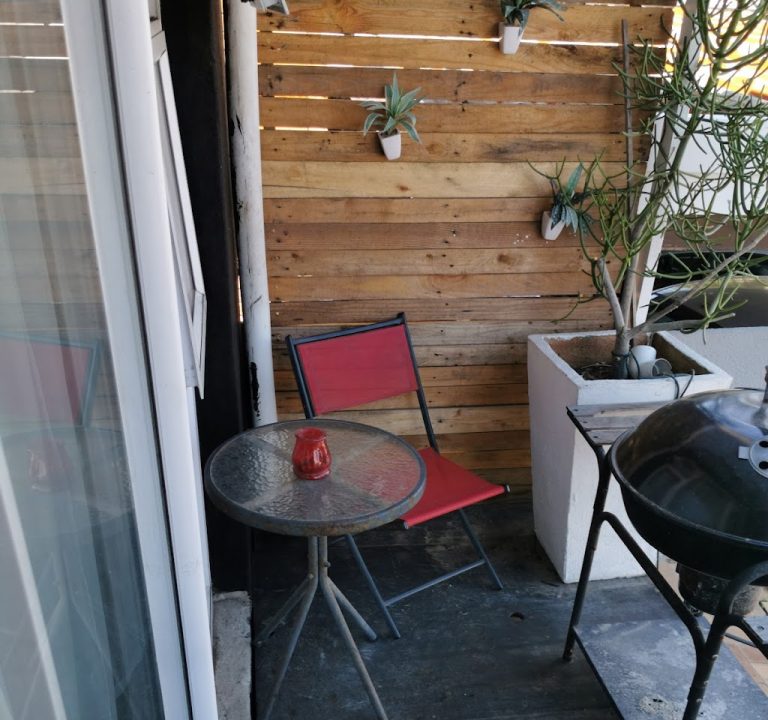
Typical amenities to expect in self-catering accommodation include a fully equipped kitchen, a comfortable living area, and flexible sleeping arrangements. Many properties offer private parking or on-site parking, which is a practical consideration in busier neighbourhoods. Laundry facilities, such as in-unit washing machines or on-site laundries, can save time on longer visits. For families or groups, generous living space, multiple bedrooms, and outdoor areas like balconies or courtyards add real value. Check for secure building access, good lighting, and the presence of essential items such as hairdryers, ironing facilities, and adequate heating or cooling. In a coastal climate, air conditioning may be a welcome comfort for hot summer days and humid nights.
Transport is a key planning factor. Cape Town has a light tourist footprint on its roads, but traffic can be heavy in peak hours, especially around the central areas and along popular routes to the Atlantic Seaboard. If you’re staying outside the city centre, consider a rental car for freedom to explore the surrounding coastline and wine routes. For shorter hops, Uber and similar ride-hailing services are widely available, and many guesthouses provide insider tips on safe and reliable local transport. Proximity to a MyCiTi bus stop or main roads can save time if you prefer public transport. When planning day trips, the thinking often revolves around accessibility to Table Mountain, the Cape Peninsula, and the Cape Winelands, all of which offer iconic scenery and accessible trails with proper viewpoints and safety considerations.
The best time to visit Cape Town depends on what you want from your trip. Summer (December to February) brings long days, beach-friendly weather, and a lively social scene, though it can be crowded and more expensive. Autumn (March to May) offers milder temperatures and a calmer pace, ideal for exploring gardens and historic sites. Winter (June to August) can be cooler and windy, with opportunities to enjoy museum collections, indoor galleries, and wine-tasting in pleasant, cosy settings. Spring (September to November) showcases blooming flora and a fresh, vibrant atmosphere. Regardless of season, it’s wise to plan outdoor activities in the early morning or late afternoon to avoid the strongest sun and crowds, particularly near popular viewpoints and coastal paths.
What to look for when booking a self-catering property in Cape Town? The following quick guide can help you secure a comfortable stay and good value.
- Location alignment with your plans: proximity to the attractions you want to visit, whether it’s a coastline stroll, a mountain hike, or city sights.
- Kitchen practicality: a well-equipped workspace, decent cookware, and reliable appliances for casual meals or longer stays.
- Guest reviews and host communication: clear details about access, check-in, cleaning schedules, and responsiveness to questions.
- Safety and security: secure entry systems, well-lit surroundings, and a neighbourhood you feel comfortable walking in after dark.
- Access to outdoor spaces: a balcony, courtyard, or garden can make a big difference for relaxation after a day of sightseeing.
Food and dining are integral to the Cape Town experience. While many visitors favour day trips to nearby restaurants that showcase local produce and seafood, staying in a self-catering setup makes it easy to prepare meals inspired by South African flavours. Markets, farmers’ stalls, and neighbourhood delis provide fresh ingredients to experiment with, or you can dine out at mid-range to fine eateries that offer modern takes on traditional dishes. In general terms, you’ll encounter menus featuring seafood, braai-inspired options, and a mix of cosmopolitan and ethnic influences. If you plan to eat out, allow time for reservations in peak periods and be prepared for a range of prices depending on location and ambience.
Practical tips to maximise your stay include stocking up on essentials before peak traffic times, keeping a record of directions to major sights, and planning a flexible itinerary that allows for spontaneous discoveries—such as a sunset viewpoint, a local coffee shop, or a short coastal walk. Pack a light jacket for seaside winds and comfortable walking shoes for uneven pavements and hillier routes. If you’re visiting with family, confirm bedding configurations and child-friendly amenities in advance. And remember to review the terms of any self-catering property regarding housekeeping, linen changes, and waste disposal so your stay remains smooth from arrival to departure.
With a thoughtful choice of accommodation, a plan for routes and timings, and a willingness to explore, a stay in Cape Town can be a balanced blend of restful downtime and active discovery. From the comfort of a well-appointed self-catering property such as Tranquility to the varied dining and sightseeing experiences across the city, there is a wealth of options to suit different tastes and budgets. For more ideas and inspiration, you can visit local tourism pages or pairing a stay with carefully chosen day trips to vineyards, nature reserves, and iconic viewpoints.