Accommodation and experiences in Cape Town: planning your stay and what to enjoy
Cape Town offers a diverse range of places to stay, from intimate B&Bs and historic guesthouses to contemporary hotels and self‑catering apartments. When planning a visit, think about the neighbourhoods that best suit your interests, the rhythm of your days, and how you want to move around the city. Staying in a compact yet well‑connected area can minimise transit time while maximising time spent exploring the city’s sights, food, and culture.
Popular areas to consider include the City Centre and Bo-Kaap for easy access to museums, markets and a vibrant urban scene; the Atlantic Seaboard towns such as Camps Bay and Clifton for beaches and sunset views; and the Constantia Valley or Newlands for leafy tranquillity and easy access to wine farms. For a more up‑and‑coming vibe with creative spaces and excellent dining, Woodstock and Observatory offer characterful lodging with a neighbourhood flavour. If you prefer a self‑contained stay, many guesthouses and boutique hotels in these areas provide generous breakfasts and thoughtful extras to help you settle in quickly.
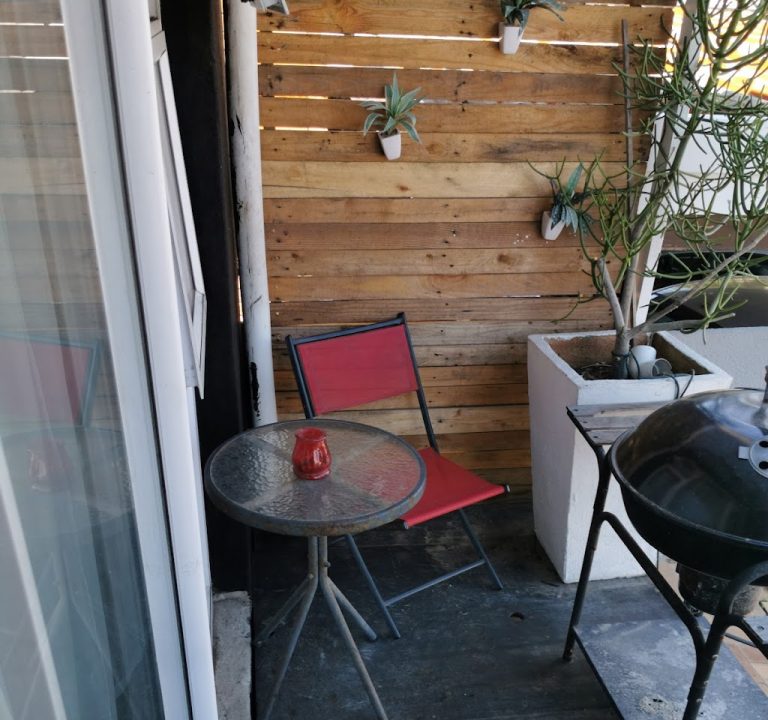
Beaucap B&B represents one of many indoor lodging options in Cape Town. While each property has its own character, common features you can expect include comfortable beds, private or en‑suite bathrooms, and a personalised touch that helps guests feel at home. When booking, look for clear photos, a detailed description of rooms and facilities, and a transparent note of what is included in the rate, such as breakfast, parking, or Wi‑Fi. A well‑run B&B often prioritises guest safety, hygiene, and hospitality, with hosts who can offer insider tips on where to eat and what to see.
Key amenities to look for include reliable Wi‑Fi, secure parking or easy access to public transport, daily housekeeping, and flexible check‑in/check‑out procedures. If you are travelling with family or a group, check the size of the rooms, accessibility features, and whether the property can arrange private transfers or guided day trips. For longer stays, self‑catering facilities or a communal kitchen can be a practical plus, allowing you to prepare meals at your own pace or enjoy a shopping day in nearby markets.
Transport in Cape Town is part of the experience. Many hotels and guesthouses offer airport or city transfers, while Uber and other ride‑hailing apps provide convenient, flexible options for getting around. If you plan to explore beyond the city centre, you might want to rent a car for part of your stay. For shorter hops, many lodgings are within walking distance of restaurants, coffee shops, and scenic viewpoints, with reliable taxi services available as needed.
The best time to visit Cape Town depends on what you want from your trip. The summer months (roughly December to February) are popular for beaches and outdoor activities, though higher crowds and daylight saving can influence prices. Autumn (March to May) and spring (September to November) offer mild weather, less intense heat, and excellent conditions for hiking and sightseeing. Winter (June to August) brings cooler weather and the possibility of rain, but it remains a great time to visit for fewer crowds and indoor experiences such as museums, galleries and excellent dining. Regardless of when you go, plan ahead for popular attractions and consider booking some experiences or table reservations well in advance during peak periods.
When it comes to attractions and experiences, you’ll find a mix of natural beauty and cultural discovery. Iconic sights include a dramatic coastline with ocean views, opportunities to explore nearby nature reserves, and vantage points above city streets. Visitors can combine scenic drives along the coast with short walks to viewpoints, markets, and family‑friendly activities. For those who enjoy food and drink, Cape Town’s restaurant scene ranges from casual eateries serving fresh seafood and bistro staples to more refined experiences in stylish settings. You may also encounter seasonal tasting menus and regional ingredients that showcase South Africa’s culinary creativity, without committing to fixed prices or packages in advance.
Practical planning tips to help you make the most of your stay:
- Ask hosts or reception for local transport tips, safe walking routes, and recommended day trips.
- Check cancellation terms and whether breakfast is continental or full, since menus and service styles vary by property.
- Pack layered clothing and comfortable walking shoes; coastal winds can be cool even on sunny days.
- Book a few must‑see experiences early, especially in peak season, while leaving some days open for spontaneous discoveries.
- Consider a mix of accommodation styles if your trip spans different neighbourhoods, to capture the variety of Cape Town’s atmosphere.
When you arrive, take time to acclimatise to the city’s climate and pace. A well‑chosen base can streamline your days, letting you enjoy long mornings at markets or cafés, afternoons exploring historic streets, and evenings that culminate in a sunset view over the Atlantic. Cape Town rewards travellers who blend careful planning with a sense of curiosity, inviting you to return and discover more with each visit.